
Introduction
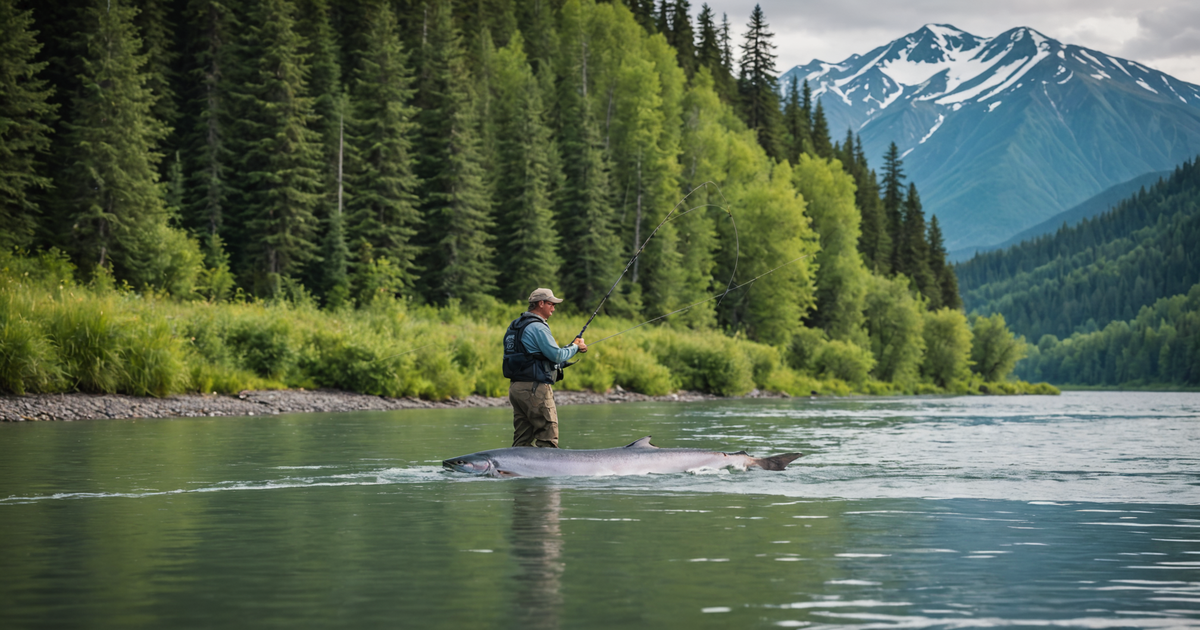
Alaska is renowned for its stunning landscapes and abundant wildlife, and its waters teem with some of the world’s most sought-after fish species. Among these, salmon holds a special place, not just as a staple of Alaskan cuisine but also as a favourite target for sport fishing enthusiasts. In this article, we will explore the five types of salmon found in Alaska, providing insights into their unique characteristics and the best ways to fish for them. Whether you’re a seasoned angler or planning your first Alaska fishing adventure, understanding these salmon species will enrich your experience and increase your chances of a successful catch. For more detail, see official guidance.
King Salmon (Chinook)
King Salmon, also known as Chinook, is the largest and most prized of all the Pacific salmon species. With a potential weight of over 50 kilograms, they are a formidable challenge for anglers. King Salmon are identifiable by their blue-green backs, silvery sides, and black spots on both the back and tail. Their flesh ranges in colour from white to a deep red, renowned for its rich flavour and high oil content. For more detail, see further information.
The King Salmon’s peak season in Alaska typically runs from May to July, with popular fishing spots including the Kenai River and the waters around Southeast Alaska. Fishing charters often recommend using large spoons, plugs, and herring as bait to attract these giants. For more detail, see detailed advice.
Sockeye Salmon (Red Salmon)
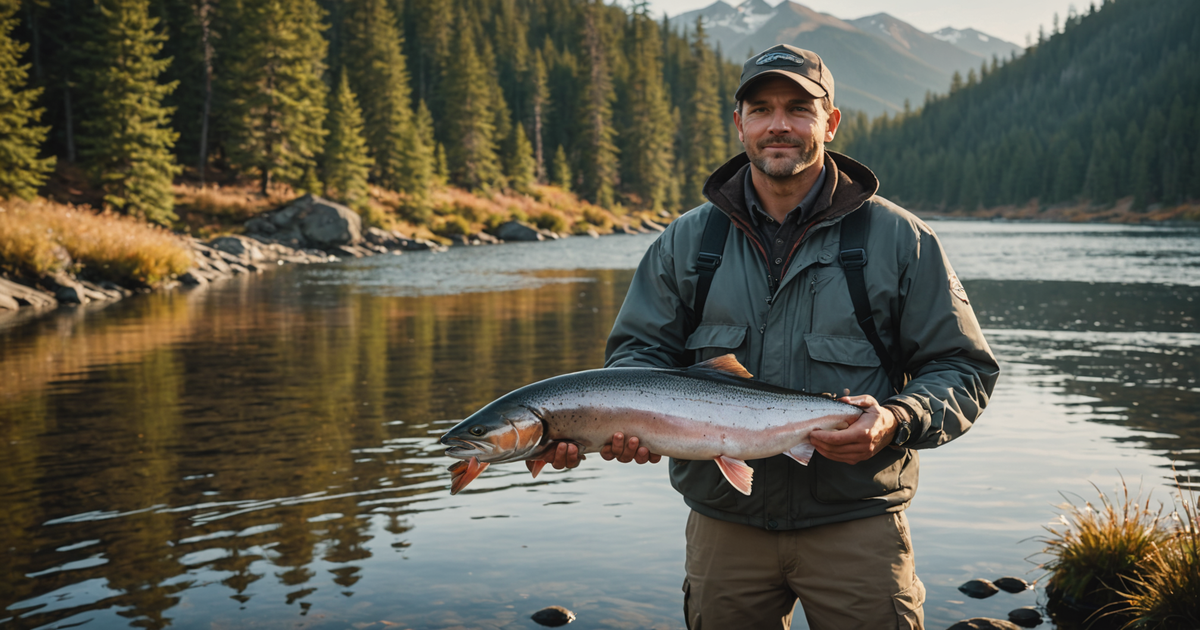
Sockeye Salmon, commonly referred to as Red Salmon, are known for their vibrant red flesh, which is highly valued for its firm texture and excellent taste. These salmon are usually smaller than Kings, averaging between 2 to 4 kilograms. Sockeye Salmon are distinguished by their bright red bodies and green heads during spawning season. For more detail, see planning resources.
Their migration to freshwater rivers occurs from late June to early August, and they are abundant in areas like Bristol Bay and the Copper River. Anglers often use flies and small lures to catch Sockeye, as they are less inclined to strike traditional bait. For more detail, see local insights.
Coho Salmon (Silver Salmon)
Coho Salmon, or Silver Salmon, are celebrated for their agility and fighting spirit. Weighing between 2.5 to 7 kilograms, they provide an exhilarating challenge for those who seek them out. Cohos have silver sides and dark metallic blue backs with small black spots.
Their run typically begins in late July and lasts through November in regions such as the Kenai Peninsula and Prince William Sound. Fly fishing is particularly effective for Coho, with streamers and bright-coloured flies being popular choices.
Pink Salmon (Humpies)
Pink Salmon, or Humpies, are the smallest of the Alaskan salmon species, averaging about 1.5 to 2.5 kilograms. They are named for the distinctive hump that males develop on their backs during spawning. Despite their smaller size, Pink Salmon are incredibly abundant, making them an excellent target for novice anglers.
Their run occurs biennially on odd-numbered years, with large numbers appearing in July and August. They can be found in coastal streams and rivers across Alaska. Light tackle and small lures work effectively when fishing for Pink Salmon, making them accessible to all skill levels.
Chum Salmon (Dog Salmon)
Chum Salmon, also known as Dog Salmon, are recognised for their unique colouration, which includes vertical bars of reddish-purple during spawning. They average between 4 to 7 kilograms and are celebrated for their roe, used in caviar production.
Chum runs occur from June to September, with significant populations in the Yukon and Kuskokwim Rivers. While they may not be as popular as other species for their meat, Chum Salmon are an integral part of Alaskan ecosystems and cultural traditions. Anglers often use spinners and jigs to catch them.
Conclusion
Fishing for salmon in Alaska is not merely a pastime; it’s an immersion into the state’s rich natural heritage and a test of one’s angling skills. Understanding the five types of salmon in Alaska—King, Sockeye, Coho, Pink, and Chum—can enhance your fishing experience, whether you’re pursuing the mighty King or enjoying the abundance of Pink Salmon. For those planning a trip, consulting with local fishing guides can provide valuable insights and increase your chances of success.
FAQ
What are the best months to fish for salmon in Alaska?
The peak months vary by species: King Salmon from May to July, Sockeye from late June to early August, Coho from late July to November, Pink during odd-numbered years in July and August, and Chum from June to September.
Do I need a special permit to fish for salmon in Alaska?
Yes, a fishing licence is required to fish for salmon in Alaska. You can purchase one through the Alaska Department of Fish and Game.
What is the best tackle for salmon fishing in Alaska?
The best tackle depends on the salmon species. For King Salmon, large spoons and herring are effective, while flies and small lures work well for Sockeye and Coho. Light tackle is suitable for Pink Salmon, and spinners are recommended for Chum.
Can I fish for salmon year-round in Alaska?
Salmon fishing is seasonal, with specific runs occurring at different times of the year. However, some fishing opportunities are available year-round for other species in Alaska.
Where are the best places to fish for salmon in Alaska?
Popular locations include the Kenai River, Bristol Bay, Copper River, and Prince William Sound. Each area offers unique opportunities depending on the salmon species.
Are there guided fishing tours in Alaska?
Yes, many guided fishing tours are available, providing equipment, expertise, and local knowledge to enhance your fishing experience.
What should I wear when fishing in Alaska?
Dress in layers and prepare for variable weather conditions. Waterproof gear and sturdy boots are essential, as well as polarised sunglasses to reduce glare on the water.
How can I ensure a sustainable fishing experience in Alaska?
Follow local regulations, practice catch and release when appropriate, and respect the natural environment to help maintain Alaska’s pristine ecosystems for future generations. For more tips, visit Leave No Trace.