
Walleye Jig Fishing Tips That Actually Work
Walleye jig fishing is a time-honoured technique that delivers results, whether you’re a novice angler or a seasoned professional. Known for their elusive nature and delectable taste, walleyes are a prized catch in many freshwater bodies. This guide will delve into actionable tips and insights to enhance your jig fishing experience, focusing on gear selection, technique refinement, and strategic location choices.
Understanding the Walleye: A Quick Overview
Walleyes are nocturnal predators, making them more active during low-light conditions such as dawn, dusk, and overcast days. Understanding their behaviour is crucial to successful fishing. They typically inhabit deep, cool waters during the day and move to shallower areas as the light dims.
Selecting the Right Jig
Choosing the right jig is fundamental to walleye fishing success. Jigs come in various shapes, sizes, and colours, each designed for specific conditions.
Jig Weight and Shape
The weight of the jig should correspond to the depth of water and current strength. Heavier jigs are suitable for deeper waters and strong currents, while lighter jigs work best in shallow waters. A ball-shaped jig is versatile, but consider using a flat-head jig for gliding action in calm conditions.
Colour Selection
Walleyes have excellent vision in low-light conditions. Fluorescent colours like chartreuse and orange are effective in murky waters, while natural colours like silver and white work well in clear conditions. Experiment with different colours to determine what appeals most to the walleyes in your area.
Perfecting Your Technique
Jigging Motion
A successful jigging motion mimics the natural movement of prey. Use a lift-fall technique by lifting the rod tip to move the jig and then allowing it to fall naturally. This motion should be subtle, as walleyes are notorious for their light bite.
Retrieve Speed
Adjust your retrieve speed based on water temperature and fish activity. In colder waters, slow down your retrieve to match the sluggishness of fish, whereas in warmer waters, a more rapid retrieve can entice active walleyes.
Seasonal Adjustments
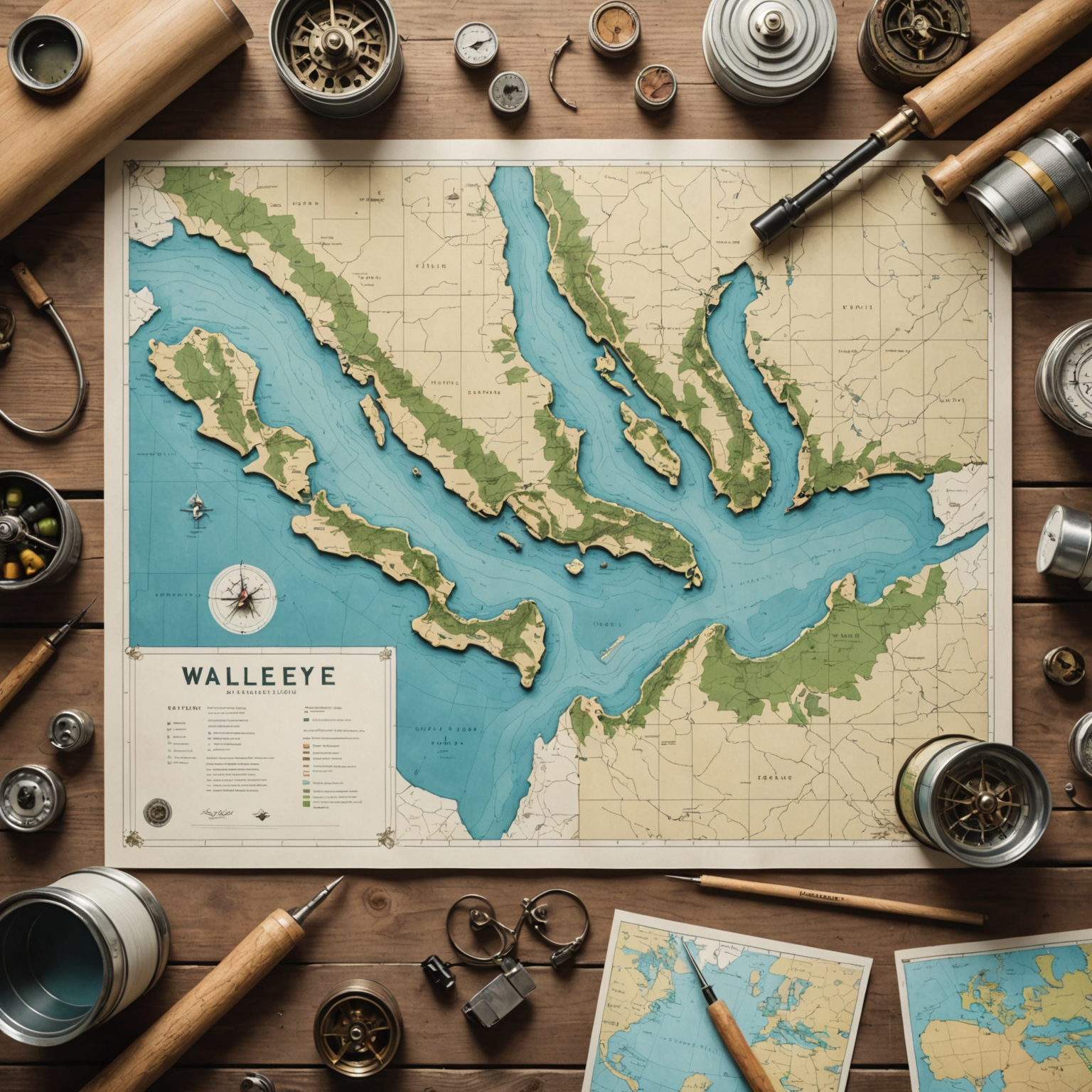
The time of year significantly affects walleye behaviour. In spring, walleyes are often found in shallow waters, making lighter jigs ideal. During summer, as they retreat to deeper waters, switch to heavier jigs. In autumn, walleyes become more aggressive, allowing for faster retrieves and vibrant jig colours.
Choosing the Right Location
Targeting Structures
Walleyes often congregate around structures such as drop-offs, weed beds, and rocky points. These areas provide cover and abundant prey. Use depth finders to locate these hot spots and position your boat accordingly.
Understanding Currents
Walleyes frequently use currents to their advantage, positioning themselves to ambush prey. Fishing near the edges of currents or eddies can be particularly effective.
Essential Gear and Equipment
Beyond jigs, ensure your gear is up to the task. A medium-action rod with a sensitive tip is ideal for detecting light bites. Use a braided line with a fluorocarbon leader to maximise sensitivity and minimise visibility.
Conclusion
Mastering walleye jig fishing involves understanding the fish’s behaviour, selecting the right jig, and refining your technique. By following these tips and continuously adapting your approach based on conditions, you’ll increase your chances of landing these elusive fish. For more in-depth fishing strategies, explore our articles.
FAQ
What is the best time of day to fish for walleye?
The best times are typically early morning and late evening, as walleyes are more active in low-light conditions. Overcast days can also be productive.
How do I choose the right jig weight for walleye fishing?
Select jig weight based on the water depth and current strength. Heavier jigs are better for deep waters and strong currents, while lighter jigs are suitable for shallow, calm waters.
Can I use live bait with a jig for walleye?
Yes, tipping your jig with live bait like minnows, leeches, or nightcrawlers can increase your chances of attracting a walleye.
What type of rod is best for walleye jig fishing?
A medium-action rod with a sensitive tip is ideal. It provides the sensitivity to detect light bites and the strength to set the hook effectively.
How important is colour when choosing a jig?
Colour can be critical, especially in murky waters. Bright colours like chartreuse and orange are more visible in such conditions, while natural colours are better for clear waters.
Are there specific structures I should target when walleye fishing?
Yes, structures like drop-offs, weed beds, and rocky points are excellent spots as they offer cover and food for walleyes.
How can I improve my jigging technique?
Practicing the lift-fall motion and adjusting your retrieve speed based on water temperature and fish behaviour can significantly enhance your jigging technique.
Where can I learn more about fishing techniques?
You can explore our articles for more detailed fishing strategies and tips. For further assistance, feel free to contact us.