
Introduction
Fishing enthusiasts know that having the right gear can make all the difference between a successful day on the water and one that ends in frustration. Among the myriad of fishing tackle options, jig head fishing lures have emerged as a favourite for anglers looking to outfish traditional bait. With their versatility and effectiveness across various fishing conditions, jig head lures are a must-have in any angler’s tackle box. In this comprehensive guide, we’ll explore why jig head fishing lures are superior, how to choose the best ones, and tips for using them effectively. For more detail, see official guidance.
Why Jig Head Fishing Lures Outperform Bait
Versatility and Adaptability. For more detail, see further information.
Jig head fishing lures are renowned for their versatility. They can be used in both freshwater and saltwater environments, making them ideal for anglers who enjoy a variety of fishing experiences. Whether you’re targeting bass in a lake or salmon in the open sea, jig heads can be adapted to suit the conditions. They are particularly effective in Alaska, where diverse fishing opportunities abound. For a detailed guide on fishing destinations in Alaska, check out Alaska Adventure Guides Destinations. For more detail, see detailed advice.
Enhanced Lure Action. For more detail, see planning resources.
The design of jig head lures allows for enhanced lure action, which can mimic the natural movement of prey more effectively than traditional bait. This realistic motion is particularly enticing to fish, increasing your chances of a successful catch. The jig head’s unique shape creates a lifelike swimming action that can attract even the most cautious fish. For more detail, see local insights.
Cost-Effectiveness
Unlike live bait, which needs to be replaced regularly, jig head lures are reusable, making them a cost-effective option for frequent anglers. Investing in a quality set of jig heads can save money over time, especially if you’re embarking on trips like those offered by Alaska Adventure Guides.

Choosing the Right Jig Head Lures
Material and Design
When selecting jig head fishing lures, consider the material and design. Lead is a common choice due to its weight and malleability, but environmentally conscious anglers might prefer alternatives like tungsten. The design should also match the type of fish you’re targeting. For instance, a larger jig head may be more effective for catching bigger species like halibut, popular in Alaska’s trophy fishing spots.
Size and Colour
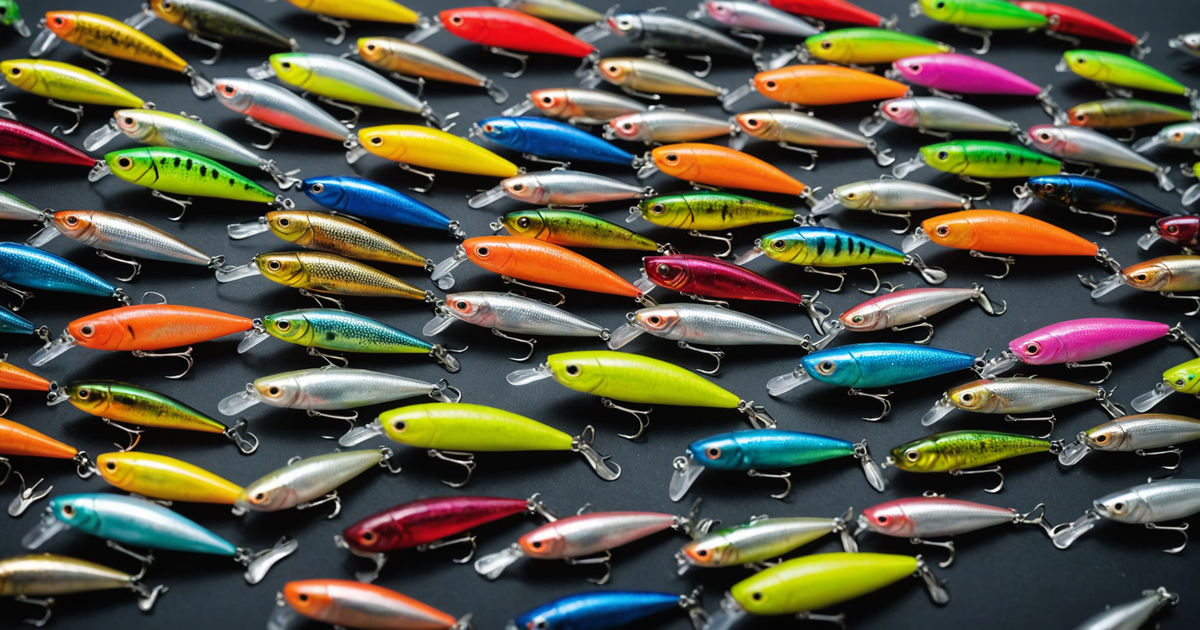
The size and colour of your jig head lures can significantly impact their effectiveness. Smaller jig heads are suitable for light fishing in shallow waters, while larger ones are better for deep-sea fishing. The colour should mimic the prey in the fishing environment; for example, bright colours are more visible in murky waters.
Hook Quality
The hook is a crucial component of the jig head lure. Ensure that the hook is sharp and strong enough to handle the target species. Stainless steel hooks are recommended for their durability and resistance to corrosion, especially in saltwater conditions.
Techniques to Maximise Your Jig Head Lures
Casting and Retrieval
A successful technique for using jig head lures is mastering the casting and retrieval process. Cast your lure in the desired direction and allow it to sink to the appropriate depth. Then, use a steady, rhythmic retrieval to mimic the movement of live prey. Varying the speed and direction can also help in attracting fish.
Jigging Technique
The jigging technique involves a series of short, vertical motions with the rod to make the lure move erratically in the water. This technique can be particularly effective in enticing predators to strike. Jigging can be adapted based on the current and depth, making it a versatile method for different fishing conditions.
Seasonal Considerations
Consider the season and water temperature when using jig head lures. Fish behaviour changes with the seasons, and understanding these patterns can enhance your fishing success. For more insights on seasonal fishing opportunities, visit Alaska Adventure Guides’ Angling Tips.
Conclusion
Jig head fishing lures offer a dynamic and effective alternative to traditional bait, with their versatility, cost-effectiveness, and superior lure action making them a preferred choice for anglers. By choosing the right jig head lures and mastering various techniques, you can significantly increase your chances of a successful fishing trip. Whether you’re a seasoned angler or a beginner, incorporating jig heads into your fishing strategy could transform your angling experience.
FAQ
What are jig head fishing lures?
Jig head fishing lures are a type of artificial lure designed to mimic the movement of live prey, used in both freshwater and saltwater fishing.
How do I choose the right jig head for my fishing trip?
Consider the fish species, water conditions, and environmental factors when choosing the size, colour, and material of your jig head lures.
Are jig head lures better than bait?
Jig head lures can be more effective than bait due to their versatility, cost-effectiveness, and ability to mimic prey movements realistically.
Can I use jig head lures in saltwater?
Yes, jig head lures are suitable for saltwater fishing. Ensure that the material, particularly the hook, is corrosion-resistant.
What is the best technique for using jig head lures?
The best technique depends on the fishing conditions. Casting and retrieval, as well as jigging, are popular methods.
Where can I learn more about fishing in Alaska?
For comprehensive guides and tours in Alaska, visit Alaska Adventure Guides.
Are there specific regulations for using jig head lures in Alaska?
Yes, always check the Alaska Department of Fish and Game for the latest regulations and guidelines.
Can jig head lures be used year-round?
Yes, jig head lures can be used year-round. Adjust the size, colour, and technique based on seasonal fish behaviour and environmental conditions.