

Best Jigs for Halibut in Deep Water. For more detail, see official guidance.
Deep-sea fishing for halibut is a thrilling experience that combines the serenity of open water and the anticipation of a big catch. Halibut, with their notable size and taste, are highly sought after. However, successfully catching halibut, especially in deep waters, requires the right tactics and equipment. Among the most essential pieces of gear is choosing the best jig for halibut. In this comprehensive guide, we will explore the top jigs for deep-water halibut fishing, ensuring you’re well-prepared for your next Alaskan adventure. For more detail, see further information.
Understanding Halibut Behaviour
To effectively choose the right jig, it’s crucial to understand halibut behaviour. These flatfish typically dwell on the ocean floor, often at depths ranging from 50 to 200 metres. They are ambush predators, lying in wait for prey to pass by. This behaviour necessitates a jig that can reach the depths and attract attention despite strong currents. For more detail, see detailed advice.
Characteristics of Effective Halibut Jigs
Selecting the appropriate jig involves considering several factors, including weight, colour, and action. Here are some key characteristics to consider:. For more detail, see planning resources.
Weight. For more detail, see local insights.
The jig must be heavy enough to sink quickly and reach the ocean floor. A weight of 200 to 600 grams is typically ideal, depending on the depth and current strength. Heavier jigs are better suited for deeper waters and strong currents, ensuring they remain close to the seabed where halibut are found.
Colour and Visibility
Halibut are attracted to bright colours that stand out in the deep, murky waters. Colours like white, chartreuse, and glow-in-the-dark are highly effective in drawing the attention of these fish.
Action and Movement
The jig’s design should mimic the movement of prey to entice halibut. Jigs with erratic movements or those that flutter as they sink can trigger predatory instincts.
Top Jigs for Deep-Water Halibut Fishing
1. Butterfly Jigs
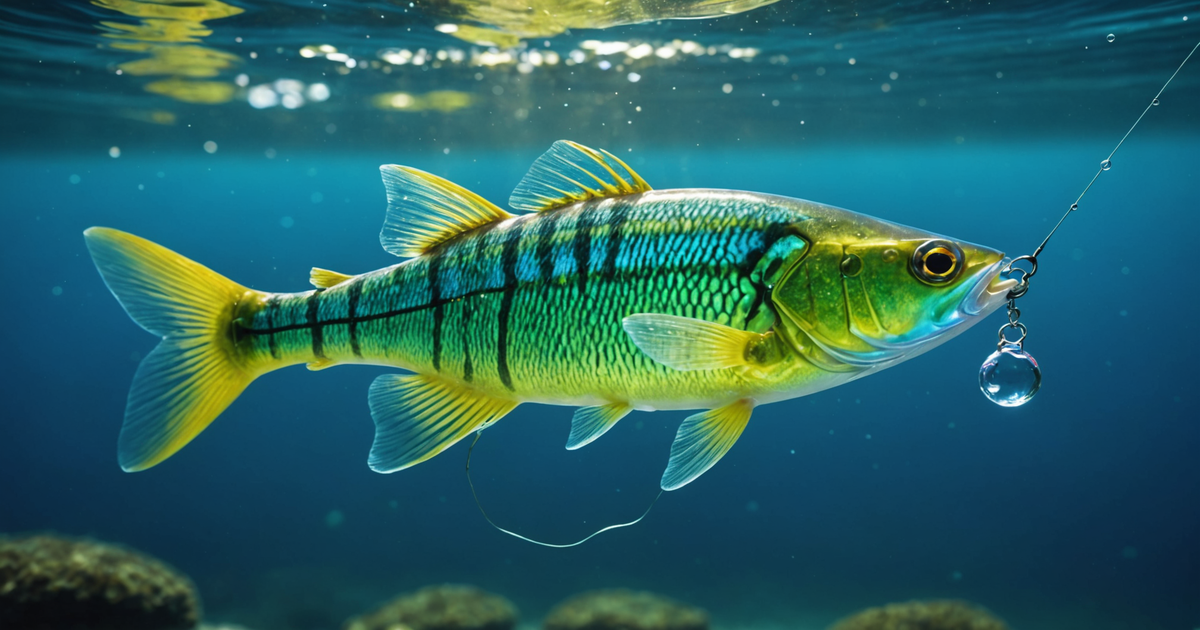
Butterfly jigs are popular for their unique action, which mimics the erratic movement of injured fish. Their slender, asymmetrical design creates a fluttering descent, making them irresistible to halibut. Available in various weights and colours, they are versatile enough for different conditions.
2. Diamond Jigs
Diamond jigs are a staple for many anglers due to their simplicity and effectiveness. Their symmetrical shape allows them to sink rapidly, making them ideal for deep-water fishing. The reflective surface of diamond jigs enhances visibility, even in low-light conditions.
3. Octopus Jigs
Octopus jigs feature tentacle-like extensions that create additional movement and vibration. This design is particularly effective in attracting halibut by simulating the movement of a squid or octopus, both of which are natural prey for halibut.
4. Glow Jigs
Glow jigs are specifically designed to be visible in the darker depths. These jigs absorb light and emit a glow that can entice halibut from afar. They are especially useful during overcast days or in murky waters.
Techniques for Using Halibut Jigs
Drifting
Drifting is a common technique where the boat moves with the current, allowing the jig to cover more ground. This method increases the chances of encountering halibut and can be particularly effective in areas with varying depths.
Jigging
Jigging involves a rhythmic lifting and dropping of the rod tip to impart action to the jig. This method can simulate the movement of prey and provoke a strike from a curious or hungry halibut.
Trolling
While trolling is less common for halibut, it can be effective in certain conditions. By slowly dragging the jig behind a moving boat, anglers can cover large areas and increase their catch potential.
Conclusion
Choosing the best jig for halibut is a crucial step in ensuring a successful deep-water fishing experience. By considering factors such as weight, colour, and action, and employing effective fishing techniques, you can significantly increase your chances of landing this prized catch. For more insights on fishing and outdoor adventures, explore our guided salmon fishing in Alaska or check out our fishing techniques for a broader understanding of angling in Alaskan waters.
FAQ
What is the best time to catch halibut in Alaska?
The optimal time for halibut fishing in Alaska is from May to September. For more details on seasonal fishing, visit best time to catch halibut in Alaska.
How deep should I fish for halibut?
Halibut are typically found at depths between 50 and 200 metres, though they can inhabit shallower or deeper waters depending on conditions.
Are there any regulations I should be aware of?
Yes, it’s essential to be familiar with Alaska’s fishing regulations to ensure compliance and conservation.
Why do halibut prefer deep water?
Halibut prefer deep water as it provides a stable environment with ample prey and protection from predators.
What other equipment should I bring for halibut fishing?
In addition to jigs, consider bringing a sturdy rod, heavy line, and necessary safety gear. For detailed packing tips, check out planning your fishing trip.
Can I use the same jigs for other fish species?
Many halibut jigs can also attract species like cod, lingcod, and rockfish, making them versatile for deep-sea fishing.
What is the role of tides in halibut fishing?
Tides significantly impact halibut movement and feeding patterns. Fishing during slack tide can be more productive as it reduces current strength, allowing for better jig control.