
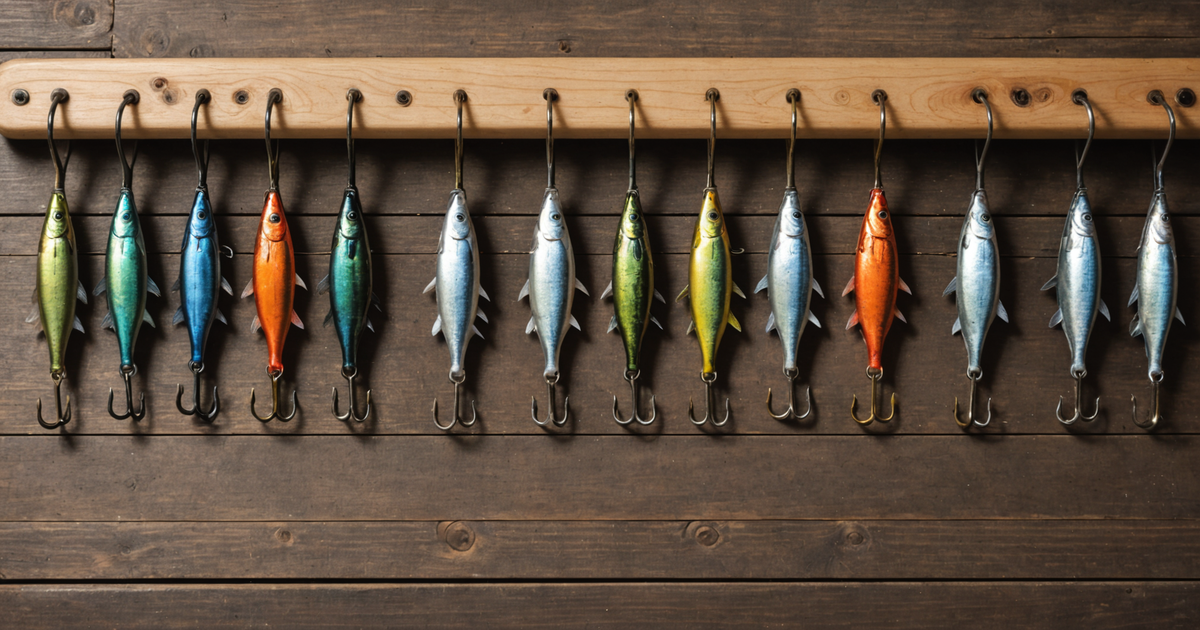
Fishing Hooks for Salmon: Pro Setups. For more detail, see official guidance.
Introduction
Fishing for salmon is a revered tradition in many parts of the world, particularly in regions blessed with natural waterways teeming with these majestic fish. Whether you’re an experienced angler or a novice eager to learn, understanding the right fishing hooks for salmon can significantly enhance your success rate. In this guide, we’ll explore the best setups and techniques to help you catch more salmon while enjoying the breathtaking beauty of nature. For more detail, see further information.
Choosing the Right Hooks for Salmon Fishing
Selecting the appropriate fishing hooks for salmon is crucial for a successful catch. Salmon are known for their strength and agility, so your choice of hook must be robust and well-suited to the fishing conditions. Here are some factors to consider:. For more detail, see detailed advice.
Hook Size and Type. For more detail, see planning resources.
The size of the hook you choose should correspond to the size of the salmon you aim to catch. Generally, sizes from 1/0 to 5/0 are ideal for salmon fishing. The most popular types of hooks among salmon anglers include:. For more detail, see local insights.
- Octopus Hooks: Known for their short shank and wide gape, octopus hooks are excellent for live bait presentations.
- Siwash Hooks: These hooks have a long shank and are often used when fishing with spoons or spinners.
- Circle Hooks: Favoured for catch and release, circle hooks are designed to hook the fish in the corner of the mouth, reducing injury.
Material and Coating
Hooks made from high-carbon steel are preferred due to their strength and durability. Additionally, some hooks come with coatings such as black nickel or chrome, which provide corrosion resistance and enhance longevity.
Proven Techniques for Salmon Fishing
Once you’ve chosen the right hooks, employing effective techniques is the next step in your salmon fishing journey. Here are some tried-and-tested methods:
Drift Fishing
Drift fishing involves letting your bait drift naturally with the current. This technique is particularly effective in rivers where salmon are migrating upstream. Use a sliding sinker rig to allow your bait to move freely and naturally.
Trolling
Trolling is a popular technique in larger bodies of water such as lakes and coastal areas. Using a downrigger or a diving planer, you can control the depth at which your lure travels, targeting salmon feeding at different levels.
Float Fishing
Float fishing, or bobber fishing, is ideal for targeting salmon in shallow waters or near the riverbank. Adjust the depth of your bait by changing the position of the float to keep your bait at the desired level.
For more detailed information on salmon fishing techniques, visit Sport Fishing in Alaska.
Essential Gear for Salmon Fishing
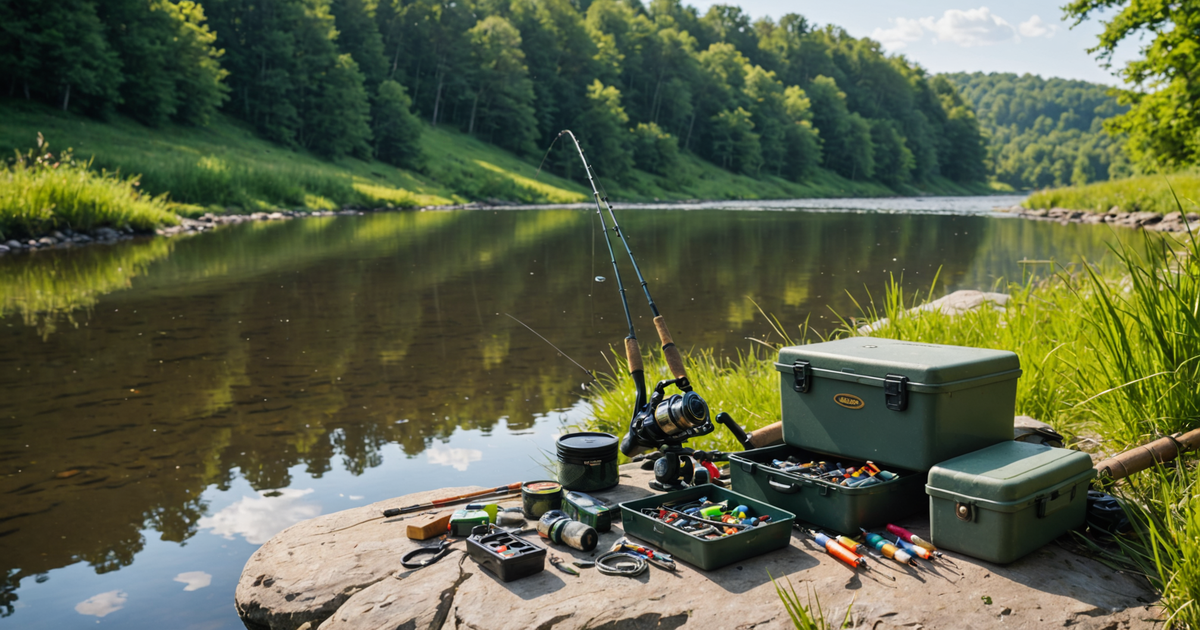
Aside from the hooks, having the right gear is crucial for a successful salmon fishing trip. Here’s a checklist of essential items:
Rod and Reel
Opt for a medium to heavy action rod paired with a strong reel capable of holding at least 150 yards of line. The reel should have a smooth drag system to handle the powerful runs of a hooked salmon.
Line
Braided line is highly recommended for its strength and sensitivity, allowing you to feel even the slightest bite. A fluorocarbon leader can be added to reduce visibility and increase abrasion resistance.
Bait and Lures
Common baits include roe, shrimp, and herring. For lures, consider spoons, spinners, and plugs that mimic the movement of prey fish. Check out Alaska Salmon Candy for popular tackle shop favourites.
Conservation and Ethical Fishing Practices
Fishing responsibly is essential to preserving salmon populations for future generations. Follow local regulations and practice catch and release when possible. For guidance on sustainable fishing practices, explore Sustainable Practices in Alaska.
Conclusion
Mastering the art of salmon fishing involves understanding the right setup, employing effective techniques, and practising ethical fishing. With the appropriate fishing hooks for salmon, and a well-prepared gear setup, you’re well on your way to a rewarding experience. Whether you’re on the Kenai Peninsula or exploring other Alaskan waterways, the thrill of landing a salmon is an unforgettable adventure.
For more tips and insights on planning your fishing trip, visit Travel Alaska’s Fishing Guide.
FAQ
What is the best hook size for salmon fishing?
Hook sizes from 1/0 to 5/0 are generally recommended for salmon fishing. The specific size may vary depending on the size of the salmon and the fishing conditions.
Can I use circle hooks for salmon fishing?
Yes, circle hooks are an excellent choice for salmon fishing, especially for catch and release, as they tend to hook the fish in the corner of the mouth.
What type of bait is most effective for salmon?
Common baits include roe, shrimp, and herring. The choice of bait may depend on the specific salmon species and local regulations.
How do I choose the right fishing rod for salmon?
A medium to heavy action rod is ideal for salmon fishing. Ensure the rod is sturdy enough to handle the powerful runs of a salmon.
What are some popular salmon fishing techniques?
Popular techniques include drift fishing, trolling, and float fishing. Each method is suitable for different environments and conditions.
Are there specific regulations for salmon fishing in Alaska?
Yes, fishing regulations vary by region and species. Always check the latest Alaska fishing regulations before your trip.
Why is conservation important in salmon fishing?
Conservation ensures the sustainability of salmon populations for future generations. Practising ethical fishing and following local regulations helps protect these vital ecosystems.
Where can I find more information on salmon fishing in Alaska?
For comprehensive guides and resources, visit Alaska Adventure Guides and NOAA’s Sport Fishing in Alaska.