
Introduction
Fishing for salmon is a cherished pastime, offering both the thrill of the catch and the promise of a delicious meal. However, success in salmon fishing often hinges on selecting the right hook. This guide will delve into the best hook sizes and styles for salmon, ensuring you are well-prepared for your next fishing adventure. Whether you’re navigating the pristine waters of Alaska or exploring other salmon-rich locales, understanding the nuances of hook selection can make all the difference. For more detail, see official guidance.
Understanding Hook Sizes for Salmon
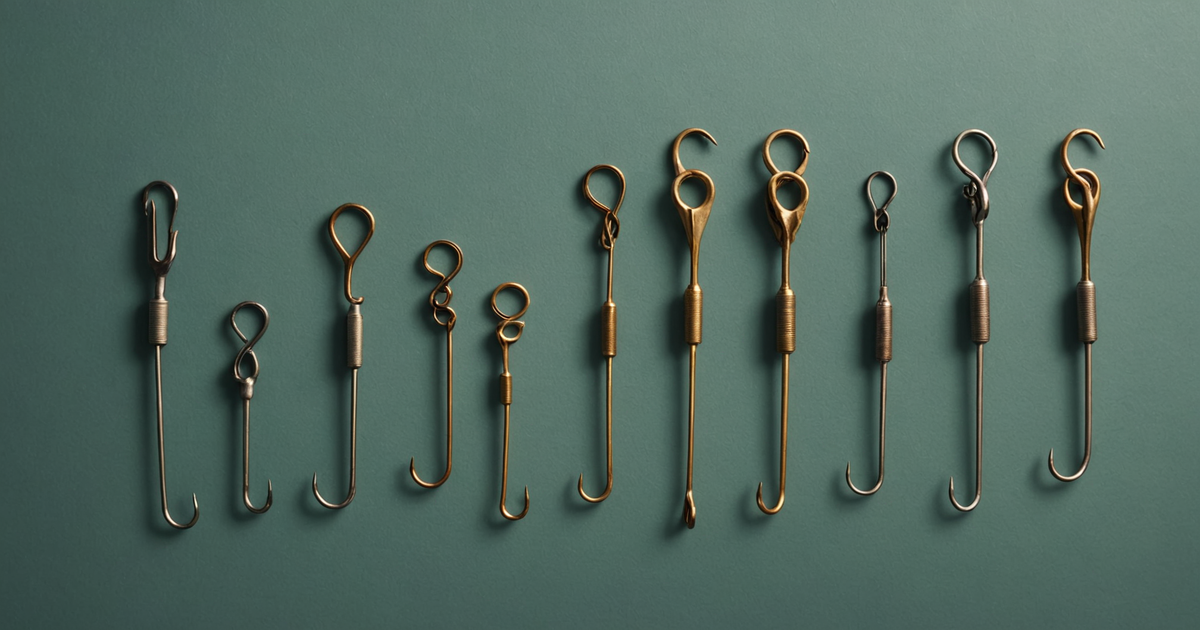
When it comes to selecting the right hook size for salmon, the decision largely depends on the type of salmon you are targeting and the fishing conditions. Salmon hooks are typically measured by numbers; smaller numbers represent larger hooks, while larger numbers indicate smaller hooks. Common sizes for salmon fishing range from size 1 to size 6/0. For more detail, see further information.
Small to Medium Hook Sizes. For more detail, see detailed advice.
For smaller salmon species, such as pink or coho salmon, anglers often opt for hook sizes ranging from 1 to 2/0. These sizes are ideal for delicate presentations and can effectively handle the lighter tackle often used in these scenarios. Medium-sized hooks, like 3/0 and 4/0, are versatile options suitable for larger coho or sockeye salmon. These hooks provide a balance between strength and subtlety, making them a favourite among many anglers. For more detail, see planning resources.
Large Hook Sizes. For more detail, see local insights.
For larger salmon species like Chinook (King) salmon, larger hooks such as 5/0 to 6/0 are recommended. These hooks provide the strength needed to secure these powerful fish, especially in strong currents or deeper waters. When targeting these larger fish, it’s crucial to ensure that your gear can support both the weight of the fish and the fight it will inevitably put up.
Exploring Hook Styles for Salmon
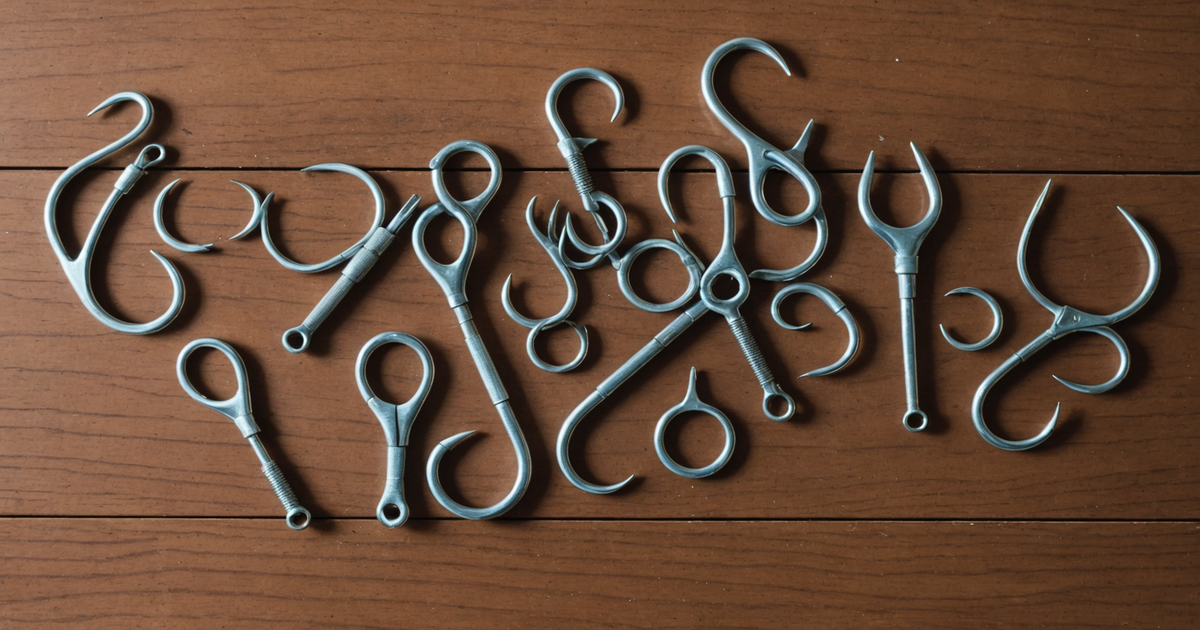
Apart from size, the style of the hook plays a critical role in successful salmon fishing. The right hook style can enhance your bait presentation, ensure a solid hook-up, and reduce the chances of losing the fish.
J Hook
The J hook is a classic choice, known for its versatility and effectiveness. It is a popular option for both bait and lure fishing. J hooks are designed to ensure the point penetrates easily, providing a reliable hook-up. They are particularly effective when using live bait, as they allow for natural movement, enticing salmon to strike.
Circle Hook
Circle hooks are increasingly popular due to their conservation benefits. These hooks are designed to hook fish in the corner of the mouth, reducing injury and making it easier to release the fish unharmed. This style is especially beneficial in catch-and-release scenarios, ensuring the sustainability of salmon populations. Furthermore, circle hooks are effective in preventing deep hooking, which can be detrimental to the fish’s health.
Treble Hook
Treble hooks feature three points and are often used in conjunction with lures. They offer multiple points of contact, increasing the likelihood of a successful hook-up, especially with aggressive fish. However, they can be more challenging to remove and may cause more damage to the fish, so it’s important to use them responsibly.
Choosing the Right Hook Material
When selecting hooks, the material is another essential factor to consider. Most salmon hooks are made from high-carbon steel, which offers strength and durability. Stainless steel hooks are also a good choice due to their corrosion resistance, especially in saltwater environments. Regardless of the material, always ensure that your hooks are sharp and well-maintained to maximise your chances of a successful catch.
Conclusion
Selecting the best hook size and style for salmon is a critical component of successful fishing. By understanding the differences between hook sizes and styles, you can tailor your approach to suit the specific conditions and species you’re targeting. Whether you’re a seasoned angler or a novice exploring guided salmon fishing in Alaska, making informed choices about your equipment will enhance your fishing experience. For more insights on salmon fishing techniques, consider exploring resources on how to fish with Brad’s Super Baits for salmon.
FAQ
What is the best hook size for Chinook salmon?
For Chinook salmon, larger hook sizes such as 5/0 to 6/0 are recommended due to their size and strength.
Are circle hooks better for catch-and-release fishing?
Yes, circle hooks are designed to hook fish in the mouth, reducing injury and making them ideal for catch-and-release fishing.
Can I use treble hooks for salmon fishing?
Treble hooks can be used, especially with lures, but they may cause more harm to the fish, so it’s important to handle them with care.
What material should I look for in salmon hooks?
High-carbon steel and stainless steel are excellent choices due to their strength and corrosion resistance.
Do hook sizes vary for different salmon species?
Yes, smaller salmon species require smaller hooks, while larger species like Chinook need larger hooks for effective fishing.
How often should I sharpen my hooks?
Regularly check your hooks for sharpness and sharpen them as needed, especially after catching fish or when fishing in rocky areas.
Is there a recommended hook style for beginners?
J hooks are versatile and easy to use, making them a great choice for beginners.
For further guidance on fishing setups, visit our comprehensive guide on fish jig head sizes and setups.
By selecting the appropriate hook size and style, you can significantly improve your chances of a successful and enjoyable salmon fishing experience.