
Introduction
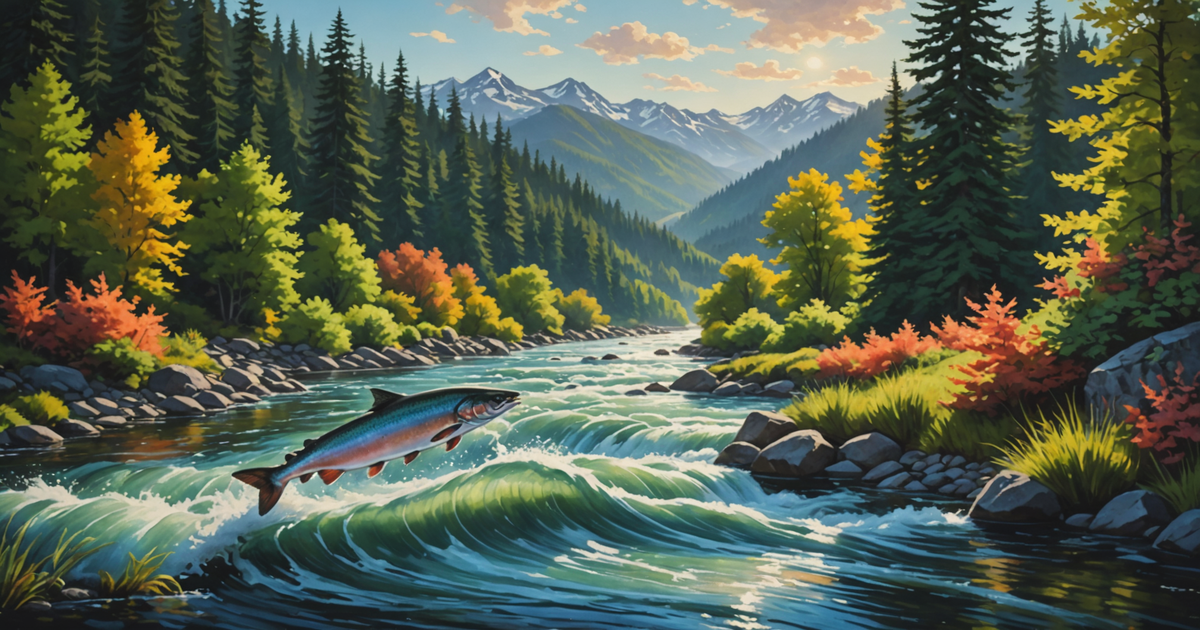
Alaska, known for its breathtaking landscapes and rich wildlife, is a premier destination for anglers and nature enthusiasts. One of the most anticipated natural events in this northern frontier is the salmon run. This annual spectacle attracts both locals and tourists eager to witness the sheer abundance of salmon navigating upstream to spawn. Understanding when the salmon run in Alaska is crucial for anyone planning a fishing trip or hoping to experience this natural phenomenon. This guide will provide detailed insights into the timing of salmon runs, peak months, river-specific schedules, and regional variations. For more detail, see official guidance.
The Five Species of Salmon in Alaska
Alaska is home to five species of Pacific salmon: King (Chinook), Sockeye (Red), Coho (Silver), Pink (Humpy), and Chum (Dog). Each species has its own run timing and preferred habitats, making Alaska a diverse and dynamic fishing destination. For more detail, see further information.
King Salmon. For more detail, see detailed advice.
King salmon, known for their size and strength, typically begin their run in late May and continue through July. The Kenai River is renowned for its King salmon, with peak runs occurring in June. For those interested in DIY fishing adventures, understanding the specific timing can be crucial for success. For more detail, see planning resources.
Sockeye Salmon. For more detail, see local insights.
Sockeye salmon are one of the most sought-after species due to their vibrant colour and excellent taste. Their runs generally occur from mid-June through late July, with the Bristol Bay region experiencing some of the largest returns. These runs are not only a fisherman’s delight but also a critical period for the local ecosystem.
Coho Salmon
Coho salmon runs start in late July and can extend into October. Known for their acrobatic displays, Coho are often found in the coastal rivers of Southeast Alaska, providing an exciting challenge for anglers. If you’re planning a trip, consider exploring top salmon flashers for more strikes to enhance your fishing experience.
Pink Salmon
Pink salmon, the most abundant of the five species, have a two-year life cycle, leading to strong runs on odd-numbered years. They usually run from late June to mid-August, with Prince William Sound being a popular location to witness their migration.
Chum Salmon
Chum salmon are less pursued by anglers but are vital for the ecosystem and native cultures. Their runs occur from June through September, with peak times varying by region. Their presence is a significant part of the sustainable practices that support Alaska’s wildlife balance.
Regional Variations in Salmon Runs
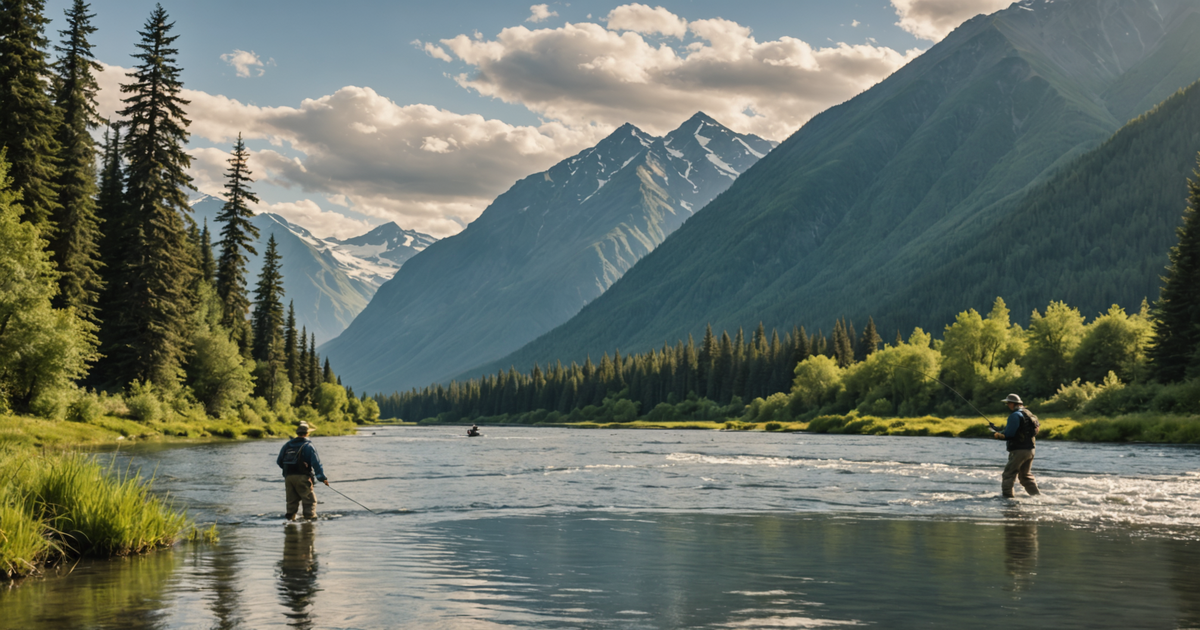
The timing of salmon runs can vary significantly across Alaska’s regions due to environmental factors and river systems.
Southeast Alaska
In Southeast Alaska, the salmon runs start earlier compared to other regions, with King salmon appearing as early as April. The diverse waterways in this area offer a range of opportunities for observing salmon and engaging in fishing activities.
Southcentral Alaska
Home to iconic rivers like the Kenai and the Copper, Southcentral Alaska sees robust runs from June to September. This area is ideal for those looking to catch a variety of salmon species, each with its own peak season.
Interior Alaska
The salmon runs in Interior Alaska, such as those in the Yukon River, typically start later due to colder water temperatures. This region provides a unique fishing experience from July through September, especially for those interested in catching Chum and Coho salmon.
Western Alaska
Western Alaska’s salmon runs are heavily influenced by the mighty Kuskokwim and Yukon rivers. The runs here generally peak in mid-summer, offering rich opportunities for both subsistence fishing and sport fishing.
Planning Your Salmon Run Adventure
Understanding the salmon run timings is essential for planning a successful fishing trip. Whether you’re interested in catching trophy-sized King salmon or experiencing the bustling Sockeye runs, timing your visit can make all the difference. For more specific advice on fishing gears, explore the best salmon hooks for solid hook-ups and best float fishing rigs for clear water.
Additionally, consulting reliable resources such as NOAA and the Alaska Department of Fish and Game can provide up-to-date information on fishing regulations and salmon run forecasts.
Conclusion
The salmon run in Alaska is a natural wonder that offers both excitement and tranquillity to those who witness it. With varying run times across regions and species, it’s crucial to plan ahead to maximise your experience. Whether you’re an angler aiming for the perfect catch or a nature enthusiast eager to witness this incredible migration, understanding when salmon run in Alaska will ensure a memorable adventure.
FAQ
When is the best time to see salmon runs in Alaska?
The best time to see salmon runs in Alaska is typically from late May to September, depending on the species and region. Each species has a specific peak time, with King salmon starting as early as May and Coho running into October.
Where is the best place to fish for salmon in Alaska?
Some of the top locations for salmon fishing in Alaska include the Kenai River, Bristol Bay, and the rivers of Southeast Alaska. Each offers unique opportunities to catch different salmon species during their respective peak seasons.
What regulations should I be aware of when fishing in Alaska?
Fishing regulations in Alaska vary by region and species. It’s essential to check the latest rules and guidelines from the Alaska Department of Fish and Game before planning your fishing trip.
Can I fish for salmon during the winter in Alaska?
Salmon fishing is primarily a summer activity in Alaska when the fish are running upstream to spawn. Winter fishing in Alaska often focuses on other species such as Arctic Grayling and ice fishing opportunities.
How can I get the most out of my salmon fishing trip in Alaska?
To maximise your salmon fishing trip, consider hiring a local guide, using specialised gear, and timing your visit during peak salmon runs. Exploring Alaska fishing packages can also enhance your experience.
What other activities can I do in Alaska during the salmon run season?
In addition to fishing, Alaska offers a variety of activities during the salmon run season, such as hiking, wildlife viewing, and riding tours. The state’s stunning landscapes provide endless opportunities for outdoor adventures.
Are there guided tours available for salmon runs in Alaska?
Yes, numerous guided tours are available for salmon runs in Alaska. These tours often include fishing excursions, wildlife viewing, and educational experiences about the local ecosystem and culture.
What should I pack for a salmon fishing trip in Alaska?
For a salmon fishing trip in Alaska, pack layered clothing, waterproof gear, insect repellent, and appropriate fishing equipment. It’s also advisable to carry a reliable map or GPS device, such as those from Gaia GPS, to navigate the vast Alaskan wilderness effectively.