
Introduction
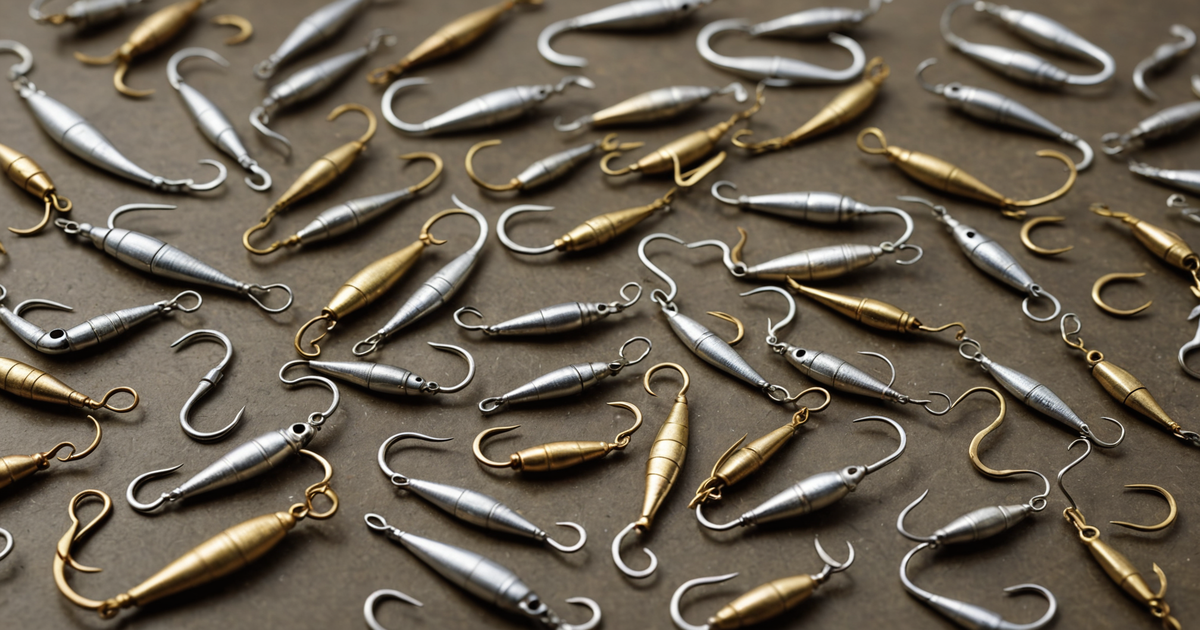
Selecting the right bait hook is crucial for anyone keen on fishing, whether in freshwater or saltwater. A well-chosen hook can significantly enhance your fishing experience by ensuring strong hook-ups and minimising the risk of losing your catch. This guide will delve into the best bait hooks suitable for various water types and species, helping you make an informed choice for your next fishing adventure. For more detail, see official guidance.
Understanding Bait Hooks
Before choosing a bait hook, it’s important to understand the different types available and their specific uses. Bait hooks come in various sizes, shapes, and materials, each designed to target particular species and fishing conditions. For more detail, see further information.
Types of Bait Hooks. For more detail, see detailed advice.
-
J-Hooks: These are the most common hooks, named for their J-shaped appearance. They are versatile and work well for a variety of bait types and fishing techniques. For more detail, see planning resources.
-
Circle Hooks: Known for their circular shape, these hooks are designed to reduce gut hooking, making them an excellent choice for catch-and-release fishing. They are especially popular in saltwater fishing. For more detail, see local insights.
-
Treble Hooks: Featuring three hooks in one, treble hooks are often used with artificial lures. They are effective for hooking fish that strike aggressively.
-
Octopus Hooks: These hooks have a short shank and are ideal for baiting with larger baits. They are frequently used in both freshwater and saltwater fishing.
Materials and Coatings
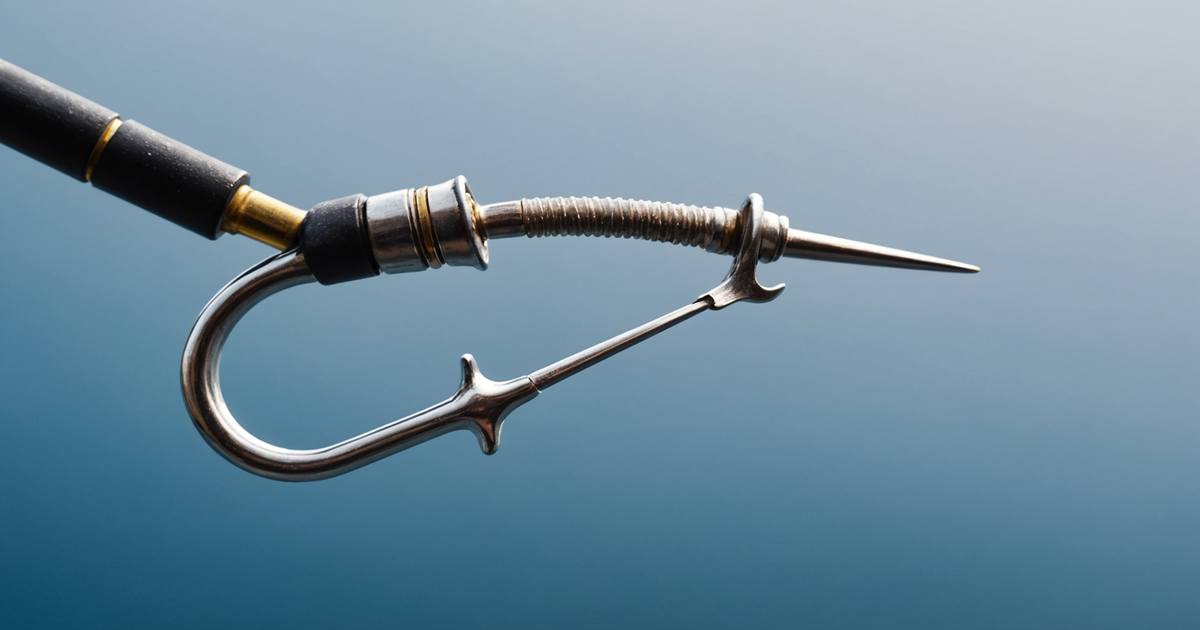
The material and coating of a bait hook can influence its durability and effectiveness. Stainless steel and high-carbon steel are common materials used for hooks, providing strength and resistance to corrosion. Some hooks also feature coatings such as nickel or Teflon, which offer additional protection against rust and improve penetration.
Choosing the Right Hook for Freshwater Fishing
When fishing in freshwater, the choice of bait hook can vary depending on the species targeted and the fishing environment. Here are some considerations:
Target Species
-
Trout and Grayling: For smaller species like trout and Arctic grayling, opt for smaller hooks such as size 10 to 14 J-hooks or circle hooks. These hooks ensure a subtle presentation and are less likely to spook the fish. Check out these tips for grayling fishing in Alaska.
-
Bass and Pike: Larger species require stronger hooks, such as size 1/0 to 3/0. Octopus hooks and treble hooks are excellent choices for these aggressive fish.
Fishing Environment
-
Rivers and Streams: In moving water, circle hooks are advantageous as they are less likely to snag on debris and rocks.
-
Lakes and Ponds: J-hooks or octopus hooks are versatile options for still waters, allowing for different bait presentations.
Selecting Hooks for Saltwater Fishing
Saltwater fishing presents unique challenges, not least because of the corrosive nature of saltwater. Choosing the right hook can make all the difference.
Hook Size and Strength
Saltwater species like salmon, tarpon, and tuna require larger and stronger hooks. Size 3/0 to 8/0 circle hooks are commonly used for these species. For more information on hook sizes for salmon fishing, refer to Fish Alaska Magazine.
Anti-Corrosion Features
Opt for hooks with anti-corrosion coatings such as Teflon or titanium nitride, ensuring longevity and reliability in harsh saltwater environments. These coatings can significantly extend the life of your hooks, providing better performance over time.
Techniques for Effective Hooking
Regardless of the type of hook, mastering the technique of hooking is essential. Here are some tips:
-
Bait Presentation: Ensure your bait is presented naturally. This involves threading the bait onto the hook in a way that mimics live prey.
-
Setting the Hook: For J-hooks, a firm, upward motion is often necessary to set the hook. In contrast, circle hooks require a slow and steady pull to secure the fish.
-
Using the Right Tools: Employ high-quality fishing clippers to trim excess line and maintain a clean setup.
Conclusion
Choosing the best bait hook involves understanding the type of fishing you plan to undertake, the species you aim to catch, and the environmental conditions. From versatile J-hooks to specialised circle hooks, each type has its unique benefits. By selecting the appropriate hook and mastering your technique, you can enhance your fishing success in both freshwater and saltwater environments.
FAQ
Q1: What size hook is best for trout fishing?
A1: For trout, smaller hooks ranging from size 10 to 14 are recommended to ensure a natural bait presentation and effective hooking.
Q2: How do I prevent my hooks from rusting in saltwater?
A2: Use hooks with anti-corrosion coatings such as nickel or Teflon, and rinse them with fresh water after each use.
Q3: Are circle hooks better for catch-and-release fishing?
A3: Yes, circle hooks are designed to hook fish in the mouth, reducing injury and improving survival rates during catch-and-release.
Q4: What is the advantage of using treble hooks?
A4: Treble hooks offer multiple points to catch fish and are highly effective with artificial lures for aggressive species.
Q5: Can I use freshwater hooks in saltwater?
A5: While you can use freshwater hooks in saltwater, it’s advisable to use hooks with anti-corrosion features to withstand the harsh conditions.
Q6: What should I consider when choosing a hook for bass fishing?
A6: Consider using strong hooks like octopus hooks in sizes 1/0 to 3/0 for bass, which are known for their aggressive strikes.
Q7: Where can I learn more about fishing techniques?
A7: For more insights, consider exploring articles on recreational fishing and techniques from Alaska Adventure Guides.
Q8: How do I know if my hook is sharp enough?
A8: Test the sharpness by lightly dragging the point across your fingernail; a sharp hook will easily scratch the surface without much pressure.