
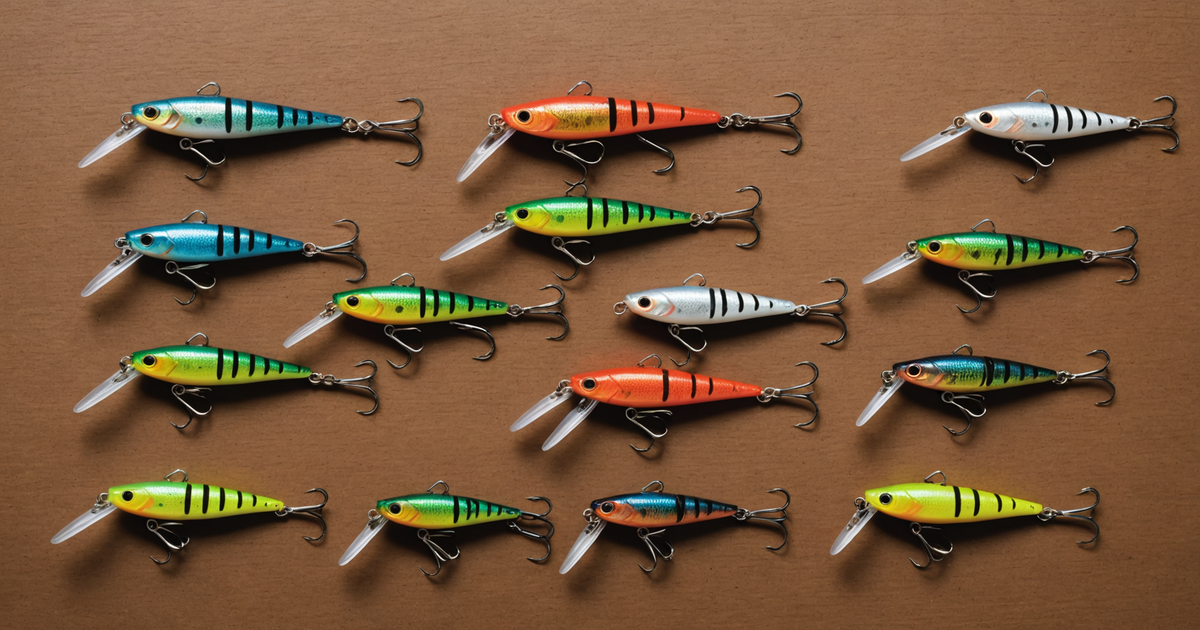
Fishing Jigs: Styles, Weights and Uses. For more detail, see official guidance.
Introduction
Fishing jigs are an indispensable tool in an angler’s arsenal, offering versatility and effectiveness in a wide range of fishing environments. Whether you’re a seasoned angler or a novice exploring the world of fishing, understanding the different types of fishing jigs, their weights, and uses can greatly enhance your fishing experience. This comprehensive guide delves into the intricacies of fishing jigs, ensuring you’re well-equipped to select the best jig for your fishing needs. For more detail, see further information.
Understanding Fishing Jigs
What is a Fishing Jig? For more detail, see detailed advice.
A fishing jig is a type of lure that is used to attract fish by mimicking prey. It consists of a lead sinker with a hook molded into it and typically features a soft body to attract fish. Jigs are designed to be jerked up and down through the water to create a lifelike motion. . For more detail, see planning resources.
Key Components of a Jig. For more detail, see local insights.
- Head: The head of the jig can be round, oval, or bullet-shaped, affecting how it moves through the water.
- Hook: Embedded in the head, the hook size and style can vary depending on the target fish species.
- Skirt or Body: Made from materials like silicone or rubber, the skirt adds movement and colour to the jig, further enticing fish.
Different Styles of Fishing Jigs
1. Ball Head Jigs
Ball head jigs are among the most commonly used jigs due to their simplicity and effectiveness. They are round and allow for a smooth, natural movement through the water, making them ideal for beginners.
2. Football Head Jigs
Named for their football-like shape, these jigs are designed for rocky substrates. Their shape helps prevent snagging, making them perfect for fishing in areas with rocks or weed beds.
3. Swim Jigs
Swim jigs are streamlined to move smoothly through the water, emulating a swimming baitfish. They are particularly useful in clear water conditions where a subtle presentation is required.
4. Flipping Jigs
These jigs are designed for heavy cover situations. Their stout hooks and robust construction make them suitable for pulling fish out of dense vegetation or brush.
5. Casting Jigs
Ideal for casting over long distances, casting jigs have a well-balanced design that allows them to be thrown further and with greater accuracy.

Weights of Fishing Jigs
Light Jigs
Light jigs, typically under 1/4 ounce, are used for shallow water fishing or when targeting smaller fish species. They allow for a delicate presentation, which is crucial in clear or calm water conditions.
Medium Jigs
Weighing between 1/4 and 3/8 ounce, medium jigs are versatile and can be used in a variety of conditions. They provide a good balance between sensitivity and casting distance.
Heavy Jigs
Heavy jigs, over 3/8 ounce, are utilised in deep water or fast-flowing currents. Their weight ensures they sink quickly and maintain contact with the bottom, making them effective for bottom-dwelling species.
Uses of Fishing Jigs
Freshwater Fishing
In freshwater environments, jigs are often used to target species such as bass, pike, and walleye. The choice of jig style and weight will depend on the habitat and behaviour of the target species.
Saltwater Fishing
Saltwater fishing with jigs targets species like snapper, grouper, and halibut. The unpredictable currents and depths of saltwater require heavier jigs to reach desired fishing depths effectively.
Ice Fishing
Jigging is a popular technique in ice fishing due to the vertical presentation it provides. Lighter jigs are typically preferred in these conditions, allowing for subtle movements to entice fish beneath the ice.
Conclusion
Fishing jigs offer unparalleled versatility and effectiveness across different fishing scenarios. By understanding the various styles, weights, and uses, anglers can choose the optimal jig to enhance their fishing success. Whether you’re tackling the freshwater lakes of Alaska or the deep saltwater currents, the right jig can make all the difference. For more on fishing equipment, explore our detailed guides on outdoor equipment.
FAQ
What is the best type of jig for bass fishing?
For bass fishing, a versatile option is the football head jig, especially in rocky areas. Swim jigs are also excellent for clear water conditions.
How do I choose the right jig weight?
The choice of jig weight depends on the water depth, current strength, and the type of fish you’re targeting. Lighter jigs are suited for shallow waters, while heavier jigs are better for deeper or faster waters.
Can jigs be used for all fish species?
While jigs are versatile, their effectiveness can vary depending on the fish species and environment. It’s important to match the jig style and weight to your specific fishing conditions.
Are there regulations on jig fishing in Alaska?
Yes, it’s important to adhere to local fishing regulations. For detailed information, visit the Alaska Department of Fish and Game.
What is the difference between a jig and a lure?
A jig is a type of lure, specifically designed to be worked vertically in the water column. It typically has a weighted head and a hook.
Where can I learn more about fishing in Alaska?
For comprehensive information on fishing in Alaska, check out Travel Alaska and My Alaskan Fishing Trip.
Can I use jigs for ice fishing?
Yes, jigs are commonly used in ice fishing due to their vertical presentation and ability to mimic small prey effectively.
For more insights into Alaska’s fishing adventures, visit our guided salmon fishing in Alaska page.