
Introduction
The allure of Alaska’s vast wilderness and its abundant marine life makes it a popular destination for those seeking not only adventure but also employment. One of the most sought-after opportunities in this realm is Alaska salmon fishing jobs. These positions are not only a gateway to experiencing the breathtaking beauty of the Alaskan landscape but also offer a lucrative means of earning during the fishing season. This guide will walk you through the process of applying for Alaska salmon fishing jobs, covering the various roles available, the requirements for each, and the best timing for your application. For more detail, see official guidance.
Understanding the Alaska Salmon Fishing Industry
Alaska’s fishing industry is a cornerstone of the state’s economy, with salmon fishing being a significant contributor. The industry is highly regulated to ensure sustainability and environmental protection. Therefore, understanding the dynamics of this sector is crucial for anyone looking to apply for a job. For more detail, see further information.
There are five main species of salmon fished in Alaska: Chinook, Sockeye, Coho, Pink, and Chum. Each species has its peak season, affecting job availability. For more information on fishing seasons, consult the Alaska Department of Fish and Game. For more detail, see detailed advice.
Types of Salmon Fishing Jobs
The salmon fishing industry offers a variety of positions, each with its own set of responsibilities and requirements. Here are some of the most common roles:. For more detail, see planning resources.
Deckhands. For more detail, see local insights.
Deckhands are essential crew members on fishing vessels, responsible for maintaining the boat, handling fishing gear, and processing the catch. No prior experience is usually required, making it an excellent entry-level position for those new to the industry.
Fish Processors
Fish processors work in onshore facilities or on processing boats, where they clean, sort, and package fish for distribution. This role often involves long hours and repetitive tasks but provides a steady income.
Skippers
Skippers, or captains, are responsible for the overall operation of the fishing vessel. This role requires extensive experience, a valid captain’s license, and in-depth knowledge of navigation and fishing regulations.
Maintenance and Support Staff
These roles include mechanics, cooks, and other support personnel who ensure the smooth operation of fishing vessels and processing facilities. Experience in relevant fields is typically required.
How to Apply for Alaska Salmon Fishing Jobs
Research and Prepare
Begin by researching the specific roles you are interested in. Understanding the best salmon hooks for fishing or the different fish jig head sizes can give you an edge. It’s also beneficial to familiarise yourself with the rules and regulations governing the Alaska fishing industry.
Find Job Listings
Job listings for salmon fishing positions can often be found on specialised job boards, fishing company websites, and through recruitment agencies that focus on maritime employment. Websites such as Alaska.org and Travel Alaska provide valuable resources and contact points.
Application Process
The application process typically involves submitting a resume and cover letter detailing your interest and any relevant experience. Highlight skills such as teamwork, physical endurance, and any previous maritime experience. Networking with industry veterans through forums and social media platforms can also provide leads and valuable insights.
Timing is Key
The best time to apply for Alaska salmon fishing jobs is several months before the fishing season begins. The peak hiring period is usually from January to March, as companies prepare for the summer salmon runs.
Preparing for the Job
Physical and Mental Preparation
Working in the Alaska salmon fishing industry can be physically demanding and mentally challenging. Prepare yourself by engaging in regular physical activity to build stamina and strength. Familiarise yourself with the outdoor activities offered in Alaska to acclimate to the environment.
Understanding Safety Protocols
Safety is paramount in the fishing industry. Knowledge of safety protocols and emergency procedures is essential. Ensure you have the necessary certifications, such as a Basic Safety Training certification, which is often required.
Packing Essentials
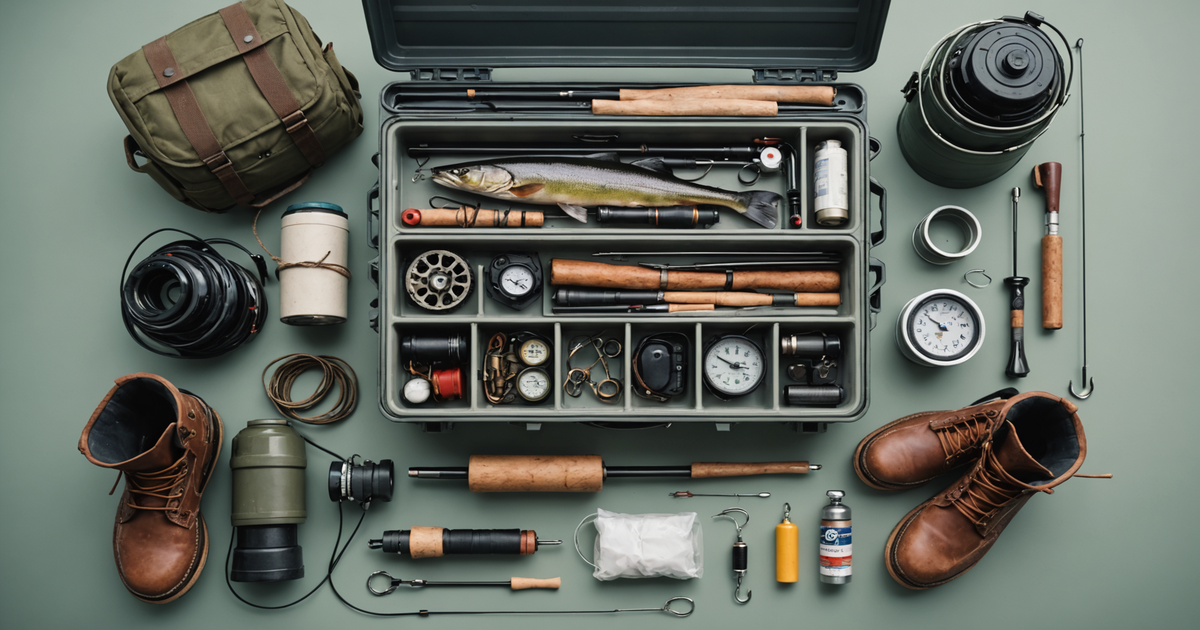
Pack appropriately for the Alaskan climate. Include waterproof gear, warm clothing, and personal protective equipment. Refer to guides on outdoor equipment for a comprehensive packing list.
Conclusion
Alaska salmon fishing jobs offer a unique opportunity to earn a significant income while experiencing one of the most beautiful and rugged environments on Earth. By understanding the roles available, meeting the necessary requirements, and timing your application correctly, you can secure a position in this thrilling industry. Whether you’re a seasoned mariner or a newcomer seeking adventure, the Alaskan salmon fishing industry has something to offer.
FAQ
What qualifications do I need for a deckhand position?
No formal qualifications are required for entry-level deckhand positions. However, a strong work ethic, physical fitness, and a willingness to learn are essential.
When is the best time to apply for salmon fishing jobs in Alaska?
The best time to apply is between January and March, before the summer fishing season begins.
Do I need previous fishing experience to apply for a processing job?
No previous experience is necessary for most processing jobs, as training is typically provided on the job.
What should I pack for a salmon fishing job in Alaska?
Essential items include waterproof clothing, warm layers, personal protective gear, and any personal items you may need during the season.
How long does the salmon fishing season last?
The season generally lasts from May to September, but this can vary depending on the specific salmon runs and fishing regulations.
Are there opportunities for advancement in the salmon fishing industry?
Yes, with experience and additional certifications, you can advance to roles such as skipper or supervisor in processing facilities.
What are the living conditions like on fishing vessels?
Living conditions can be cramped, with shared sleeping quarters and limited amenities. It’s important to be prepared for a communal living environment.
How can I ensure my safety while working on a fishing vessel?
Adhere to all safety protocols, wear appropriate safety gear, and stay informed about emergency procedures. Regular safety drills are conducted on most vessels.