

Best Time to Go Salmon Fishing in Alaska. For more detail, see official guidance.
Alaska, with its pristine waters and abundant wildlife, is a top destination for anglers worldwide. Known for its remarkable salmon runs, the state offers unparalleled fishing opportunities. However, to make the most of your adventure, timing is crucial. This article explores the best time to go salmon fishing in Alaska, ensuring you experience strong runs and ideal water conditions. For more detail, see further information.
Understanding Salmon Species and Their Run Times
Alaska is home to five species of Pacific salmon: Chinook, Sockeye, Coho, Pink, and Chum. Each species has distinct run times and preferred habitats, making it essential to plan your trip according to your desired catch. For more detail, see detailed advice.
-
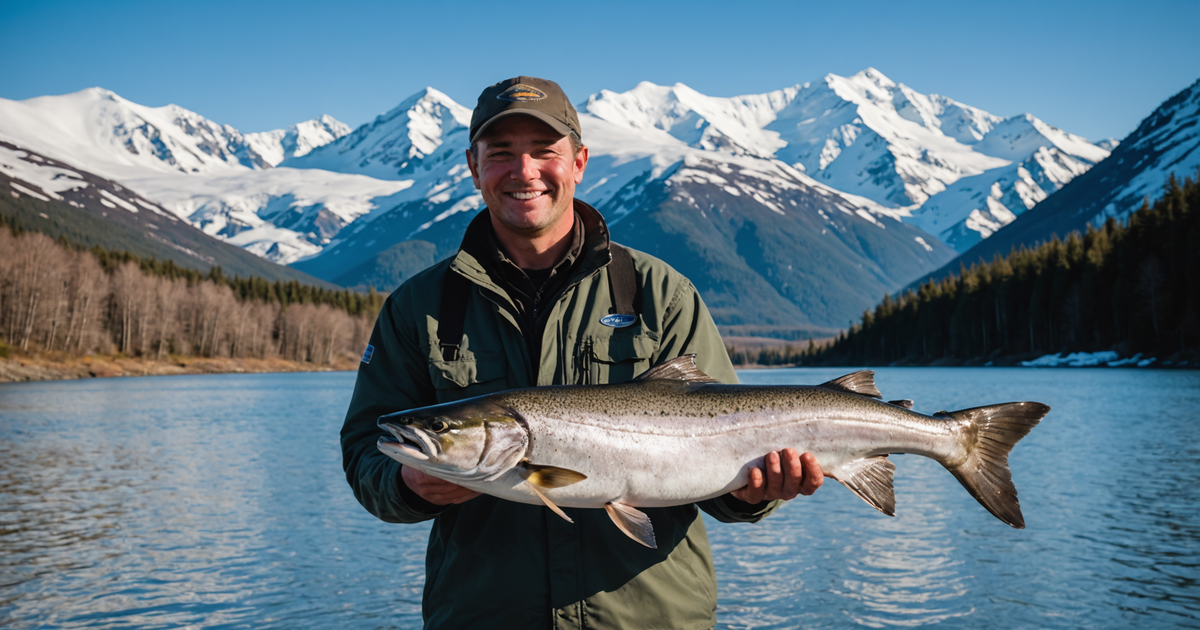
Chinook (King) Salmon: The largest of the salmon, Chinook runs generally peak from mid-June to mid-July. Known for their strength and size, these fish are a favourite among anglers.
-
Sockeye (Red) Salmon: Typically running from mid-June to late July, Sockeye are prized for their firm, oil-rich flesh. The Kenai River is particularly famous for its Sockeye runs.
-
Coho (Silver) Salmon: Coho runs are best from late July to October. These salmon are known for their acrobatics and are often more challenging to catch than other species.
-
Pink (Humpy) Salmon: Running in even-numbered years, Pink salmon are most abundant from mid-July to mid-August. They are the smallest of the Pacific salmon but provide excellent sport-fishing opportunities.
-
Chum (Dog) Salmon: With a run from July to September, Chum salmon are known for their robust flavour and are often targeted for their roe. For more detail, see planning resources.
For more insights on the different salmon species and their respective fishing techniques, visit Alaska Adventure Guides. For more detail, see local insights.
Seasonal Considerations
Spring (April to June)
Spring marks the beginning of the fishing season in Alaska. As the ice thaws, rivers swell with meltwater, creating favourable conditions for early-season fishing. This period is ideal for enthusiasts keen on targeting early Chinook salmon runs. While the weather can be unpredictable, the stunning scenery and fewer crowds make it a worthwhile experience.
Summer (June to August)
Summer is the peak season for salmon fishing in Alaska. With longer daylight hours, anglers can enjoy extended fishing trips. June is the prime month for Chinook and Sockeye, while July sees the arrival of Pink and Chum salmon. By August, Coho salmon runs are in full swing, offering thrilling challenges for fishers.
Autumn (September to October)
As summer fades into autumn, Coho salmon become the primary target. The cooler temperatures and vibrant fall foliage provide a stunning backdrop for fishing. This period is perfect for those seeking a quieter experience with ample opportunities to catch Coho and the tail end of the Chum salmon run. Learn more about when Alaska salmon season really hits its stride.
Winter (November to March)
Though not the best time for salmon fishing, winter offers unique opportunities to experience Alaska’s wilderness through ice fishing and other winter sports. The serenity of snow-covered landscapes is a draw for many, even when the salmon are scarce.
Popular Fishing Locations
-
Kenai River: Famous for its large Chinook and Sockeye salmon, the Kenai River is a must-visit for any angler. The river’s accessibility and abundant fish make it a popular choice.
-
Bristol Bay: Renowned for its Sockeye salmon, Bristol Bay provides remote, pristine fishing experiences. It’s an excellent choice for those seeking solitude and adventure.
-
Copper River: Known for its rich, flavourful salmon, the Copper River is a top destination for both fishing and culinary enthusiasts.
-
Kodiak Island: Offering diverse fishing opportunities, Kodiak Island is ideal for targeting Coho, Pink, and Chum salmon.
For a comprehensive guide to the best fishing spots, explore the Alaska destinations on Alaska Adventure Guides.
Regulations and Conservation
Fishing regulations in Alaska are strict to ensure the sustainability of salmon populations. It’s crucial to familiarize yourself with the local rules before embarking on your fishing trip. The Alaska Department of Fish and Game provides detailed information on licensing, bag limits, and seasonal restrictions.
Conservation efforts are vital in maintaining healthy salmon runs. Anglers are encouraged to practice catch and release and to follow Leave No Trace principles to protect the natural environment.
Preparing for Your Trip
Gear and Tackle
Selecting the right gear is essential for a successful fishing trip. High-quality rods, reels, and tackle will enhance your experience. For expert advice on choosing the best salmon hooks, check out this guide.
Hiring a Guide
For those new to Alaskan fishing, hiring a local guide can greatly enhance your experience. Guides offer invaluable knowledge of local waters, fish behaviour, and the best techniques to employ. Browse through fishing guides for recommendations.
Accommodation and Travel
Alaska offers a range of accommodation options, from rustic cabins to luxurious lodges. Plan your stay in advance to secure the best locations during peak fishing seasons. For travel tips and itinerary planning, visit Travel Alaska.
Conclusion
Timing your salmon fishing trip to Alaska is crucial for maximising your success and enjoyment. Whether you’re drawn by the allure of the mighty Chinook or the acrobatics of the Coho, understanding the seasonal nuances will ensure a rewarding experience. Embrace the challenge, respect the environment, and immerse yourself in the natural wonders of Alaska.
FAQ
What is the best time to go salmon fishing in Alaska?
The best time to go salmon fishing in Alaska depends on the species you wish to target. Generally, summer months from June to August offer the widest range of opportunities for all species.
Can I fish for salmon in Alaska year-round?
While there are year-round fishing opportunities, salmon fishing is seasonal. The peak salmon runs occur from late spring to early autumn.
Do I need a fishing license in Alaska?
Yes, a fishing license is required for both residents and non-residents. Licenses can be obtained through the Alaska Department of Fish and Game.
Are there any restrictions on the number of salmon I can catch?
Yes, there are specific bag limits and regulations for each salmon species. It’s important to check the current regulations before your trip.
Is it possible to fish without a guide in Alaska?
Yes, self-guided fishing is possible. However, hiring a guide is recommended, especially for beginners, to enhance your chances of success.
How can I ensure a sustainable fishing experience?
Practice catch and release when possible, adhere to local regulations, and follow Leave No Trace principles to minimise your environmental impact.
Where can I find more information on planning my fishing trip?
For comprehensive planning resources, visit Travel Alaska’s fishing page or consult the Alaska Adventure Guides for expert tips and local insights.