
World Record Salmon History | Fish Alaska Today. For more detail, see official guidance.
Introduction
For anglers, the pursuit of a world record spring salmon is akin to chasing the Holy Grail. The spring salmon, also known as the Chinook or king salmon, is revered for its size, strength, and spirited fight. The quest for the largest catch has been a long-standing tradition, drawing fishing enthusiasts to the pristine waters of Alaska. In this blog post, we will explore the history of world record spring salmon catches, the allure of fishing in Alaska, and how you can embark on your own adventure to potentially make history. For more detail, see further information.
The Majesty of Spring Salmon
Spring salmon, or Chinook salmon, are the largest of the Pacific salmon species. Known for their robust size and challenging fight, these fish are a prime target for both sport and commercial fishing. The history of world record catches is both fascinating and inspiring, showcasing the dedication and skill of anglers from around the globe. For more detail, see detailed advice.
Early Records and Legendary Catches. For more detail, see planning resources.
The pursuit of world record spring salmon dates back to the early 20th century. The International Game Fish Association (IGFA) has been the authority in certifying world record catches since its founding in 1939. Legendary catches include Les Anderson’s 97-pounder caught on the Kenai River in 1985, which still holds the title for the largest sport-caught Chinook salmon. For more detail, see local insights.
The Role of Alaska in the Record Books
Alaska’s vast and bountiful waters have long been a hotspot for record-breaking salmon fishing. The state’s rivers and coastal regions provide ideal habitats for Chinook salmon to thrive. Rivers such as the Kenai, Nushagak, and Yukon have produced numerous record-setting catches over the decades, solidifying Alaska’s reputation as a premier fishing destination.
Why Alaska Is the Ultimate Destination for Salmon Fishing
Fishing in Alaska is more than just a sport—it’s an experience. The combination of breathtaking landscapes, diverse wildlife, and abundant fish populations makes it a bucket-list destination for anglers worldwide.
Pristine Waters and Abundant Fish
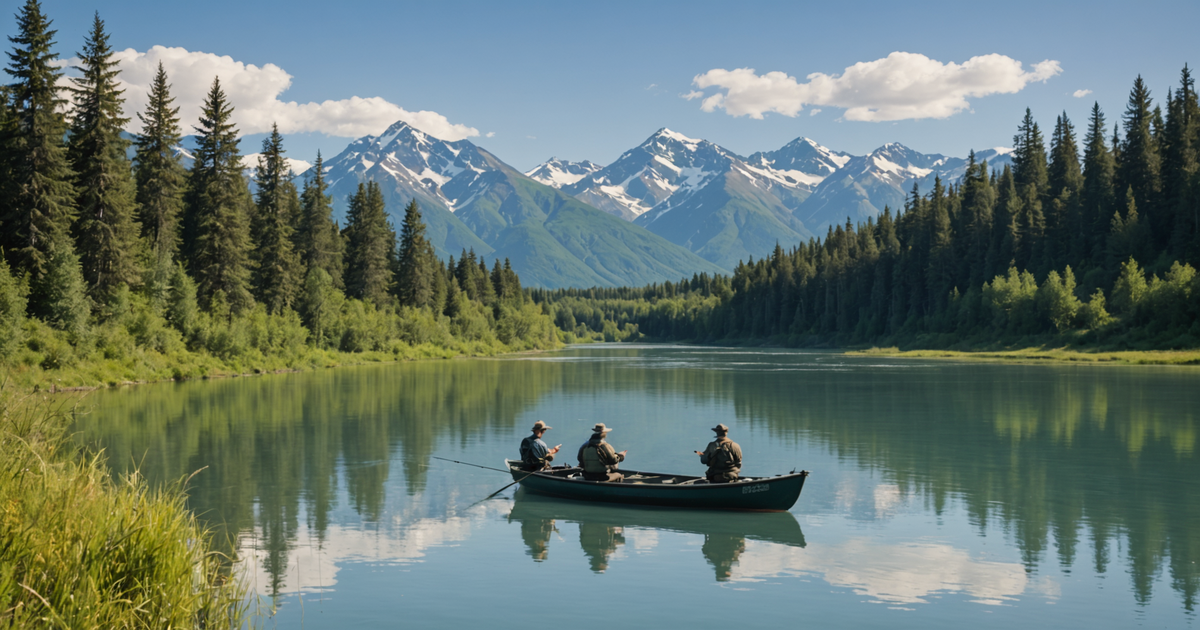
Alaska’s waterways are renowned for their clarity and richness, providing the perfect environment for salmon to flourish. The state’s commitment to sustainable fishing practices ensures that these waters remain productive and vibrant for generations to come. For more information on fishing regulations and sustainability, you can visit the Alaska Department of Fish and Game.
Guided Fishing Adventures
For those new to the Alaskan fishing scene or seeking to increase their chances of landing a trophy fish, hiring a guide is highly recommended. Expert guides in Anchorage offer curated trips that cater to all skill levels, ensuring a memorable and successful outing. To explore guided fishing options, check out our Anchorage snowmobile and fishing tours.
Planning Your Alaskan Fishing Trip
When planning a fishing trip to Alaska, several factors should be considered to maximise your experience.
Best Times to Fish
Timing is crucial when aiming to catch a world record spring salmon. The Alaska salmon season runs from May through September, with peak runs typically occurring in July and August. Planning your trip around these peak times will increase your chances of success.
Gear and Preparation
Proper gear is essential for handling the powerful Chinook salmon. Rods, reels, and lines should be capable of withstanding the force of a large, fighting fish. For tips on customising your fishing gear, visit this guide.
Accommodation and Travel
Alaska offers a variety of lodging options, from rustic cabins to luxurious lodges. It’s essential to book your accommodation well in advance, especially during peak fishing season. For travel advice, Travel Alaska provides comprehensive resources for planning your journey.
Conclusion
The pursuit of a world record spring salmon is a thrilling adventure that combines skill, patience, and a touch of luck. Alaska, with its pristine waters and rich fishing heritage, offers the perfect backdrop for this pursuit. Whether you’re an experienced angler or a novice looking to make your mark, the opportunity to fish for Chinook salmon in Alaska is an experience like no other. With the right preparation and guidance, you might just find yourself in the record books.
FAQ
What is the current world record for spring salmon?
As of now, the world record for a sport-caught Chinook salmon is 97 pounds, caught by Les Anderson in 1985 on the Kenai River.
When is the best time to fish for spring salmon in Alaska?
The peak season for spring salmon fishing in Alaska is typically from July to August, although the season runs from May through September.
Do I need a fishing licence to fish in Alaska?
Yes, a fishing licence is required for all anglers in Alaska. You can obtain one through the Alaska Department of Fish and Game.
Can I fish for spring salmon without a guide?
While it is possible, hiring a guide can greatly enhance your chances of success, especially if you’re unfamiliar with the local waters and fishing techniques.
What gear do I need for spring salmon fishing?
You will need a sturdy rod and reel, heavy-duty line, and appropriate lures for salmon fishing. Consider using custom fish decals to personalise your gear.
Where are the best places to fish for spring salmon in Alaska?
Top locations include the Kenai, Nushagak, and Yukon Rivers, renowned for their large salmon populations and frequent record catches.
How can I ensure a sustainable fishing trip?
Practising catch and release, adhering to local regulations, and following sustainable fishing practices are key to ensuring the health of Alaska’s fish populations. Visit NOAA’s guidelines for more information.
What other activities can I enjoy in Alaska besides fishing?
Alaska offers a wealth of outdoor activities like hiking, ice fishing, and exploring glaciers. For more ideas, check out our Kenai Peninsula adventure guides.