
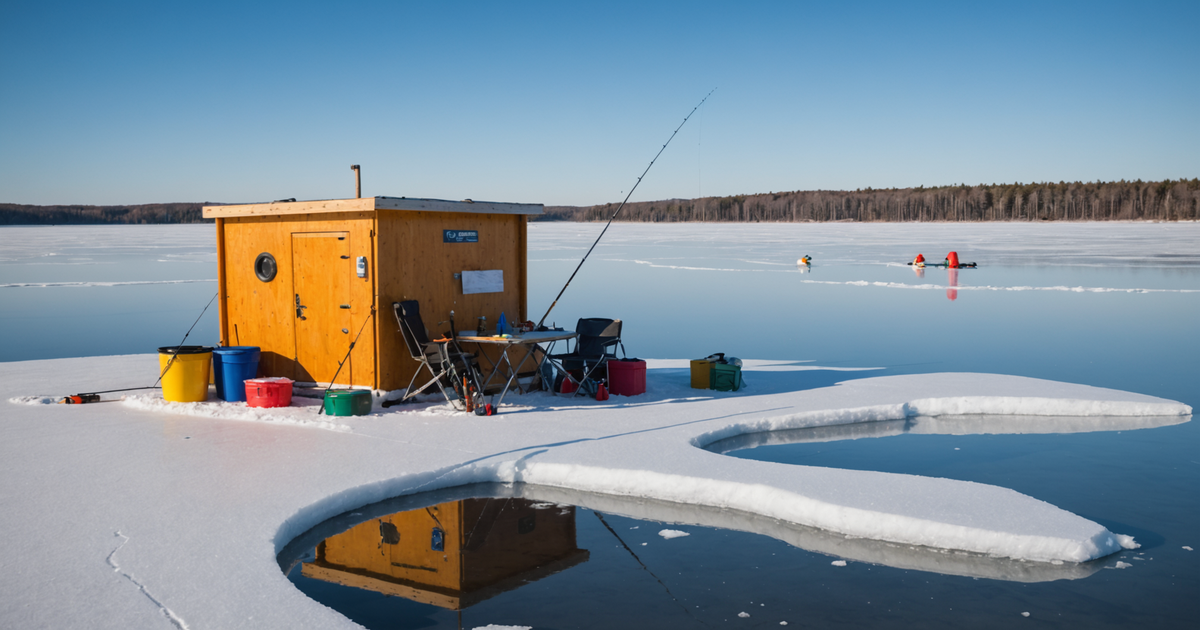
Best Trout Ice Fishing Bait | Alaska Tips. For more detail, see official guidance.
Ice fishing in Alaska presents a unique set of challenges and rewards, particularly when targeting trout. The pristine waters, coupled with the captivating Alaskan wilderness, make for an unforgettable angling experience. Yet, the key to a successful venture often hinges on your choice of bait. This guide will explore the best trout ice fishing bait suited for Alaskan conditions, offering you valuable insights before you hit the ice. For more detail, see further information.
Understanding Alaskan Trout
Trout in Alaska, including species like Rainbow Trout and Lake Trout, are highly sought after by anglers for their fighting spirit and delectable taste. Understanding their behaviour and preferences is essential for selecting the right bait. During the winter months, trout become less active, making the choice of bait even more critical. They typically inhabit deep, cold waters, often near underwater structures, where they can find sustenance and protection. For more detail, see detailed advice.
Types of Bait for Alaskan Ice Fishing
1. Live Bait. For more detail, see planning resources.
Live bait remains one of the most effective choices for attracting trout under the ice. The movement and scent of live bait can entice even the most sluggish fish. Popular options include:. For more detail, see local insights.
- Minnows: Widely used due to their natural appeal and effectiveness. Ensure you check the Alaska Department of Fish and Game regulations regarding the use of live bait in different areas.
- Worms: An easy and reliable choice, particularly effective when trout are closer to the bottom.
2. Artificial Lures
Artificial lures have gained popularity among ice fishers for their versatility and ability to mimic natural prey. Some top choices include:
- Jigs: These can be tipped with a small piece of bait for added attraction. They come in various shapes and colours, imitating insects or small fish.
- Spoons: Known for their flash and vibration, spoons can attract trout from a distance. Opt for smaller sizes to match the winter diet of trout.
3. Dough Baits
Dough baits, such as PowerBait, offer an easy-to-use alternative that can be moulded to your hook. These baits often come in bright colours and are infused with scents that attract trout, making them a popular choice for many anglers.
4. Salmon Eggs
Salmon eggs are a time-tested favourite among trout fishers. Their natural scent and appearance make them highly effective, especially when drifted near the bottom where trout tend to feed.
Techniques for Using Bait Effectively
Presentation
The presentation of your bait can greatly influence your success. When using jigs or spoons, a slow and steady jigging motion can mimic the natural movement of prey. If using live bait, ensure it is securely hooked to allow for natural movement.
Depth and Location
Trout are often found at varying depths depending on the time of day and weather conditions. Use a fish finder to locate schools of trout and adjust your bait depth accordingly. Typically, early morning and late afternoon are prime times for trout activity.
Weather Considerations
Alaskan weather can be unpredictable, and ice conditions may vary. Always check the local weather forecast before heading out. Additionally, understanding how weather affects fish behaviour can aid in your bait selection and technique.
Safety and Regulations
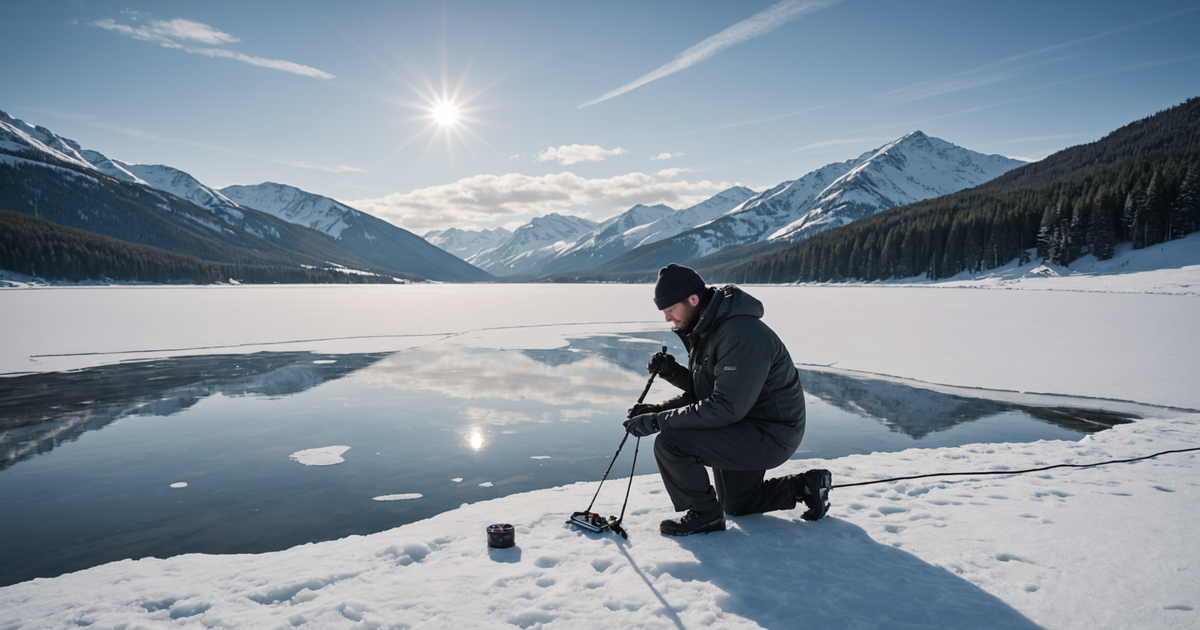
Safety should be your top priority when ice fishing. Ensure you have all necessary safety equipment and check ice thickness before venturing out. Familiarise yourself with local fishing regulations to ensure compliance with legal requirements regarding bait use and catch limits.
Conclusion
Selecting the best trout ice fishing bait for Alaskan conditions involves understanding the local trout species, their behaviour during winter months, and the unique challenges presented by the Alaskan environment. By choosing the right bait and employing effective techniques, you can increase your chances of a successful and rewarding ice fishing adventure. Remember, preparation and knowledge are your greatest allies on the ice.
FAQ
What is the best time for ice fishing in Alaska?
The ice fishing season in Alaska typically begins in late November and can extend into March, depending on the region and weather conditions. Early morning and late afternoon are generally the best times to fish for trout.
Can I use live bait for ice fishing in Alaska?
Yes, live bait such as minnows and worms can be used, but it’s essential to check local fishing regulations as rules can vary between regions.
How do I ensure safety while ice fishing?
Always check ice thickness, use a floatation device, and carry safety gear such as ice picks and a whistle. Refer to NOAA’s guidelines for more detailed safety measures.
What equipment do I need for trout ice fishing?
Basic equipment includes an auger, ice fishing rods, reels, bait, and lures. A fish finder can also be beneficial for locating trout.
Are there guided ice fishing tours available in Alaska?
Yes, there are numerous guided fishing tours available across Alaska, offering expert guidance and equipment.
What are some popular ice fishing destinations in Alaska?
Lake Louise, Big Lake, and Nancy Lake are popular destinations for ice fishing enthusiasts. Check Travel Alaska for more destination ideas.
Can artificial lures be as effective as live bait?
Absolutely, artificial lures like jigs and spoons can be highly effective when properly presented. They offer versatility and can mimic natural prey movements.
How does weather affect trout fishing in Alaska?
Weather conditions, particularly temperature and barometric pressure, can significantly impact trout behaviour. Monitoring the weather forecast can help plan more successful fishing trips.