
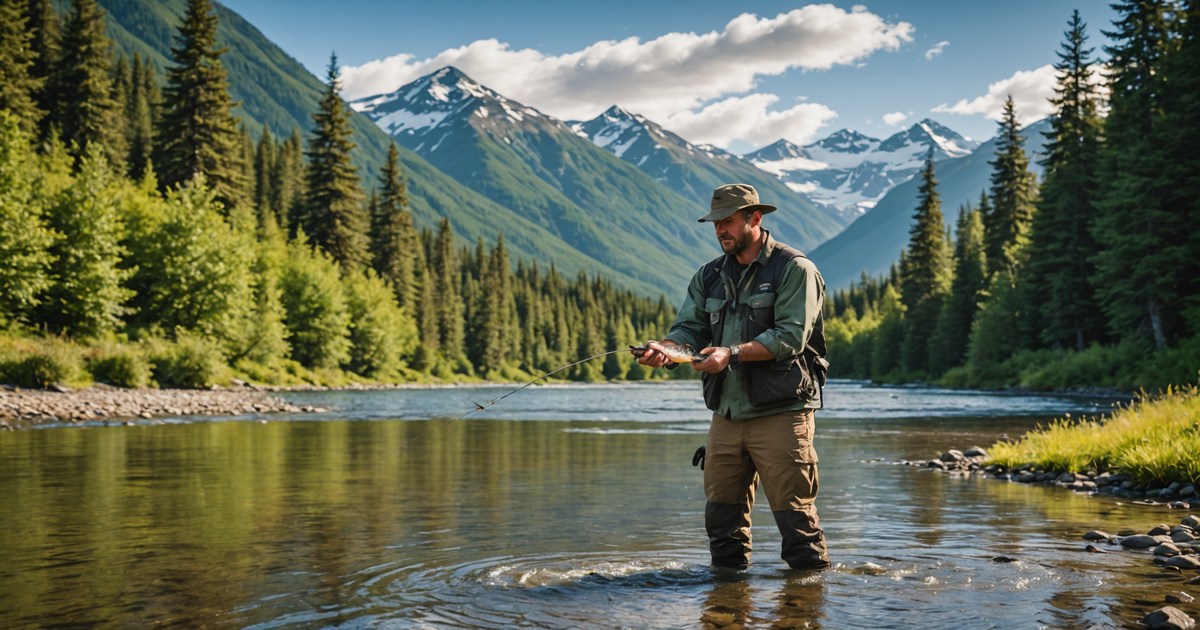
Catch & Release Trout Alaska | Guided Trips. For more detail, see official guidance.
Introduction
The majestic landscapes of Alaska, with its pristine waters and abundant wildlife, offer a prime destination for anglers worldwide. One of the most popular activities is trout fishing, particularly the catch and release method, renowned for its focus on conservation and sustainability. However, a common question arises amongst anglers: do trout die after catch and release? In this article, we’ll delve into this question, explore best practices for catch and release, and highlight the allure of guided fishing trips in Alaska. For more detail, see further information.
Understanding Catch and Release
Catch and release fishing is a practice where anglers catch fish for sport but release them back into their environment. This method is particularly crucial in maintaining fish populations and ensuring the continuity of fishing as a recreational activity. The overarching goal is to minimise harm to the fish, ensuring they can survive post-release. For more detail, see detailed advice.
Do Trout Die After Catch and Release? For more detail, see planning resources.
The survival of trout post-release largely depends on several factors, including handling techniques, water conditions, and the angler’s experience. Studies have shown that mortality rates can vary significantly. According to NOAA Fisheries, proper handling can dramatically increase the chances of survival. For more detail, see local insights.
-
Handling Techniques: Ensure minimal handling of the trout. Wet your hands before touching the fish to protect its slime layer, which guards against infections.
-
Time Out of Water: Limit the time trout spend out of water. Ideally, this should be no more than 10 seconds.
-
Hook Removal: Use barbless hooks to facilitate easier removal and reduce injury. The Alaska Department of Fish and Game provides guidelines on recommended gear for fishing.
-
Reviving the Fish: Before release, ensure the trout is fully revived. Hold it gently in the water, allowing it to regain strength before swimming away.
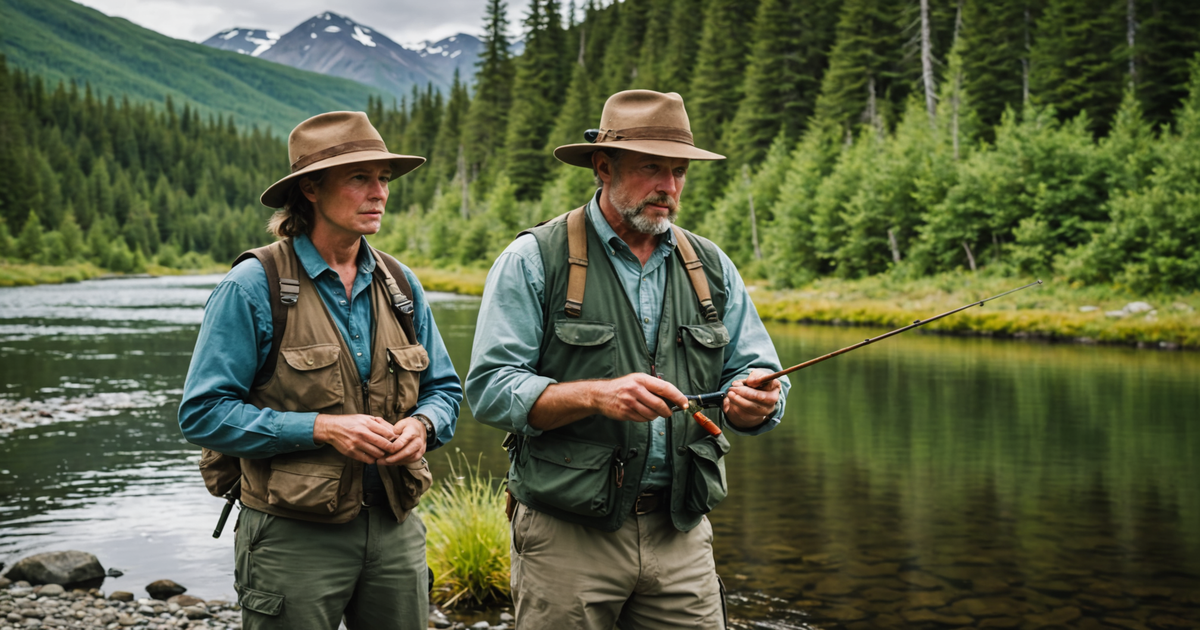
Best Practices for Responsible Fishing
Following best practices is essential to reduce the mortality rates of trout in catch and release fishing. Here are some tips to ensure a responsible fishing experience:
-
Use the Right Gear: The use of appropriate fishing gear, such as barbless hooks and soft nets, can lessen physical harm to the fish. For those new to fishing, the Kasilof River Fishing Guide for First-Timers offers valuable insights into gear selection.
-
Choose the Right Fishing Spot: Opt for locations where the water temperature is conducive to trout survival. Warmer waters can increase stress levels in fish, reducing their chances of survival.
-
Educate Yourself: Stay informed about the local fishing regulations, which can be found on the Alaska Department of Fish and Game’s website. Compliance with these regulations helps protect aquatic ecosystems.
The Allure of Guided Fishing Trips in Alaska
For anglers seeking an enriching experience, guided fishing trips offer a blend of adventure, education, and conservation. These tours are led by experienced guides who are well-versed in local ecosystems, fishing techniques, and the best spots to catch trout. A guided trip not only enhances the fishing experience but also ensures adherence to sustainable fishing practices.
Guided tours like those offered in the Anchorage area provide a holistic experience. Participants gain insights into the natural history of the region while honing their fishing skills. Moreover, these excursions often include amenities such as gear rental and transport, making them ideal for both novices and seasoned anglers.
Conclusion
Catch and release trout fishing in Alaska is more than just a pastime; it’s a commitment to preserving the delicate balance of its aquatic ecosystems. While the question “do trout die after catch and release?” remains a concern, adopting responsible practices can significantly enhance survival rates. Engaging in guided trips not only enriches the fishing experience but also fosters a deeper understanding of conservation efforts.
For those eager to explore the vast fishing opportunities Alaska has to offer, consider planning a trip through resources like Travel Alaska and My Alaskan Fishing Trip.
FAQ
1. What is the best time of year for trout fishing in Alaska?
The prime months for trout fishing in Alaska are typically from June to September. During this period, the weather is favourable, and fish are more active.
2. How can I improve my chances of a successful catch and release?
Utilising barbless hooks, handling fish with wet hands, and minimising the time out of water can significantly improve the chances of a successful catch and release.
3. Are there specific regulations I should be aware of when fishing in Alaska?
Yes, it’s crucial to familiarise yourself with local fishing regulations. The Alaska Department of Fish and Game provides comprehensive guidelines for sport fishing.
4. Can I hire fishing gear in Alaska?
Many guided tours offer gear rental services, providing everything you need for a successful trip. Check with your tour provider for specific offerings.
5. What other activities can I enjoy in Alaska besides fishing?
Alaska offers a myriad of outdoor activities, from glacier excursions to snowshoeing. The Matanuska Glacier Excursion is a popular choice for adventure seekers.
6. Are there specific types of trout found in Alaska?
Alaska is home to several trout species, including Rainbow Trout and Dolly Varden. Each offers a unique challenge and experience for anglers.
7. How can I contribute to conservation efforts while fishing?
Adhering to catch and release best practices, respecting local regulations, and participating in guided tours can all contribute to conservation efforts. Additionally, supporting organisations focused on environmental preservation can make a significant impact.
8. Where can I purchase fishing-themed merchandise in Alaska?
For those interested in fishing-themed gear, fishing mugs for serious anglers and fish decals are popular options.