
Largest Salmon Ever Caught | Fish Alaska. For more detail, see official guidance.
Introduction
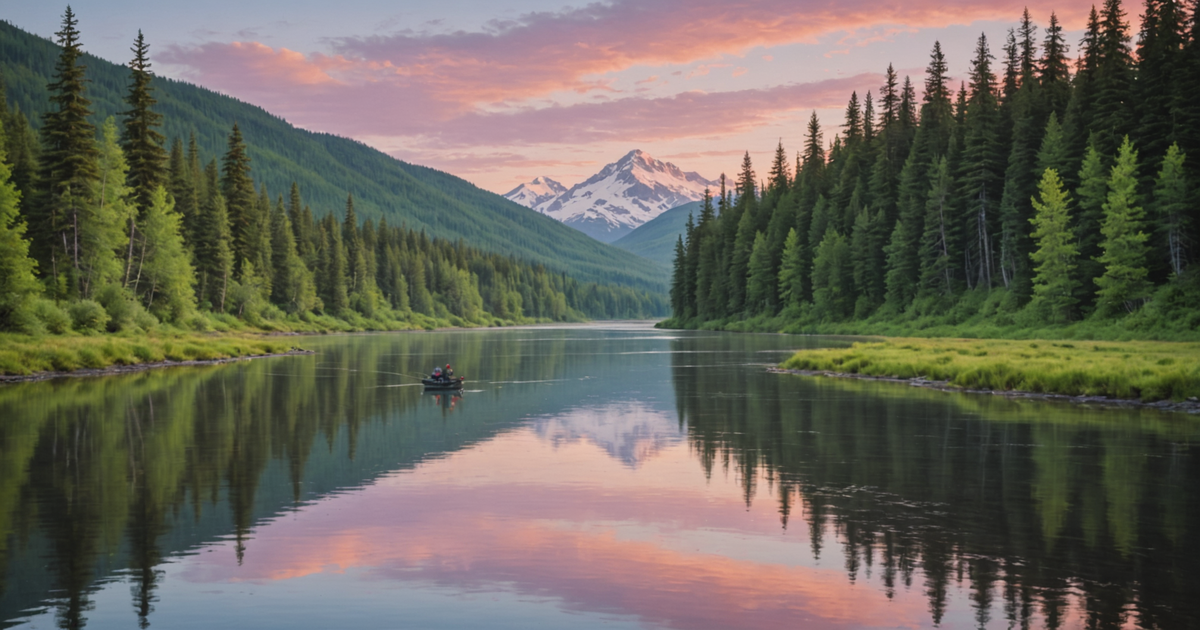
Alaska, the land of the midnight sun, is renowned for its breathtaking landscapes and abundant wildlife. Amongst its countless natural wonders, the Alaskan salmon stands out as both a culinary delight and a formidable opponent for anglers. With its pristine rivers and bountiful seas, Alaska provides the perfect backdrop for those seeking to catch the largest salmon ever recorded. In this blog post, we’ll delve into the history of these magnificent fish, their ecological significance, and guide you through planning your ultimate Alaskan fishing adventure. For more detail, see further information.
The Record-Breaking Catch
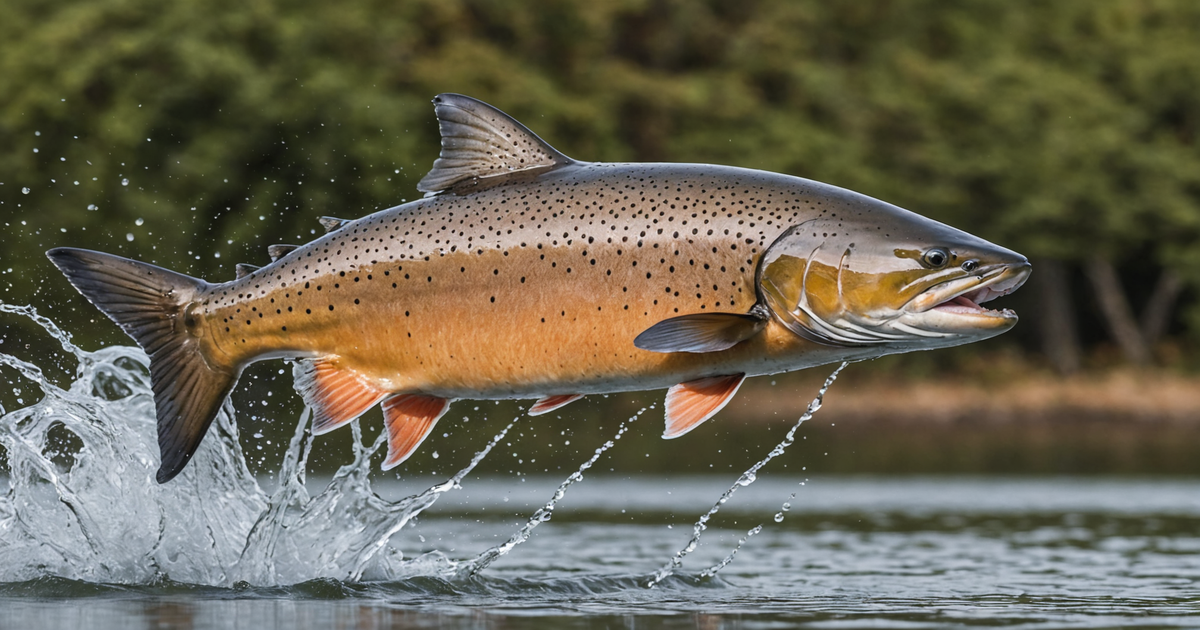
The title of the largest salmon ever caught belongs to a colossal Chinook (King) salmon. This majestic fish weighed in at an impressive 97 pounds and 4 ounces and was caught in the Kenai River by Les Anderson in 1985. The Kenai River, known for its guided salmon fishing, has since been a hotspot for anglers hoping to break Anderson’s longstanding record. . For more detail, see detailed advice.
The Chinook salmon, known for its robust size and strength, is the largest of the Pacific salmon species. Its journey from the ocean to the river is not only a testament to its endurance but also a vital part of the ecosystem. The nutrients they bring from the ocean enrich the freshwater environments, supporting a myriad of wildlife. For more detail, see planning resources.
Planning Your Alaska Salmon Fishing Adventure
Embarking on a salmon fishing trip in Alaska requires careful planning. The Alaskan fishing season varies by species and location, so timing is crucial. According to Travel Alaska, the best time for salmon fishing generally spans from May to September, with peak times differing for each salmon species. For more detail, see local insights.
Choosing the Right Location
Alaska boasts numerous fishing spots, each with its unique charm and challenges. The Kenai Peninsula, home to the record-breaking salmon, is a popular choice due to its accessibility and abundance of fishing charters. Kenai Peninsula offers a diverse range of fishing experiences, from tranquil river fishing to exhilarating sea excursions.
For those seeking solitude, remote rivers such as the Matanuska or the Copper River offer a more rugged and secluded experience. These areas require more logistical planning but reward with stunning scenery and potentially record-breaking catches.
Essential Gear and Techniques
Selecting the right gear is paramount to a successful fishing trip. For salmon fishing, rods with a medium-heavy action, coupled with durable reels and strong lines, are recommended. Equipping your gear with the best salmon hooks and flashers will increase your chances of solid hook-ups.
Understanding local fishing techniques can significantly enhance your success rate. Techniques such as trolling, fly fishing, and drift fishing are popular among seasoned anglers. For a comprehensive guide on these methods, explore fishing techniques tailored for Alaskan waters.
Conservation and Sustainable Practices
Fishing in Alaska is not just about the thrill of the catch; it also involves a commitment to preserving the delicate ecosystems that support these magnificent fish. The Alaska Department of Fish and Game regulates fishing activities to ensure sustainability. By adhering to local regulations and practising catch-and-release when appropriate, anglers contribute to the conservation of salmon populations for future generations.
Engaging in sustainable practices while fishing is crucial. This includes using barbless hooks, avoiding spawning areas, and respecting the natural habitats of wildlife.
Conclusion
The allure of catching the largest salmon ever recorded draws countless anglers to Alaska each year. With its rich fishing heritage and commitment to conservation, Alaska offers an unparalleled experience for both novice and experienced anglers. By carefully planning your trip, respecting local regulations, and embracing sustainable practices, you can enjoy the thrill of the catch while contributing to the preservation of Alaska’s natural beauty.
FAQ
What is the largest salmon ever caught?
The largest salmon ever caught is a Chinook salmon weighing 97 pounds and 4 ounces, caught in the Kenai River in 1985.
When is the best time to fish for salmon in Alaska?
The best time generally spans from May to September, with specific peak times depending on the salmon species. For more detailed timing, visit Alaska Salmon Season.
What gear is recommended for salmon fishing?
Medium-heavy action rods, durable reels, strong lines, and quality hooks and flashers are recommended. Check out the best salmon hooks for solid hook-ups.
Where is the best place to fish for salmon in Alaska?
The Kenai Peninsula is a renowned spot, but other locations like the Matanuska and Copper Rivers offer unique experiences.
Are there specific regulations for fishing in Alaska?
Yes, regulations are managed by the Alaska Department of Fish and Game to ensure sustainable fishing practices.
What is the importance of salmon in Alaska’s ecosystem?
Salmon play a crucial role by transporting nutrients from the ocean to freshwater ecosystems, supporting a wide range of wildlife.
How can I ensure my fishing trip is sustainable?
Practising catch-and-release, using barbless hooks, and respecting wildlife habitats are key sustainable practices. For more information, explore sustainable fishing practices.
Is it possible to fish for other species in Alaska?
Yes, Alaska offers diverse fishing opportunities, including species such as grayling and trout. For more options, explore recreational fishing.