
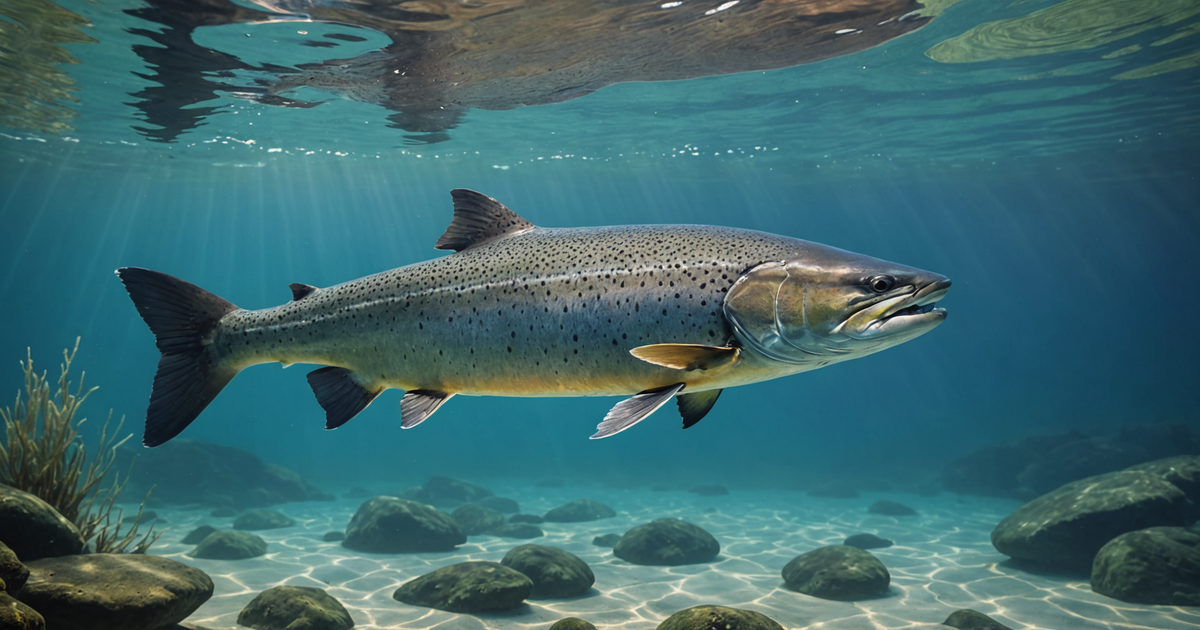
Chinook Salmon Size | Catch Alaska Giants. For more detail, see official guidance.
Chinook salmon, often referred to as the king salmon, reign supreme in the waters of Alaska. Known for their impressive size and fighting spirit, they are a prized catch for anglers worldwide. Understanding the average chinook salmon size and what to expect when fishing in Alaska can enhance your angling experience. In this guide, we delve into the fascinating facts about Chinook salmon size, habitats, fishing techniques, and more. For more detail, see further information.
Understanding Chinook Salmon Size
Chinook salmon are the largest of the Pacific salmon species, with their size being one of the most significant draws for anglers. Typically, Chinook salmon range from 10 to 50 pounds, but in the bountiful waters of Alaska, they can grow even larger. The record for the largest Chinook salmon caught in Alaska was an astounding 126 pounds, showcasing the potential of these waters. For more detail, see detailed advice.
Factors Influencing Size. For more detail, see planning resources.
Several factors contribute to the notable size of Chinook salmon:. For more detail, see local insights.
- Genetics: Hereditary factors play a crucial role in determining the potential size of Chinook salmon.
- Diet: A rich diet of smaller fish, squid, and krill supports their growth.
- Habitat: The cold, nutrient-rich waters of Alaska provide the ideal environment for their development.
The Best Time and Place to Catch Chinook Salmon in Alaska
The timing and location of your fishing trip can greatly impact your chances of landing a sizeable Chinook. The peak season for Chinook salmon fishing in Alaska generally runs from May to July, although this can vary slightly depending on the region.
- Kenai River: Famous for its trophy-sized Chinook salmon, the Kenai River is a prime location for anglers seeking a challenge.
- Nushagak River: This river is renowned for its high numbers of Chinook, offering plentiful opportunities for a successful catch.
- Southeast Alaska: Known for both its abundance and size, this area is perfect for those looking to experience the best of Alaska fishing.
For those planning their first fishing expedition or looking to refine their techniques, our guided salmon fishing in Alaska offers expert advice and guidance.
Techniques for Catching Chinook Salmon
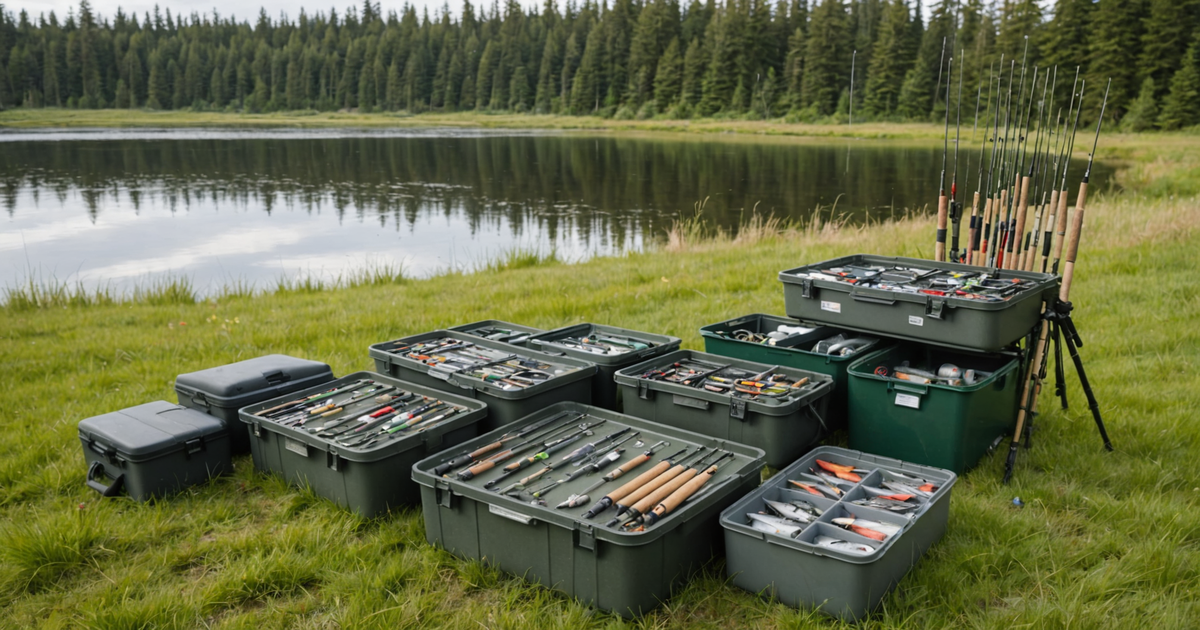
Catching Chinook salmon requires skill, patience, and the right gear. Here are some effective techniques:
Trolling
Trolling is a popular method for catching Chinook salmon. By using a boat to pull lures or bait through the water, you can cover a large area and increase your chances of success. When trolling, consider using the best plug fishing lures that are known to attract big fish.
Drift Fishing
Drift fishing involves allowing your bait to drift naturally with the current. This method is particularly effective in rivers and streams where Chinook salmon are known to swim upstream.
Fly Fishing
Fly fishing for Chinook salmon is an art form that combines skill with finesse. Using flies that imitate the salmon’s natural prey can entice these giants to bite. For more tips on fly fishing, you can explore various fly fishing resources to enhance your technique.
Regulations and Conservation Efforts
When fishing for Chinook salmon in Alaska, it is crucial to adhere to local fishing regulations to ensure the sustainability of this valuable resource. The Alaska Department of Fish and Game provides comprehensive guidelines on catch limits, season dates, and gear restrictions.
Conservation efforts are essential in maintaining healthy Chinook salmon populations. Practices such as catch and release, habitat restoration, and responsible fishing can help preserve this species for future generations. For more on sustainable fishing practices, visit NOAA’s resources.
Conclusion
Fishing for Chinook salmon in Alaska is an exhilarating experience that promises both challenge and reward. With their remarkable size and strength, these fish offer an unforgettable angling adventure. By understanding the factors that influence Chinook salmon size, choosing the right location and time, and employing effective fishing techniques, you can maximise your chances of landing an Alaskan giant. Remember to respect local regulations and contribute to conservation efforts to ensure these majestic fish continue to thrive.
FAQ
What is the average size of a Chinook salmon in Alaska?
The average size of a Chinook salmon in Alaska ranges from 10 to 50 pounds, though larger specimens can reach up to 126 pounds.
When is the best time to fish for Chinook salmon in Alaska?
The peak season for Chinook salmon fishing in Alaska is from May to July, depending on the specific region.
What are some popular fishing spots for Chinook salmon in Alaska?
The Kenai River, Nushagak River, and Southeast Alaska are renowned for their abundant Chinook salmon populations.
What techniques are most effective for catching Chinook salmon?
Trolling, drift fishing, and fly fishing are popular techniques for catching Chinook salmon.
Do I need a fishing licence to fish for Chinook salmon in Alaska?
Yes, a fishing licence is required to fish for Chinook salmon in Alaska. Visit the Alaska Department of Fish and Game for more information.
Are there size limits for Chinook salmon catches?
Yes, there are size limits in place to help conserve the Chinook salmon population. Specific regulations can be found on the Alaska Department of Fish and Game’s website.
What gear should I use for Chinook salmon fishing?
Using quality gear, such as the best fishing clippers, strong lines, and durable rods, is essential for successfully catching Chinook salmon.
How can I contribute to Chinook salmon conservation efforts?
Practising catch and release, respecting size and bag limits, and supporting habitat restoration initiatives are ways to contribute to Chinook salmon conservation.