
Introduction
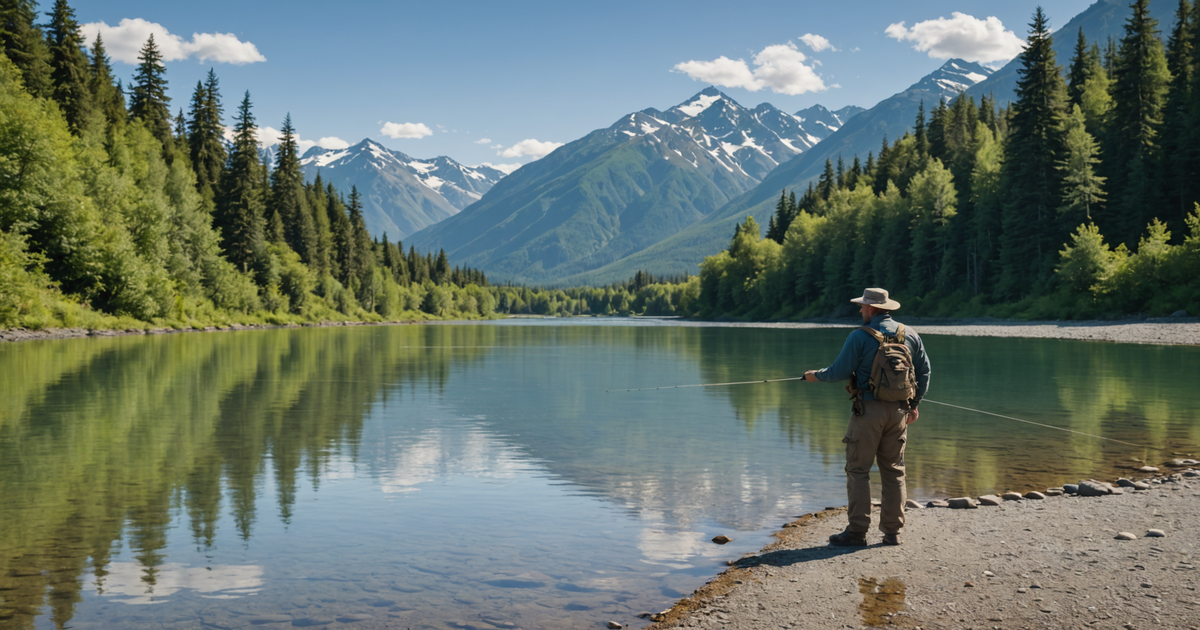
Alaska is renowned for its breathtaking landscapes and abundant wildlife, but perhaps nothing captures the imagination of anglers quite like its famed salmon runs. The waters of Alaska are home to five primary salmon species, each offering a unique challenge and reward for those who venture to fish them. Understanding the different species of salmon and the best times and locations to fish them can greatly enhance your Alaskan fishing adventure. For more detail, see official guidance.
The Five Species of Salmon
King Salmon (Chinook). For more detail, see further information.
The King Salmon, also known as Chinook, is the largest of the salmon species, with some individuals reaching up to 100 pounds. These majestic fish are prized for their size and the challenge they present to anglers. King Salmon can be found in Alaska’s rivers and coastal waters, with peak fishing occurring from May to July. Popular spots include the Kenai River and the Nushagak River. 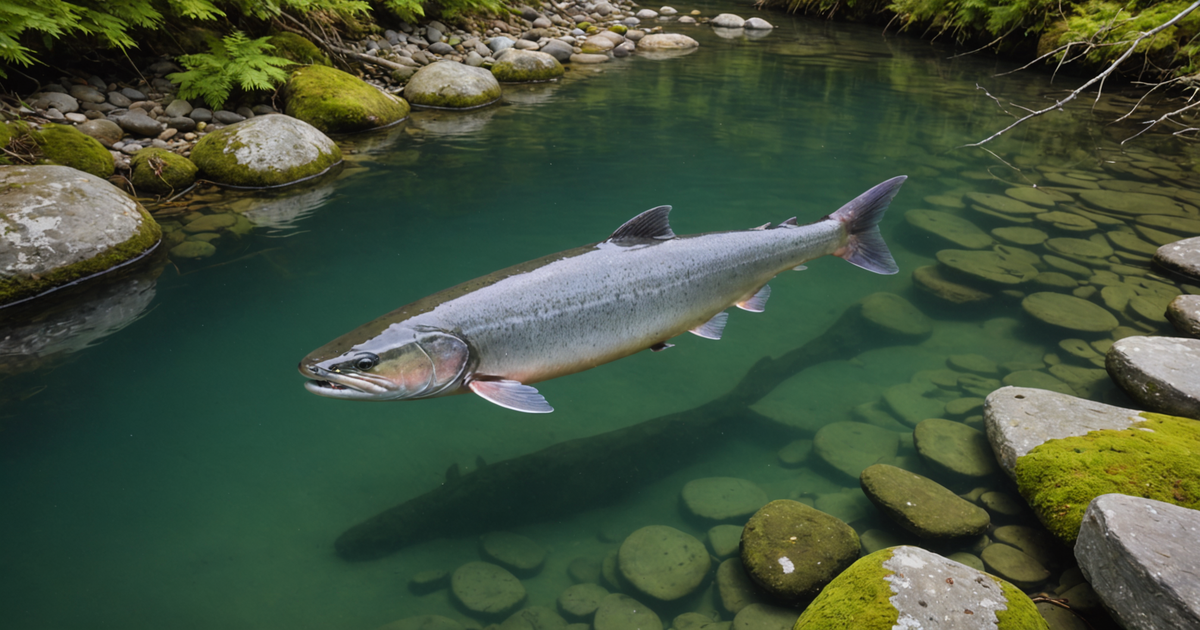 . For more detail, see detailed advice.
Sockeye Salmon (Red). For more detail, see planning resources.
Sockeye Salmon, known for their vibrant red flesh, are a favourite among those who enjoy salmon for culinary purposes. Weighing between 5 to 15 pounds, they are smaller than King Salmon but equally prized. Sockeye runs are typically from late June to early August, with the Bristol Bay area being a prominent location for fishing. For those interested in making the most of their catch, learning about Alaskan salmon candy can enhance your culinary experience. For more detail, see local insights.
Coho Salmon (Silver)
Coho Salmon, or Silver Salmon, are known for their acrobatic fights, making them a thrilling catch for anglers. They are medium-sized, averaging 8 to 12 pounds. The best time to fish for Coho Salmon is from July through September, particularly in the waters of Prince William Sound and the Kenai Peninsula. For anglers looking to improve their technique, understanding how to fish Brad’s Super Baits for salmon can be invaluable.
Pink Salmon (Humpy)
Pink Salmon, or Humpy Salmon, are the most abundant of the species and are recognised by the distinctive hump that males develop during spawning. They are smaller, typically weighing between 3 to 5 pounds, and are best fished in even-numbered years when their populations swell. The best time to catch Pink Salmon is from late July to mid-September, with the Southeast Alaskan rivers being prime locations.
Chum Salmon (Dog)
Chum Salmon, also known as Dog Salmon, are appreciated for their roe, which is highly valued in culinary circles. They are robust fish, usually weighing between 10 to 15 pounds. Chum Salmon are best fished from June through September, with the Yukon River and Kuskokwim River being popular spots.
Best Practices for Salmon Fishing in Alaska
Fishing in Alaska requires not only the right equipment but also an understanding of sustainable practices. Respecting local regulations and practising catch-and-release when necessary ensures the preservation of these incredible fish for future generations. For further insights, visiting the Alaska Department of Fish and Game can provide detailed regulations and guidelines.
Planning Your Alaskan Fishing Trip
When preparing for an Alaskan fishing trip, timing and location are crucial. Understanding when is Alaska salmon season can help in planning your trip to coincide with peak salmon runs. Additionally, employing the right gear is essential for a successful fishing experience. Exploring the best fishing clippers for clean-cut line can help ensure you are prepared for the challenges of Alaskan waters.
Conclusion
Fishing for the different species of salmon in Alaska is a thrilling and rewarding experience. From the mighty King Salmon to the abundant Pink Salmon, each species offers something unique. By understanding their habitats, peak seasons, and the best practices for sustainable fishing, anglers can fully enjoy the natural bounty of Alaska’s waters.
FAQ
What are the five species of salmon found in Alaska?
The five main species are King (Chinook), Sockeye (Red), Coho (Silver), Pink (Humpy), and Chum (Dog) Salmon.
When is the best time to fish for salmon in Alaska?
The peak season generally ranges from May to September, varying slightly for each species.
Where are the top locations for salmon fishing in Alaska?
Popular fishing spots include the Kenai River, Nushagak River, Bristol Bay, Prince William Sound, and the Yukon River.
What equipment is recommended for salmon fishing in Alaska?
Having the right gear, such as quality fishing clippers and jig heads, is essential. Researching fish jig heads sizes and setups can provide the necessary insights.
How can I ensure a sustainable fishing trip in Alaska?
Following local regulations, practising catch-and-release, and adopting sustainable fishing practices are key to maintaining the salmon population.
Are there guided fishing tours available in Alaska?
Yes, numerous guided fishing tours are available, offering expert guidance and enhancing the fishing experience.
What are some culinary uses for Alaskan salmon?
Alaskan salmon is prized for its flavour and can be used in various dishes. Exploring recipes and products like Alaskan salmon candy can provide culinary inspiration.
Do I need a fishing licence in Alaska?
Yes, a fishing licence is required to fish in Alaska, which can be obtained through the Alaska Department of Fish and Game.