
Introduction
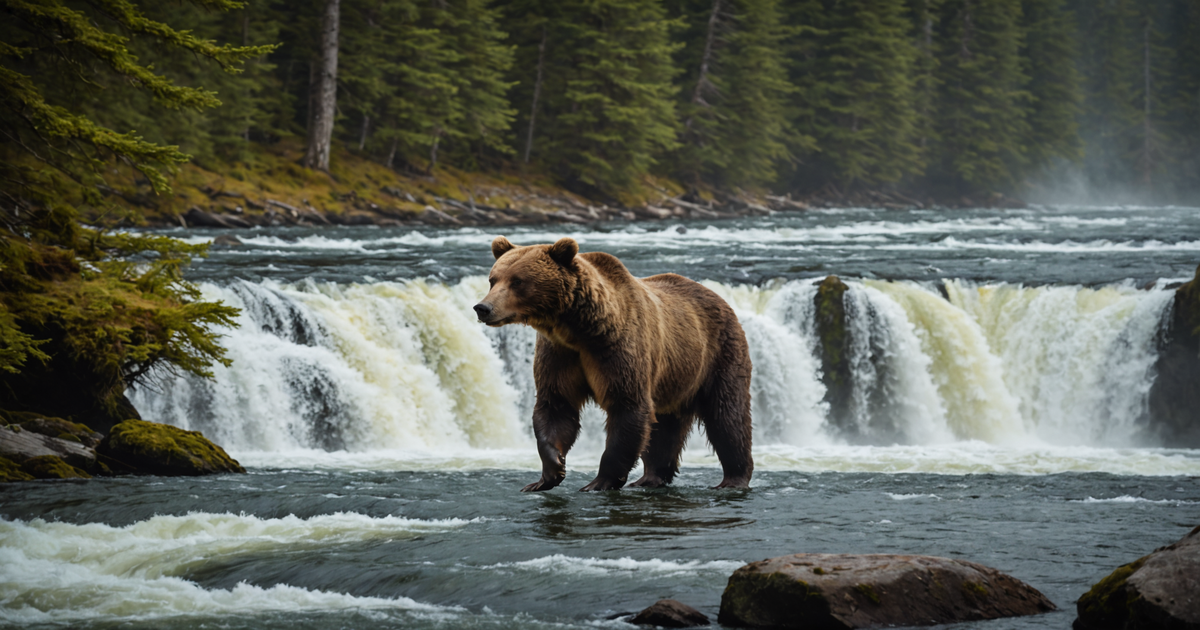
Alaska is a land of untamed wilderness, where the dramatic landscapes and diverse ecosystems offer unparalleled opportunities for adventure. Among the state’s most celebrated natural events is the Alaska salmon run, a spectacle that not only draws anglers from around the world but also the mighty bears that feast on this abundant resource. Combining the thrill of bear watching with the excitement of the salmon run makes for an unforgettable Alaskan experience. This guide will help you navigate the best ways to witness this natural phenomenon and plan your adventure from Anchorage. For more detail, see official guidance.
Understanding the Alaska Salmon Run
The salmon run in Alaska is a remarkable event where millions of salmon migrate from the ocean back to their freshwater spawning grounds. This journey is crucial for the survival of the species and a cornerstone of the ecosystem. The main types of salmon found in Alaska include Chinook, Coho, Sockeye, Pink, and Chum. Each species has its own peak season, with runs generally occurring from May through September. For more detail, see further information.
For detailed insights into fishing these species, you might want to explore the angling tips available through Alaska Adventure Guides. For more detail, see detailed advice.
Best Locations for Bear Watching
Alaska’s vast wilderness is home to approximately 30,000 bears, including both brown bears and black bears. The convergence of bears and salmon creates a prime opportunity for wildlife enthusiasts to witness these majestic creatures in their natural habitat. Here are some top locations for bear viewing:. For more detail, see planning resources.
Brooks Falls, Katmai National Park. For more detail, see local insights.
Brooks Falls is arguably the most famous spot for bear watching in Alaska. During the peak salmon run, bears gather here to catch fish as they leap upstream. The platforms at Brooks Falls provide safe and excellent vantage points for viewing.
Lake Clark National Park
Offering a more secluded experience, Lake Clark National Park provides opportunities to see bears in a variety of habitats, from coastal areas to alpine meadows. Guided tours are available to enhance your experience.
Anan Wildlife Observatory
Located in Southeast Alaska, the Anan Wildlife Observatory is famous for its large population of black bears. The observatory features a viewing platform and a photo blind, allowing for close-up encounters.
Planning Your Adventure from Anchorage
Anchorage serves as the primary gateway for many Alaskan adventures. From here, you can easily access various salmon run and bear watching locations. Consider these tips for planning your trip:
Guided Tours
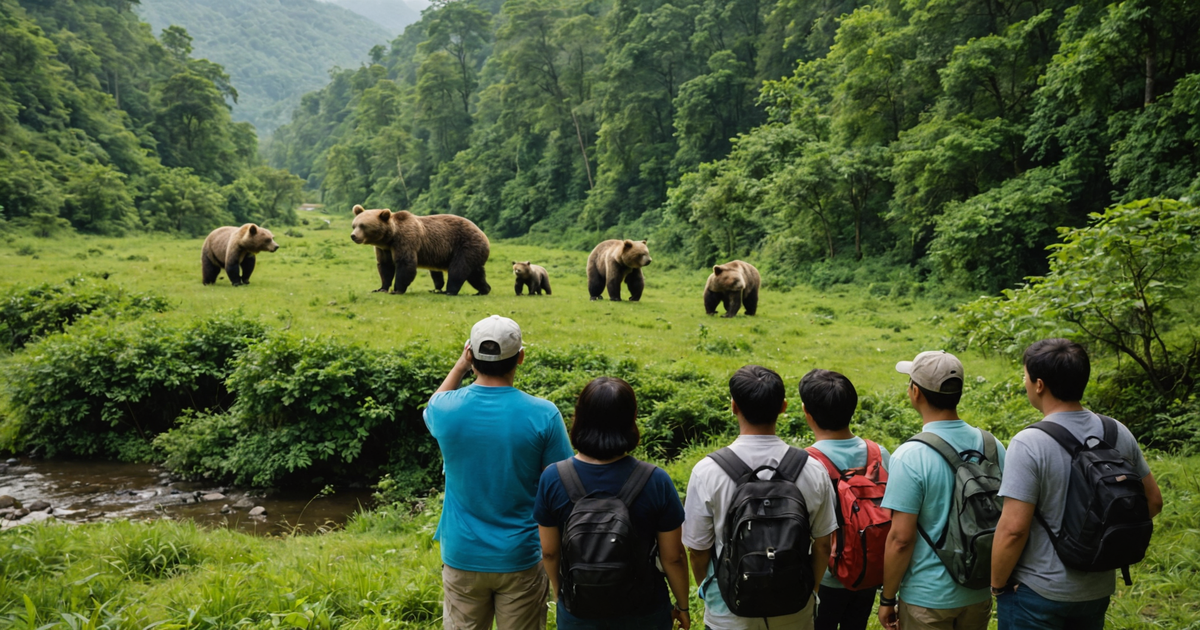
Participating in a guided tour can enhance your experience by providing expert insights and ensuring safety. Tours often include transport from Anchorage, making logistics simpler. Many tours also offer combined packages that include both fishing and bear viewing.
Timing Your Visit
The timing of your visit is crucial. Peak times vary depending on the location and the species of salmon. For instance, the Sockeye run is typically strongest in June and July, while Coho peaks later in August. Checking the Alaska Department of Fish and Game for updates on salmon run timing is recommended.
Gear and Preparations
Bringing the right gear is essential. Binoculars, cameras with telephoto lenses, and appropriate clothing for changing weather conditions will enhance your experience. For fishing enthusiasts, customising your gear with fish decals can add a personal touch to your adventure.
Conclusion
The Alaska salmon run paired with bear watching offers a unique glimpse into the raw and captivating wilderness of Alaska. Whether you are a seasoned angler or a wildlife enthusiast, this adventure promises memories that will last a lifetime. By planning your trip carefully and taking advantage of guided tours, you can experience the best that Alaska has to offer.
For more detailed travel guides and tips on planning your Alaskan adventure, visit Alaska Adventure Guides.
FAQ
What is the best time to visit Alaska for salmon run and bear watching?
The best time is typically from June to September, with peak salmon runs varying by species and location. Checking local fishing regulations can provide specific timing.
How can I safely watch bears in Alaska?
Always maintain a safe distance and follow guidelines provided by park rangers or guides. Using designated viewing platforms, like those at Brooks Falls, is advisable.
Do I need a fishing licence to fish in Alaska?
Yes, a fishing licence is required for sport fishing in Alaska. You can obtain one through the Alaska Department of Fish and Game.
Are there guided tours available for salmon run and bear watching?
Yes, many guided tours depart from Anchorage and offer comprehensive packages that include both activities. These tours often provide transport, equipment, and expert guidance.
Where can I find regulations about fishing in Alaska?
For detailed regulations, visit the Alaska Department of Fish and Game website.
What should I bring for bear viewing tours?
Binoculars, a camera with a telephoto lens, sturdy footwear, and weather-appropriate clothing are recommended. A detailed packing list can often be provided by your tour operator.
Can I combine other activities with my trip?
Absolutely. From dog sledding tours to exploring southern glaciers, Alaska offers a wide range of outdoor activities to complement your salmon run and bear watching adventure.