
Introduction
Planning a trip to Alaska is a dream for many anglers and nature enthusiasts. The state’s vast wilderness, breathtaking landscapes, and abundant wildlife offer a unique experience. One of the highlights of an Alaskan adventure is witnessing the annual salmon run in the Kenai River. Understanding the Kenai salmon count is crucial for planning the best dates for your fishing trip. In this article, we will explore the significance of the Kenai salmon count, how it affects your fishing experience, and provide tips for planning your perfect Alaskan adventure. For more detail, see official guidance.
Understanding the Kenai Salmon Count
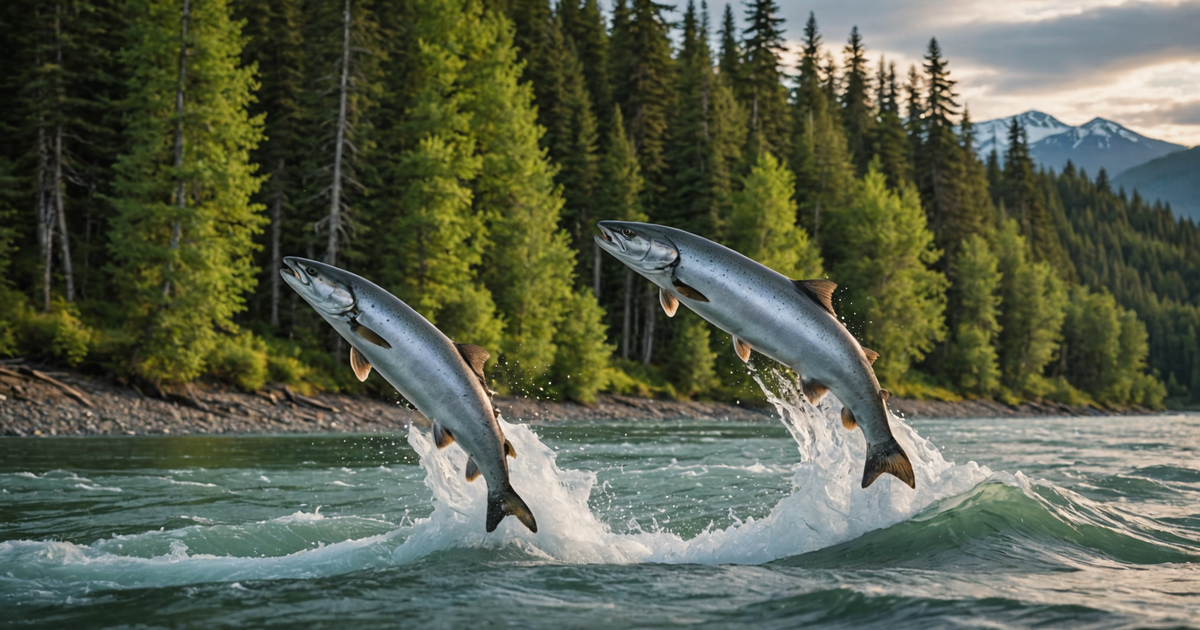
The Kenai River is renowned for its world-class salmon fishing, drawing anglers from around the globe. The river hosts five species of Pacific salmon: Chinook (King), Sockeye (Red), Coho (Silver), Pink (Humpy), and Chum (Dog). The Alaska Department of Fish and Game meticulously monitors the salmon count to ensure sustainable fishing practices and to maintain healthy fish populations. For more detail, see further information.
The Kenai salmon count is a vital tool for both conservation and angling purposes. It provides data on the number of salmon returning to spawn, helping to regulate fishing seasons and limits. For anglers, this information is invaluable in determining the optimal time to plan a fishing trip. For more detail, see detailed advice.
Best Time to Visit: Aligning with the Salmon Run
Choosing the right time for your visit can significantly impact your fishing success. The peak salmon runs vary by species:. For more detail, see planning resources.
- Chinook Salmon: Late May to July
- Sockeye Salmon: Late June to early August
- Coho Salmon: Late July to September
- Pink Salmon: Mid-July to late August (biennially)
- Chum Salmon: Mid-July to August. For more detail, see local insights.
Monitoring the Kenai salmon count can help you align your trip with these peaks. The real-time data provided by the Alaska Department of Fish and Game ensures you don’t miss the action.
Planning Your Fishing Adventure
Choosing a Guide
Hiring a professional fishing guide is recommended for an optimal experience, especially for first-timers. A guide can offer valuable insights into local fishing techniques and equipment. For those looking to explore other fishing options, consider this Kasilof River fishing guide for a comprehensive overview.
Essential Gear and Equipment
Having the right gear is crucial for a successful fishing trip. Whether it’s selecting the best salmon flashers or understanding the intricacies of fly fishing, preparing in advance will enhance your experience. Visit our section on fishing techniques for in-depth advice and recommendations.
Exploring Beyond Fishing
Alaska offers more than just fishing. Consider adding variety to your trip with activities such as snowshoeing in the winter or a guided glacier tour. These experiences allow you to enjoy Alaska’s stunning landscapes from different perspectives.
Preparing for the Alaskan Wilderness
Understanding Regulations
Familiarising yourself with local fishing regulations is essential. The NOAA Fisheries provides comprehensive guidelines to ensure sustainable fishing practices in Alaskan waters. Adhering to these rules not only helps preserve the environment but also ensures a sustainable fishery for future generations.
Safety Considerations
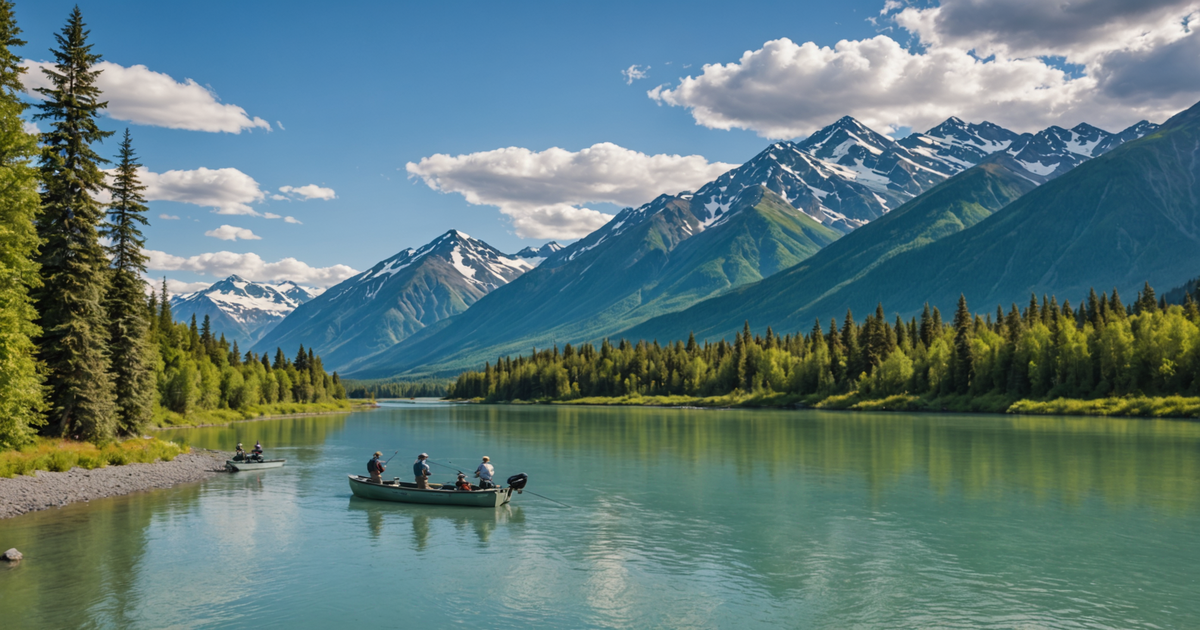
The Alaskan wilderness is as challenging as it is beautiful. Preparing for inclement weather and understanding the risks associated with wildlife encounters are crucial for a safe trip. Resources like National Geographic offer valuable insights into staying safe in remote areas.
Where to Stay
Choosing the right accommodation is vital for a comfortable stay. Whether you’re looking for a rustic lodge or a more luxurious setting, Tripadvisor offers a wide range of options with reviews to help you make an informed choice.
Conclusion
The Kenai salmon count is a pivotal aspect of planning a successful fishing trip to Alaska. By aligning your visit with the peak salmon runs, you ensure an unforgettable experience filled with excitement and natural beauty. Remember to consider other activities, understand local regulations, and prepare adequately for the wilderness. With these tips, your Alaskan adventure will be one for the books.
FAQ
What is the Kenai salmon count?
The Kenai salmon count is a measure of the number of salmon returning to the Kenai River to spawn. It is monitored by the Alaska Department of Fish and Game to ensure sustainable fishing practices.
When is the best time to fish for salmon in the Kenai River?
The best time varies by species. Generally, May through September is ideal, with specific peaks for different salmon types. Refer to the Kenai salmon count for precise timing.
Do I need a fishing license in Alaska?
Yes, a fishing license is required for all anglers in Alaska. You can purchase a license through the Alaska Department of Fish and Game.
Can I fish without a guide on the Kenai River?
While it’s possible to fish without a guide, hiring one is recommended for the best experience, especially for newcomers. A guide provides local knowledge and expertise.
What other activities can I enjoy in Alaska besides fishing?
Alaska offers a range of activities, including snowmobiling, hiking, and wildlife viewing. Explore the state’s diverse offerings to enhance your trip.
How can I ensure sustainable fishing practices?
Following local regulations and guidelines from the NOAA Fisheries can help ensure sustainable fishing practices. It’s important to respect catch limits and practice catch-and-release when necessary.
Are there accommodations near the Kenai River?
Yes, there are various lodging options near the Kenai River, ranging from rustic cabins to luxurious lodges. Check Tripadvisor for reviews and recommendations to find the best fit for your needs.
What gear is essential for salmon fishing in Alaska?
Essential gear includes appropriate rods, reels, and bait specific to salmon fishing. For detailed advice, consult our outdoor equipment section.