
Introduction
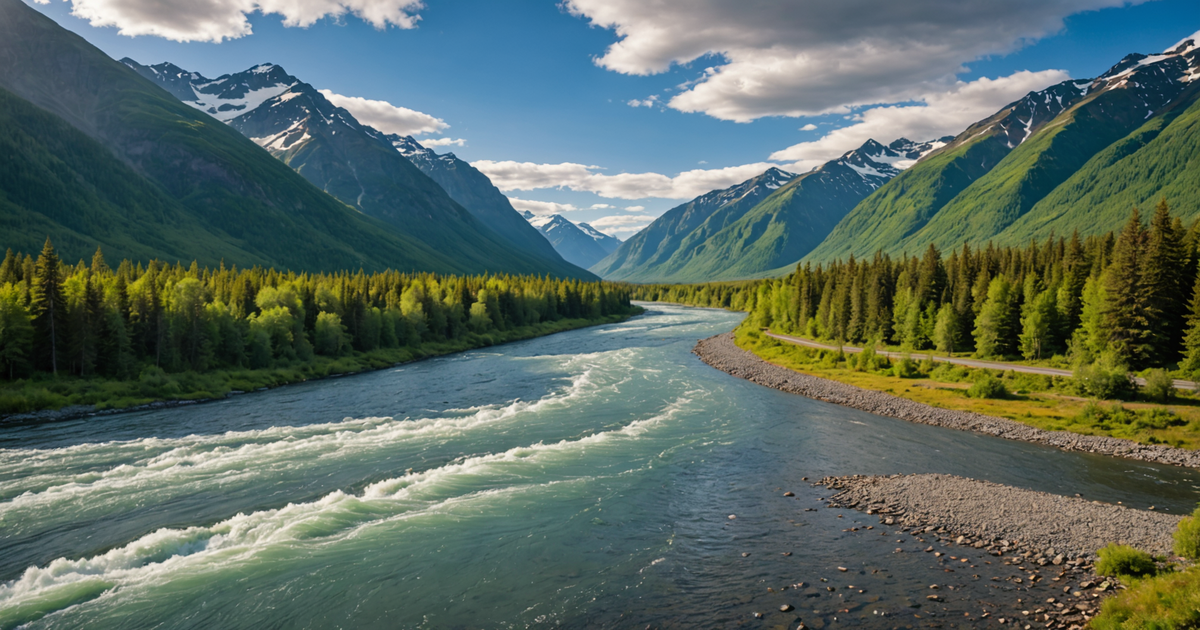
The thrill of reeling in a record-breaking fish is a dream for many anglers. Among the most coveted catches is the salmon—a fish celebrated not only for its taste but also for its formidable size. In this blog post, we will explore the stories of the biggest salmon in the world and guide you through the legendary waters of Alaska, where some of these giants have been caught. With its pristine rivers and rich marine ecosystems, Alaska remains a top destination for those seeking the ultimate salmon fishing experience. For more detail, see official guidance.
The Legendary King Salmon
King Salmon, also known as Chinook, are the largest species of Pacific salmon. Their sheer size and strength have made them the crown jewel of sport fishing in Alaska. The world record for the largest Chinook salmon was set in 1985 when Les Anderson caught a 97-pounder on the Kenai River. This catch not only put the Kenai River on the map but also inspired countless anglers to test their skills in these waters. For more detail, see further information.
Alaska’s rivers, with their cold, clear flows, provide the perfect environment for these magnificent fish. The Kenai and Nushagak Rivers are particularly famous for their large Chinook salmon runs. Anglers from around the globe flock to these rivers, hoping to break the standing record. For those planning a fishing trip to Alaska, understanding the regulations is crucial. Always check the Alaska Department of Fish and Game for the latest fishing regulations and guidelines. For more detail, see detailed advice.
The Mystique of Alaskan Waters
Alaska is synonymous with wilderness and adventure. Its unspoiled landscapes offer some of the best fishing experiences in the world. The state’s waters teem with various salmon species, including Coho, Sockeye, and Pink salmon. Each species has its peak season and preferred fishing techniques, making it essential for anglers to be well-prepared. Guided fishing tours in Alaska can provide invaluable local knowledge and increase your chances of landing a trophy fish. For more detail, see planning resources.
In addition to salmon, Alaska’s waters are home to an array of other fish species. For those interested in expanding their fishing repertoire, you might consider exploring trout and grayling fishing opportunities in the region. The diverse options available ensure that every angler can find a challenge suited to their skills and interests. For more detail, see local insights.
Techniques to Land the Big One
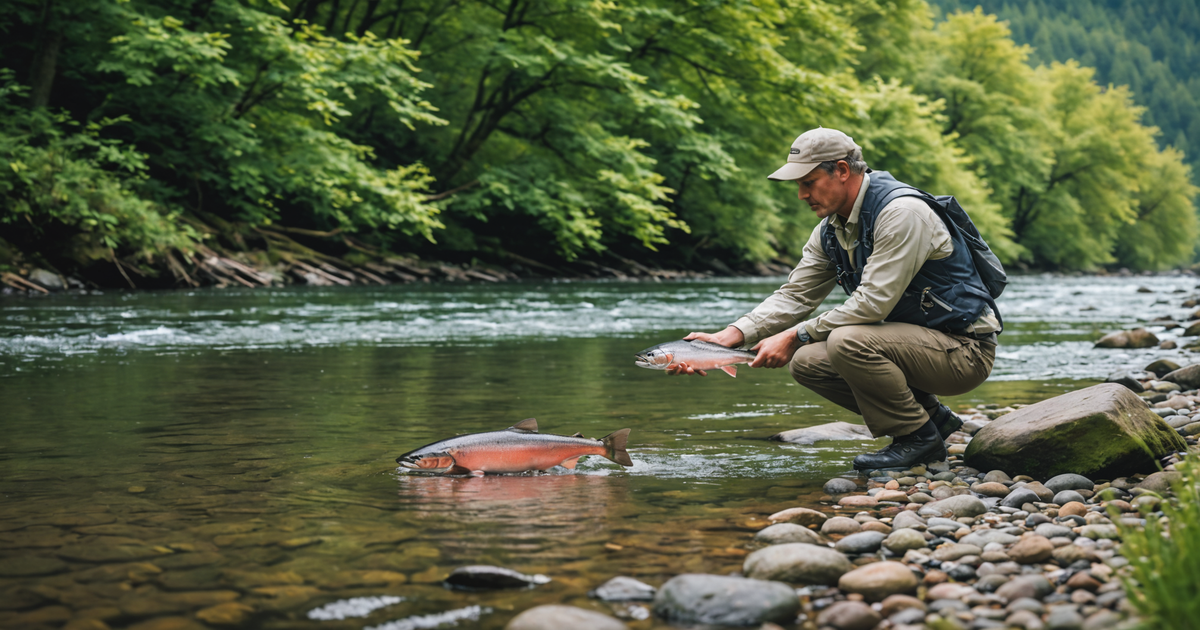
Landing a giant salmon requires more than just luck. Preparation, the right equipment, and knowledge of the fish’s behaviour are key. Using the appropriate fishing gear is crucial. Rods and reels designed to handle the weight and strength of large salmon are essential.
Understanding salmon behaviour can also give you an edge. Salmon return to their natal streams to spawn, and this journey is fraught with natural obstacles. By learning the patterns and habits of these fish, anglers can position themselves in the best spots at the right times. Techniques such as drift fishing, trolling, and fly fishing are commonly used in Alaska. For those keen to delve into fly fishing specifically, this guide provides an excellent starting point.
Conservation and Sustainability
While the allure of catching a massive salmon is undeniable, it’s vital to consider the sustainability of these magnificent creatures. The Alaska Department of Fish and Game works diligently to ensure that salmon populations remain healthy and abundant. Anglers are encouraged to follow catch-and-release practices whenever possible and adhere to local regulations.
Participating in sustainable practices while fishing not only helps preserve the environment but also ensures that future generations can continue to enjoy the thrill of fishing in Alaska. Conservation efforts are crucial, particularly as environmental changes impact fish populations worldwide.
Conclusion
The quest for the biggest salmon in the world is a journey filled with adventure, patience, and respect for nature. Alaska, with its vast, untouched landscapes and rich biodiversity, offers unparalleled opportunities to pursue this dream. Whether you are a seasoned angler or a novice, the experience of fishing in Alaska is one that will remain etched in your memory.
For those planning a trip, thorough preparation is vital. From choosing the right fishing equipment to understanding local customs and regulations, each aspect plays a role in ensuring a successful and enjoyable adventure.
FAQ
What is the largest salmon ever caught?
The largest known salmon ever caught was a Chinook salmon weighing 97 pounds, caught in the Kenai River, Alaska.
Where can I fish for the largest salmon in Alaska?
The Kenai and Nushagak Rivers are renowned for their large Chinook salmon populations, attracting anglers from around the world.
When is the best time to fish for salmon in Alaska?
The peak season for salmon fishing varies by species. Generally, King Salmon fishing is best from May to July. For more specific timing, consult the Alaska Adventure Guides resource.
What gear do I need for salmon fishing in Alaska?
A sturdy rod and reel capable of handling heavy fish, along with appropriate lures and bait, are essential. For detailed gear advice, check out fishing gear recommendations.
Are there guided fishing tours available in Alaska?
Yes, Alaska offers numerous guided fishing tours that provide local expertise and increase your chances of a successful catch.
How does one practice sustainable fishing in Alaska?
Adhering to catch-and-release practices, following local regulations, and using environmentally-friendly gear are ways to fish sustainably. More tips can be found in the sustainable practices section.
What other activities can I combine with a fishing trip to Alaska?
In addition to fishing, Alaska offers hiking tours, dog sledding tours, and a variety of outdoor sports for a well-rounded adventure.