
Introduction
Silver salmon, also known as coho salmon, are a prized catch for anglers in Alaska. Known for their aggressive nature and acrobatic fights, these fish offer both a challenge and a reward for those who pursue them. Understanding the size of silver salmon and the environments in which they thrive is crucial for anglers looking to maximise their fishing success in the pristine waters of Alaska. In this article, we’ll explore the average silver salmon size, the best locations to catch them, and why Alaska remains the top destination for salmon fishing enthusiasts. For more detail, see official guidance.
Average Size of Silver Salmon
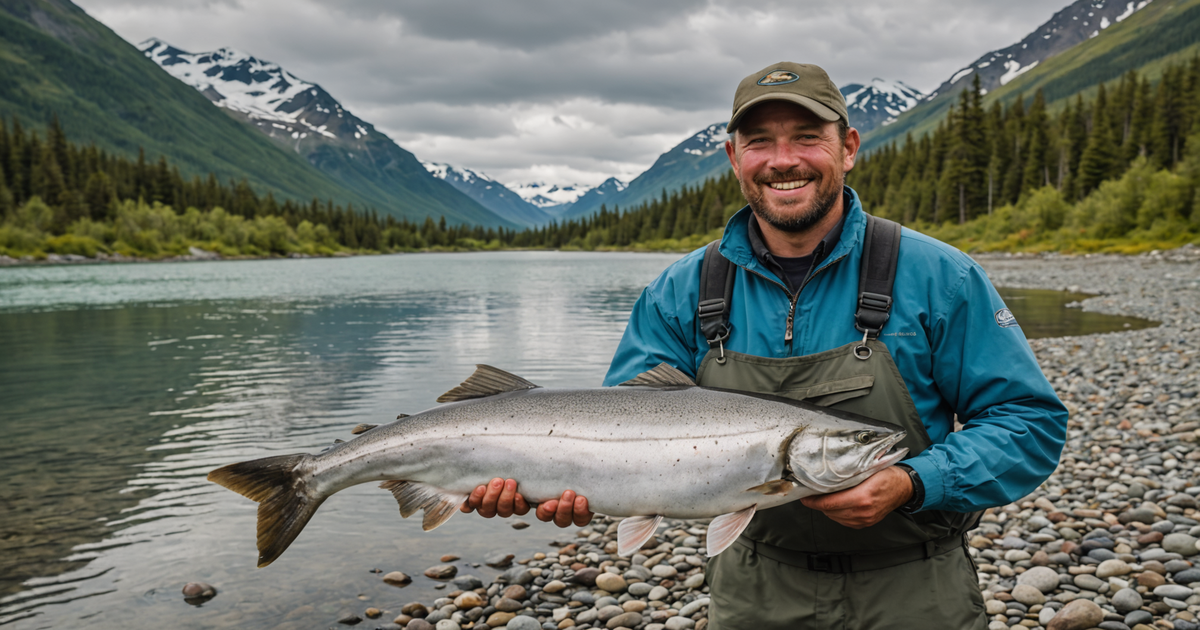
Silver salmon are distinguished by their bright silver bodies and light pink flesh. On average, adult silver salmon in Alaska range from 8 to 12 pounds, with some individuals reaching up to 20 pounds. The length of these fish typically spans 24 to 30 inches. However, the size can vary depending on the specific river system and environmental conditions. For more detail, see further information.
Alaska provides an ideal habitat for silver salmon, contributing to their robust size. The nutrient-rich waters and abundant food supply in Alaska’s rivers and coastal areas ensure that these fish grow to impressive dimensions, offering anglers an exciting challenge. For more detail, see detailed advice.
Best Time and Locations to Fish for Silver Salmon
The peak season for silver salmon fishing in Alaska generally runs from July through September, though this can vary slightly depending on the specific location. The Kenai River, renowned for its large salmon, is a popular spot among anglers. The river offers an excellent opportunity to catch trophy-sized silver salmon, especially during the late summer months. For more detail, see planning resources.
In addition to the Kenai River, the Prince William Sound and the waters around Kodiak Island provide exceptional fishing experiences. For those interested in a more remote adventure, the rivers of Southeast Alaska offer pristine environments where silver salmon thrive in abundance. Travel Alaska provides comprehensive guides on planning your fishing trip, ensuring you choose the best time and place for your adventure. For more detail, see local insights.
Techniques for Catching Silver Salmon
Catching silver salmon requires skill and the right equipment. Anglers often use fly fishing or spin fishing techniques. Fly fishing is particularly effective in clear water conditions. For those new to this method, using the best float fishing rigs for clear water can significantly enhance success rates. Spin anglers often prefer using spoons, spinners, and plugs to entice these aggressive fish.
It’s important to note that silver salmon are known for their vigorous fights, often leaping out of the water when hooked. This behaviour makes them one of the most exhilarating salmon species to target.
Conservation and Regulations
Respecting fishing regulations is essential when fishing for silver salmon in Alaska. The Alaska Department of Fish and Game (ADF&G) sets specific guidelines and quotas to ensure sustainable fishing practices. Anglers must familiarise themselves with these regulations before heading out to fish. Observing catch limits and practising catch-and-release when appropriate helps preserve the delicate ecosystems these fish inhabit.
Additionally, understanding local conservation efforts is crucial. Engaging in sustainable practices ensures that future generations can enjoy Alaska’s rich fishing heritage.
The Alaskan Fishing Experience
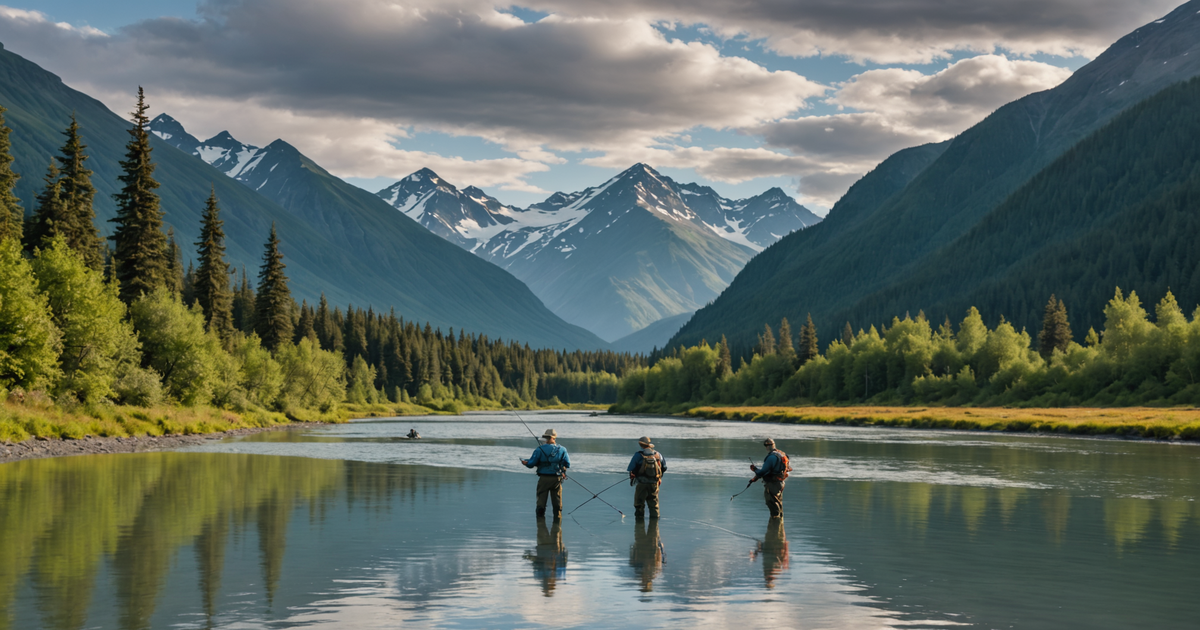
Fishing for silver salmon in Alaska is more than just a pursuit of catching fish; it’s an experience that connects anglers with nature. The remote wilderness, stunning landscapes, and abundant wildlife create an unparalleled backdrop for fishing adventures. Whether you’re a seasoned angler or a beginner, the thrill of catching a silver salmon in Alaska’s pristine waters is an experience not to be missed.
For those considering a trip, resources like Alaska.org provide detailed information on charters and guided tours, helping visitors make the most of their Alaskan fishing adventure.
Conclusion
Silver salmon fishing in Alaska is an experience that combines the thrill of sport with the beauty of nature. Understanding the average size of these fish, the best locations to catch them, and the appropriate techniques will enhance any fishing expedition. By observing conservation practices and respecting local regulations, anglers can ensure that Alaska remains a premier destination for silver salmon fishing for years to come.
FAQ
1. What is the average size of silver salmon in Alaska?
The average size of silver salmon in Alaska ranges from 8 to 12 pounds, with lengths typically between 24 to 30 inches. Some individuals can reach up to 20 pounds.
2. When is the best time to fish for silver salmon in Alaska?
The peak season for silver salmon fishing in Alaska is from July through September, with variations depending on the specific location.
3. What are the best locations to catch silver salmon in Alaska?
Popular locations include the Kenai River, Prince William Sound, and the waters around Kodiak Island. Southeast Alaska also offers excellent opportunities in more remote settings.
4. What fishing techniques are effective for catching silver salmon?
Both fly fishing and spin fishing are effective. Using spoons, spinners, and plugs are popular methods for spin anglers, while fly fishing is ideal in clear water conditions.
5. Are there specific regulations for silver salmon fishing in Alaska?
Yes, anglers must adhere to regulations set by the Alaska Department of Fish and Game, which include catch limits and seasonal guidelines. It’s important to consult the ADF&G website for up-to-date information.
6. How does Alaska ensure the sustainability of its salmon fisheries?
Alaska implements strict regulations and conservation efforts to maintain sustainable salmon fisheries. This includes monitoring fish populations and enforcing catch limits.
7. What makes Alaska a unique destination for fishing?
Alaska’s remote wilderness, diverse ecosystems, and abundant salmon populations make it a unique and sought-after destination for anglers worldwide.
8. Where can I find more resources for planning a fishing trip to Alaska?
Websites like Travel Alaska and Alaska.org offer comprehensive guides and resources for planning a successful fishing trip in Alaska.