
Introduction
Alaska, with its pristine waters and breathtaking landscapes, is home to one of the most diverse and abundant salmon habitats in the world. The state boasts five distinct species of Pacific salmon, each playing a crucial role in both the ecosystem and the local economy. Whether you’re an angler eager to catch a prized salmon or simply interested in understanding these fascinating creatures, learning about the five kinds of salmon in Alaska is essential. This guide will delve into the unique characteristics of each species, the best locations to fish them, and tips for a successful fishing adventure. For more detail, see official guidance.
King Salmon (Chinook)
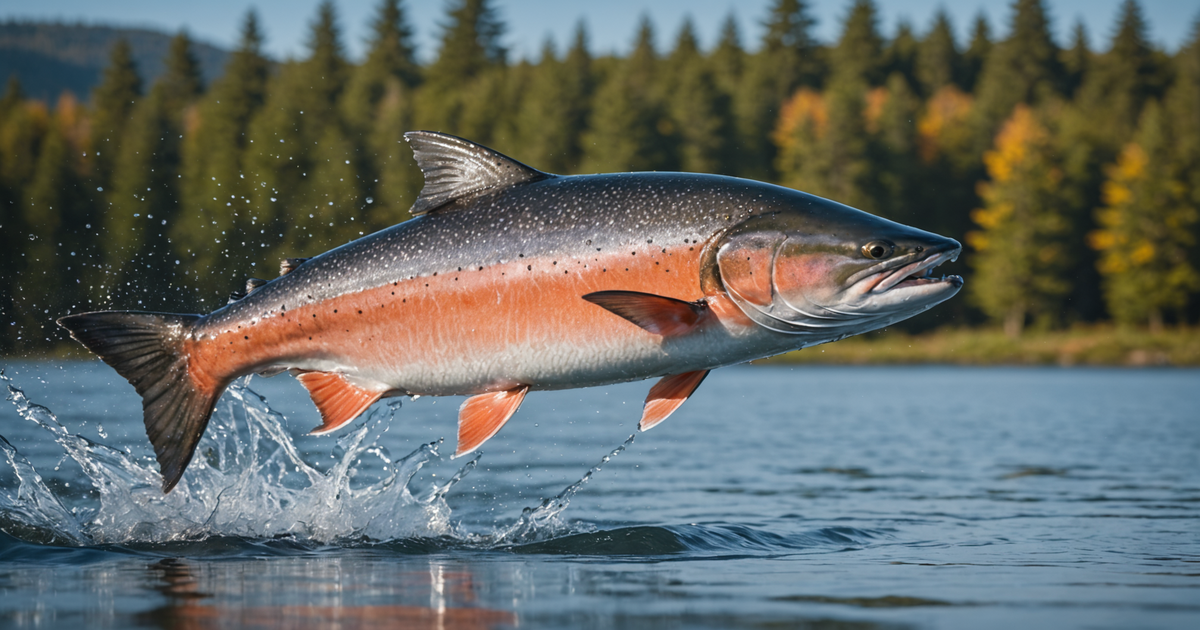
The King Salmon, also known as Chinook, is the largest and most prized among the Alaskan salmon species. With some individuals weighing over 50 kg, the King Salmon is a formidable catch. They are distinguishable by their silvery sides and dark blue-green backs. King Salmon are typically found in the deeper parts of large rivers and coastal areas. For more detail, see further information.
Where to Fish for King Salmon. For more detail, see detailed advice.
One of the premier locations for King Salmon fishing is the Kenai River. This river is renowned for producing record-breaking catches. Other notable spots include the Nushagak River and the Situk River. For those planning a fishing trip, Travel Alaska offers comprehensive guidance on the best times and places to fish for King Salmon. For more detail, see planning resources.
Fishing Techniques. For more detail, see local insights.
Fishing for King Salmon requires robust gear and patience. Techniques such as trolling, drift fishing, and using high-spin salmon spinners are highly effective. For more detailed fishing techniques, consider exploring fishing techniques that enhance your chances of a successful catch.
Sockeye Salmon (Red)
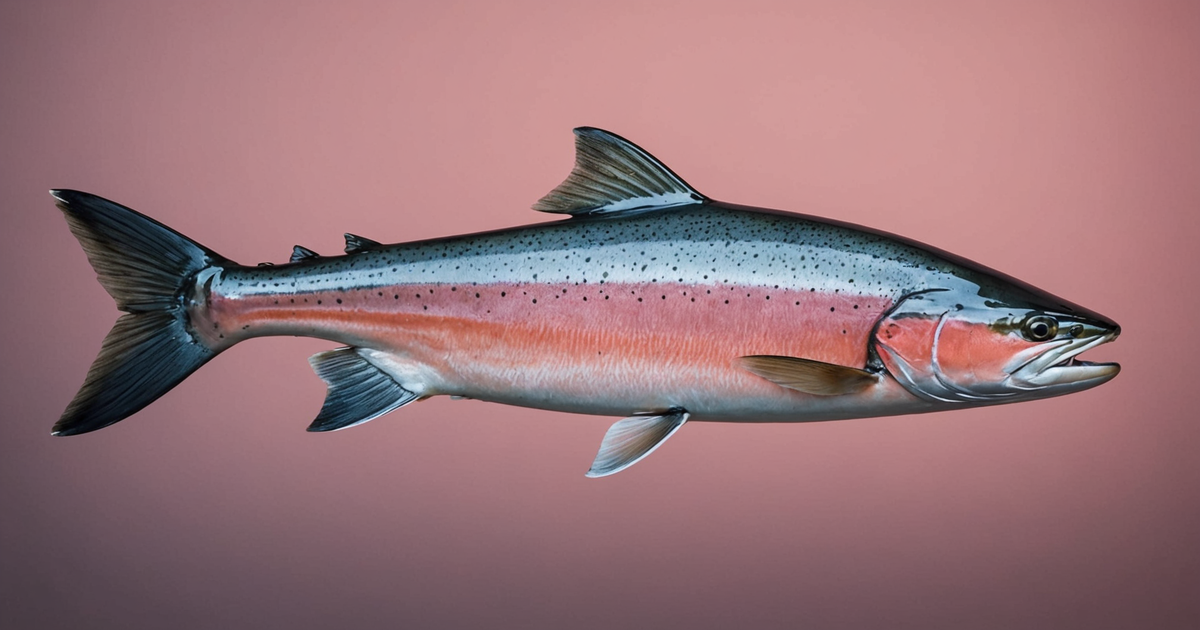
Sockeye Salmon, or Red Salmon, are celebrated for their vibrant red flesh and are a favourite for culinary purposes. These salmon are smaller than the King Salmon but are known for their tenacity and flavour.
Where to Fish for Sockeye Salmon
The Bristol Bay watershed is one of the best areas to catch Sockeye Salmon. This region hosts the largest Sockeye runs in the world. Lake Iliamna and the Kvichak River are also excellent locations to fish for Sockeye.
Fishing Techniques
Fly fishing and drift fishing are popular methods for catching Sockeye Salmon. Their predictable movement patterns make them ideal targets for these techniques. The Alaska Department of Fish and Game provides specific regulations and guidelines for fishing Sockeye and other salmon species.
Coho Salmon (Silver)
Coho Salmon, often referred to as Silver Salmon, are known for their acrobatics and aggressive behaviour, making them a thrill to catch. They are medium-sized and can be identified by their silver sides and dark-blue backs.
Where to Fish for Coho Salmon
The waters around Kodiak Island and Prince William Sound are prime spots for Coho Salmon fishing. The peak season typically runs from late summer to early autumn.
Fishing Techniques
Casting spinners and using jigs are effective methods for catching Coho. For anglers looking for gear recommendations, fishing gear tailored for Coho fishing can enhance your experience.
Pink Salmon (Humpy)
Pink Salmon, or Humpy, are the smallest and most abundant of the Pacific salmon species. They are named for the pronounced hump that males develop during spawning. Pinks are particularly famous for their biennial runs, which occur in odd-numbered years.
Where to Fish for Pink Salmon
Prince William Sound and the Southeast Panhandle are hotspots for Pink Salmon fishing. These areas see large runs, making them ideal for both novice and experienced anglers.
Fishing Techniques
Pink Salmon are less selective than other salmon species, making them easier to catch. Light tackle and small lures are usually effective. For additional guidance, the NOAA Fisheries website offers resources on sustainable fishing practices.
Chum Salmon (Dog)
Chum Salmon, also known as Dog Salmon, are recognised for their distinctive calico bands and formidable teeth. Although not as popular as other salmon for sport fishing, they are valued for their roe.
Where to Fish for Chum Salmon
The Yukon River and the Kuskokwim River are prominent locations for Chum Salmon. These rivers support large runs, especially during the late summer.
Fishing Techniques
Chum Salmon can be caught using techniques similar to those used for Coho Salmon. Drift fishing and casting from the shore are common methods. For a more immersive fishing experience, consider a guided salmon fishing tour to maximise your catch potential.
Conclusion
Alaska’s five kinds of salmon — King, Sockeye, Coho, Pink, and Chum — offer a unique and thrilling fishing experience. Each species has its own characteristics, preferred habitats, and optimal fishing techniques. Whether you are a seasoned angler or a novice, Alaska’s waters provide ample opportunities to connect with nature and enjoy the bounty of the sea. For more insights into planning an Alaskan fishing vacation, check out Screamin Reels.
FAQ
What are the best months for salmon fishing in Alaska?
The peak months for salmon fishing in Alaska typically range from June to September, depending on the species and location.
Do I need a fishing licence to fish for salmon in Alaska?
Yes, a fishing licence is required. You can obtain one through the Alaska Department of Fish and Game.
Can I fish for all five kinds of salmon in one trip?
While it’s possible to catch all five species in a single trip, it requires careful planning and the right locations. Guided tours can increase your chances.
What is the best gear for salmon fishing in Alaska?
The best gear varies by species, but generally includes medium to heavy rods, reels with strong drag systems, and appropriate lures or flies. Check out fishing gear for specific recommendations.
Are there any sustainable practices for salmon fishing?
Yes, sustainable practices include catch and release, following local fishing regulations, and using eco-friendly gear. Visit sustainable practices for more tips.
What is the largest salmon species in Alaska?
The King Salmon is the largest species, with some individuals weighing over 50 kg.
Can I eat the salmon I catch in Alaska?
Yes, most salmon caught in Alaska are safe and delicious to eat. Always check local advisories for any consumption guidelines.
Where can I find more information on planning a fishing trip to Alaska?
For comprehensive planning resources, visit My Alaskan Fishing Trip for expert advice and location guides.