
Introduction
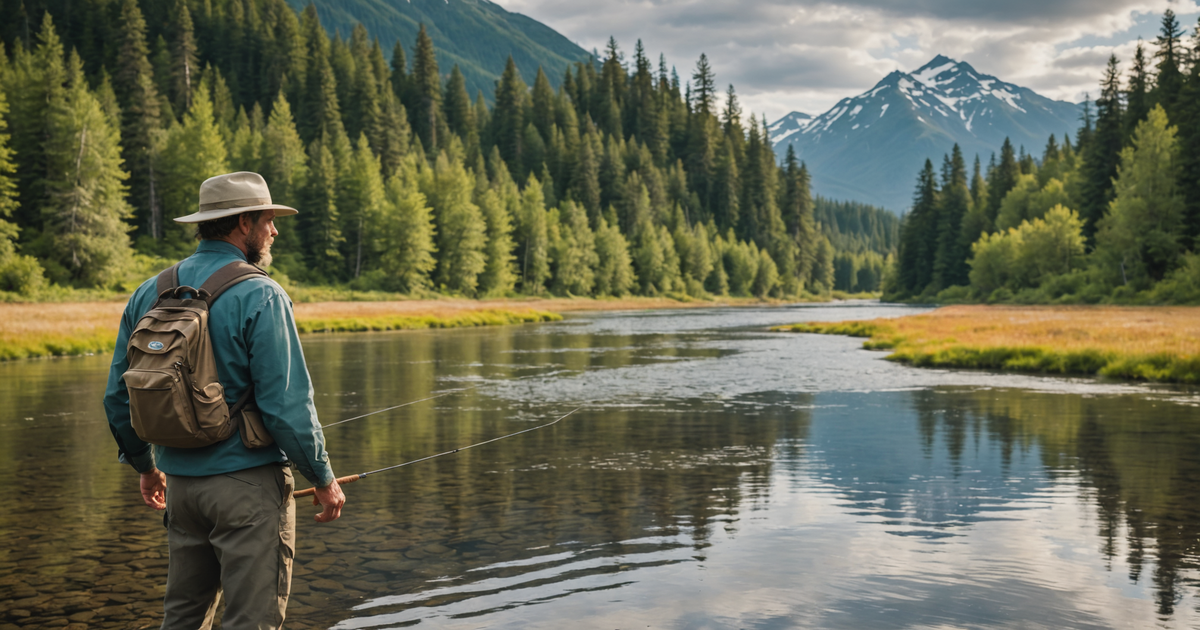
Fly fishing for salmon in Alaska is an unparalleled experience, one that draws anglers from around the globe to its pristine waters. Known for its breathtaking landscapes and abundant fish populations, Alaska offers a unique opportunity to engage with nature while pursuing one of the most prized catches—salmon. With guided trips from Anchorage, enthusiasts can embark on a journey that combines adventure, skill, and the serenity of the Alaskan wilderness. This blog post will explore the essentials of planning your fly fishing adventure in Alaska, offering insights into the best locations, techniques, and gear to optimise your experience. For more detail, see official guidance.
The Allure of Alaskan Salmon
Alaska is synonymous with salmon fishing, and for good reason. The state boasts five species of Pacific salmon: Chinook (King), Coho (Silver), Sockeye (Red), Pink (Humpy), and Chum (Dog). Each species has its own unique characteristics and peak seasons, making the pursuit of these fish both challenging and rewarding. For more detail, see further information.
Best Locations for Fly Fishing. For more detail, see detailed advice.
Alaska’s vast terrain offers numerous prime fly fishing spots. The Kenai Peninsula is a renowned destination, celebrated for its prolific salmon runs and accessible fishing sites. Discover the Kenai Peninsula to explore the best salmon fishing opportunities. For those based in Anchorage, the Anchorage area provides convenient access to nearby rivers and streams teeming with salmon. For more detail, see planning resources.
Guided Trips: A Worthwhile Investment. For more detail, see local insights.
For those new to fly fishing or unfamiliar with the Alaskan landscape, guided trips are highly recommended. Professional guides offer invaluable local knowledge, from understanding fish behaviour to identifying the best flies and techniques. They also ensure safety and compliance with local regulations, allowing you to focus solely on the thrill of fishing. For more information on planning your guided trip, explore guided fishing trips.
Essential Gear and Techniques
Equipping yourself with the right gear is crucial for a successful fly fishing trip. Essential items include a robust fly rod, reel, and a selection of flies that mimic the local baitfish and insects. Explore outdoor equipment to ensure you’re well-prepared for your adventure. Techniques such as dead drifting and swinging are effective in Alaskan waters, and understanding the nuances of each can greatly enhance your chances of a catch.
Understanding Salmon Behaviour
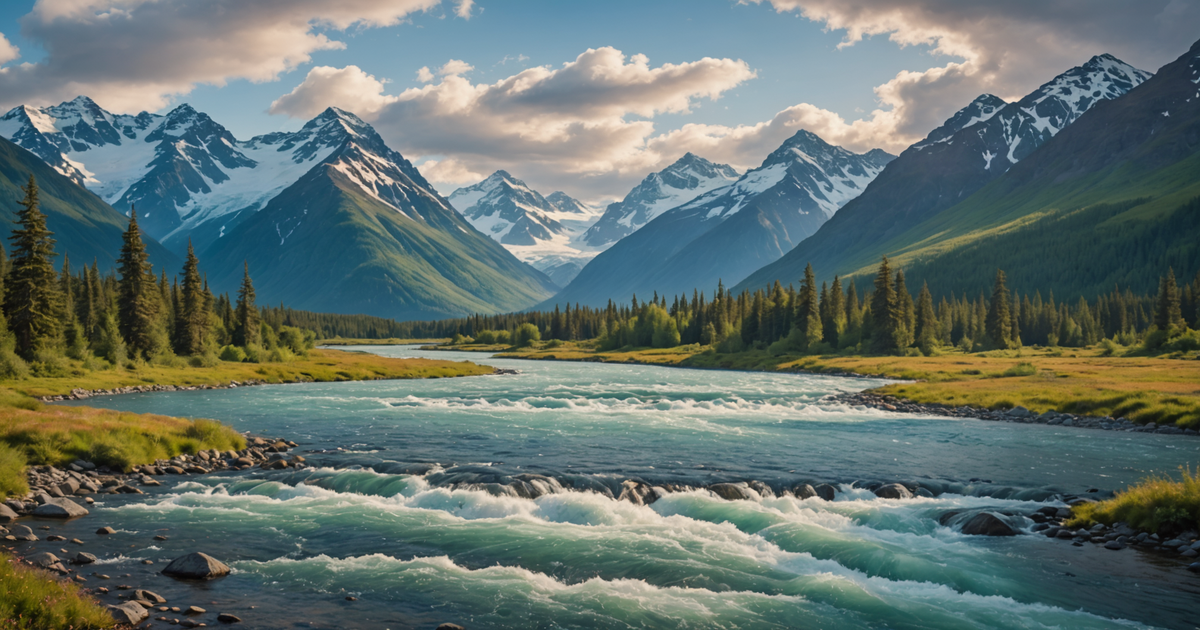
Salmon behaviour varies depending on the species and time of year. For instance, Chinook salmon are known for their strength and size, often requiring more robust tackle and techniques. Understanding the specific habits and habitats of each salmon species is key to a successful fishing trip. Learn more about salmon fishing to enhance your knowledge and skills.
Regulations and Conservation
Fishing in Alaska requires adherence to strict regulations designed to protect salmon populations and their habitats. It is essential to familiarise yourself with these regulations to ensure sustainable fishing practices. The Alaska Department of Fish and Game provides comprehensive guidelines on licensing, catch limits, and seasonal restrictions.
The Alaskan Experience: More Than Just Fishing
While fly fishing for salmon is undoubtedly the highlight, Alaska offers a plethora of other outdoor experiences. From exploring the stunning southern glaciers to embarking on dog sledding tours, the state is a haven for adventure seekers. Experience southern glaciers or plan a Matanuska Glacier excursion to complement your fishing trip.
Conclusion
Fly fishing for salmon in Alaska is more than just a pastime; it’s an immersive experience that connects you with nature’s raw beauty and power. Whether you’re a seasoned angler or a novice, the guidance of experienced professionals and the right preparation can ensure a successful and memorable adventure. With its rich biodiversity and stunning landscapes, Alaska remains a top destination for anglers worldwide.
FAQ
1. What is the best time of year for fly fishing for salmon in Alaska?
The prime fishing season in Alaska typically runs from May to September, with specific salmon species peaking at different times. For instance, King salmon are best caught in June, while Silver salmon peak in August.
2. Do I need a fishing licence in Alaska?
Yes, all anglers require a fishing licence in Alaska. You can obtain a licence through the Alaska Department of Fish and Game.
3. Are guided fishing trips worth it?
Absolutely. Guided trips offer expert knowledge, safety, and convenience, particularly for those unfamiliar with Alaskan waters. They are highly recommended for both beginners and seasoned anglers.
4. What gear should I bring for fly fishing in Alaska?
Essential gear includes a fly rod, reel, a variety of flies, waders, and appropriate clothing. Consider consulting an outdoor equipment guide for detailed recommendations.
5. Can I eat the salmon I catch?
Yes, but it’s important to follow local regulations regarding catch limits and preservation methods to ensure sustainability and safety.
6. Are there other activities to enjoy in Alaska besides fishing?
Certainly! Alaska offers a wide range of outdoor activities such as hiking, glacier tours, and wildlife viewing. Explore more options on Alaska travel.
7. What are some popular fly patterns for Alaskan salmon?
Popular fly patterns include egg imitations, streamers, and leeches. Each pattern mimics local prey and can vary depending on the salmon species and season.
8. How can I ensure a sustainable fishing practice?
Adhere to all local regulations, practice catch and release where possible, and ensure you leave no trace to protect the environment for future generations. For more information, visit the Leave No Trace website.