
Introduction
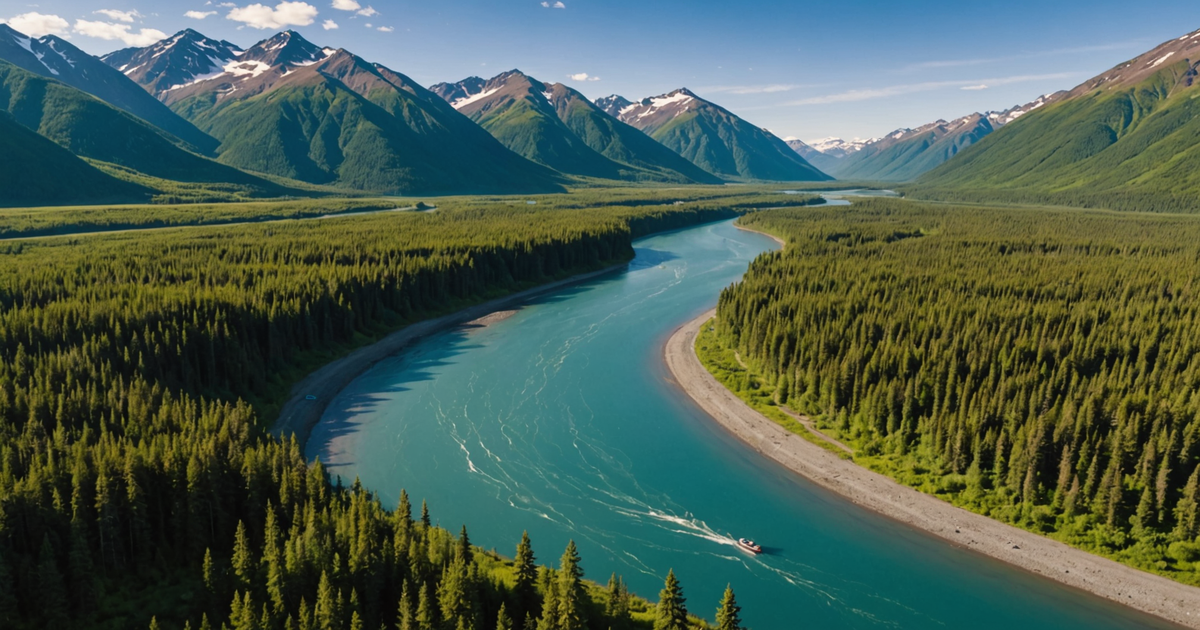
Chasing a big salmon catch in Alaska is a thrilling adventure that draws anglers from around the globe. The vast and pristine waters of Alaska provide the perfect backdrop for a fishing expedition that promises not only the chance to catch record-breaking salmon but also an unforgettable experience in the heart of nature’s grandeur. From the mighty rivers to coastal waters, Alaska’s fishing opportunities are unparalleled. In this comprehensive guide, we will explore where to find these salmon giants, the best times to fish, and the equipment you’ll need. Whether you’re a seasoned angler or a first-timer, this guide will equip you with the knowledge to make the most of your Alaskan fishing adventure. For more detail, see official guidance.
The Best Locations for Big Salmon Catch in Alaska
Alaska is home to several prime fishing locations renowned for their salmon populations. The Kenai River, for instance, is legendary for producing some of the largest King Salmon in the world. This river, located on the Kenai Peninsula, is a hotspot for anglers looking to land a trophy fish. The Kasilof River is another excellent location, offering a slightly more peaceful fishing experience with equally rewarding catches. For more detail, see further information.
For those interested in a more remote adventure, the Bristol Bay area is a prime destination. Known for its abundant salmon runs, Bristol Bay provides an opportunity to catch all five species of Pacific salmon. These waters are teeming with life, making it a paradise for anglers looking to achieve a big salmon catch. For more detail, see detailed advice.
Ideal Timing for Salmon Fishing
Timing is crucial when planning your fishing trip to Alaska. The salmon runs vary throughout the year, and understanding the best times to visit can significantly increase your chances of success. Typically, the King Salmon run peaks in June and July, while Silver Salmon are most abundant from August to September. For a comprehensive overview of fishing seasons, the Alaska Department of Fish and Game offers detailed information on peak times for various salmon species. For more detail, see planning resources.
Essential Equipment for Salmon Fishing
Equipping yourself with the right gear is key to a successful fishing expedition. A sturdy rod and reel, designed to handle the weight and power of large salmon, are essential. When selecting salmon hooks, consider the best salmon hooks for solid hook-ups to ensure your success. Additionally, investing in quality fishing clippers for a clean cut line can make your fishing experience smoother and more efficient. For more detail, see local insights.
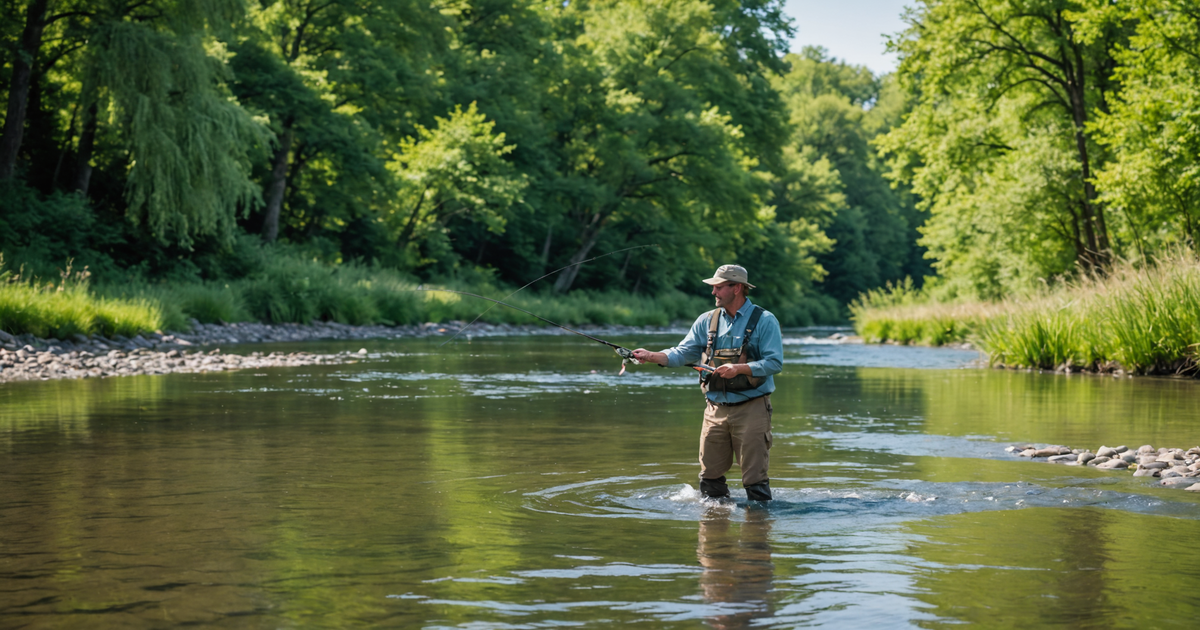
Waders and waterproof clothing are also recommended, as many of the best fishing spots require wading into rivers. For those unfamiliar with the terrain, guided tours, such as those offered by Alaska Adventure Guides, can provide valuable local knowledge and enhance your overall experience.
Regulations and Conservation
Understanding and adhering to local fishing regulations is vital to ensure sustainable fishing practices. Alaska has stringent guidelines to protect its natural resources, and knowing these will help you avoid fines and contribute to conservation efforts. The NOAA Fisheries provides comprehensive information on federally regulated fisheries. Moreover, the Alaska Department of Fish and Game’s regulations should be consulted before your trip.
Planning Your Adventure
Meticulous planning is essential for a successful fishing trip. Consider hiring a local guide who knows the waters and can help you navigate the best fishing spots. The Alaska Adventure Guides offer a variety of tours and can tailor your experience to match your skill level and interests. To maximise your time on the water, ensure your travel arrangements align with the salmon runs and book accommodations in advance, especially during peak fishing seasons.
Conclusion
Embarking on a quest for a big salmon catch in Alaska is more than just a fishing trip—it’s an adventure into the wild, where the thrill of the catch is matched by the beauty of the surroundings. With the right preparation, timing, and respect for local regulations, your Alaskan fishing journey can be both successful and sustainable. Whether you are aiming for a personal record or simply seeking the experience of a lifetime, Alaska’s waters are waiting to reward your efforts.
FAQ
1. What is the best time of year for a big salmon catch in Alaska?
The peak season for King Salmon is June to July, while Silver Salmon are most abundant from August to September. Check the Alaska Department of Fish and Game for detailed timing.
2. Do I need a fishing licence to fish in Alaska?
Yes, a fishing licence is required for all anglers in Alaska. Licences can be purchased online through the Alaska Department of Fish and Game.
3. Can I hire a guide for my fishing trip?
Absolutely, hiring a guide is recommended for newcomers and those unfamiliar with the area. Alaska Adventure Guides offer tailored fishing tours.
4. What equipment do I need for salmon fishing in Alaska?
Essential equipment includes a sturdy rod and reel, appropriate salmon hooks, and waterproof clothing. Resources on the best fishing equipment can be invaluable.
5. Are there catch limits for salmon in Alaska?
Yes, daily and annual catch limits are enforced to protect fish populations. Refer to the Alaska Department of Fish and Game regulations for specifics.
6. What are the main species of salmon found in Alaska?
Alaska is home to five main species: King, Silver, Sockeye, Pink, and Chum Salmon. Each has distinct runs and peak seasons.
7. How can I contribute to conservation while fishing?
Practicing catch and release, respecting local regulations, and minimizing environmental impact are key ways to support conservation efforts.
8. What should I do if I catch a record-breaking salmon?
If you’re lucky enough to catch a record-breaker, contact the Alaska Department of Fish and Game for information on official record submission.