
Introduction
The vast and vibrant marine ecosystem of Alaska is home to a wide array of fascinating species, including both sharks and salmon. However, many might wonder, “do sharks eat salmon?” This question opens a window into the intricate food webs that thrive in Alaska’s chilly waters. As we delve into the relationship between these two species, we also explore the broader context of Alaska’s marine life and the fishing opportunities that draw anglers from around the globe. Whether you’re planning a trip with Alaska Ocean Tours or simply intrigued by the natural world, understanding these dynamics can enhance your appreciation for this remarkable region. For more detail, see official guidance.
Sharks in Alaskan Waters
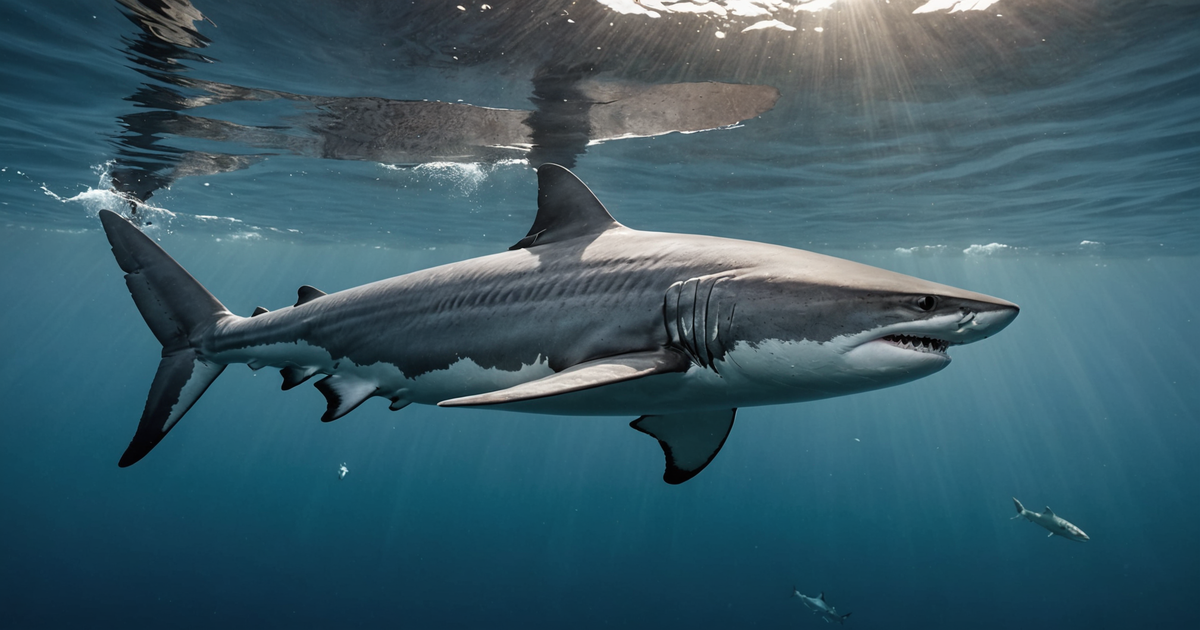
Sharks are often perceived as the apex predators of the ocean, and indeed, several species can be found in Alaskan waters. These include the formidable salmon shark, the Pacific sleeper shark, and occasionally, the great white shark. Each of these species has unique dietary preferences and hunting strategies. For example, the salmon shark is known for its remarkable speed and agility, often preying on salmon in the North Pacific. This close relationship between sharks and salmon is a key element of the marine ecosystem, influencing the population dynamics of both species. For more detail, see further information.
The Salmon’s Role in the Marine Food Chain. For more detail, see detailed advice.
Salmon, celebrated for their impressive spawning journeys, play a crucial role in the marine food web. They serve as a major food source for various predators, including bears, birds, and of course, sharks. The nutrient-rich waters of Alaska provide an ideal environment for salmon, supporting their life cycle from the freshwater streams to the open ocean and back again. Fishing in Alaska is heavily influenced by these migrations, with seasons and regulations designed to preserve this delicate balance. For more detail, see planning resources.
Do Sharks Eat Salmon?
Indeed, sharks do eat salmon, and this interaction is a natural part of the ecosystem. The salmon shark, in particular, is named for its preference for salmon, showcasing a highly developed predatory instinct. These sharks follow the salmon migrations, which can be observed during tours or fishing trips in Alaska. Understanding this predator-prey relationship offers valuable insights into the health of the ecosystem and the sustainability of fishing practices. For those planning to engage in salmon fishing in Alaska, recognising the presence of sharks can be both an exciting and educational experience. For more detail, see local insights.
Fishing Opportunities in Alaska
Alaska is renowned for its world-class fishing opportunities. Whether you’re a seasoned angler or a novice, the region offers a diverse range of experiences. From fly fishing for salmon to exploring remote rivers and lakes, there’s something for everyone. It’s important to be aware of local fishing regulations to ensure sustainable practices that protect the ecosystem. Guided tours, such as those offered by Alaska Ocean Tours, provide expert knowledge and maximise your chance of a successful catch while respecting the natural environment.
Conclusion
In conclusion, the question “do sharks eat salmon?” not only addresses a specific predator-prey relationship but also highlights the complexity and beauty of Alaska’s marine ecosystem. Sharks, salmon, and humans all play roles in this intricate web of life. By understanding these interactions, we can better appreciate and protect the ocean’s resources. Whether you’re an angler or a nature enthusiast, Alaska’s waters offer unparalleled opportunities for exploration and discovery.
FAQ
Q1: Are there specific types of sharks that prefer salmon over other prey?
A: Yes, the salmon shark is known for its preference for salmon, particularly during the salmon’s spawning migrations.
Q2: When is the best time to observe the interaction between sharks and salmon in Alaska?
A: The best time is during the salmon runs, typically from May through September, depending on the specific region and species of salmon.
Q3: Is it safe to fish for salmon in waters where sharks are present?
A: Yes, it is generally safe, but it is essential to follow local guidelines and regulations to ensure a safe and sustainable fishing experience.
Q4: Can I see sharks while on a fishing tour in Alaska?
A: While it’s possible, sightings are not guaranteed. Participating in a guided tour can increase your chances of encountering these incredible creatures.
Q5: How do sharks impact the salmon population in Alaska?
A: Sharks are natural predators and play a role in controlling the salmon population, which can help maintain the ecological balance.
Q6: Where can I find more information about fishing in Alaska?
A: Websites like Travel Alaska and Fish Alaska Magazine offer comprehensive resources and tips for planning your fishing trip.
Q7: What equipment do I need for salmon fishing in Alaska?
A: Basic equipment includes a rod and reel suitable for salmon, appropriate lures or bait, and a fishing licence. For more detailed information, check out our fishing gear guides.
Q8: Are there any conservation efforts in place to protect sharks in Alaska?
A: Yes, conservation efforts are in place to monitor and protect shark populations, ensuring they remain a vital part of the marine ecosystem.