
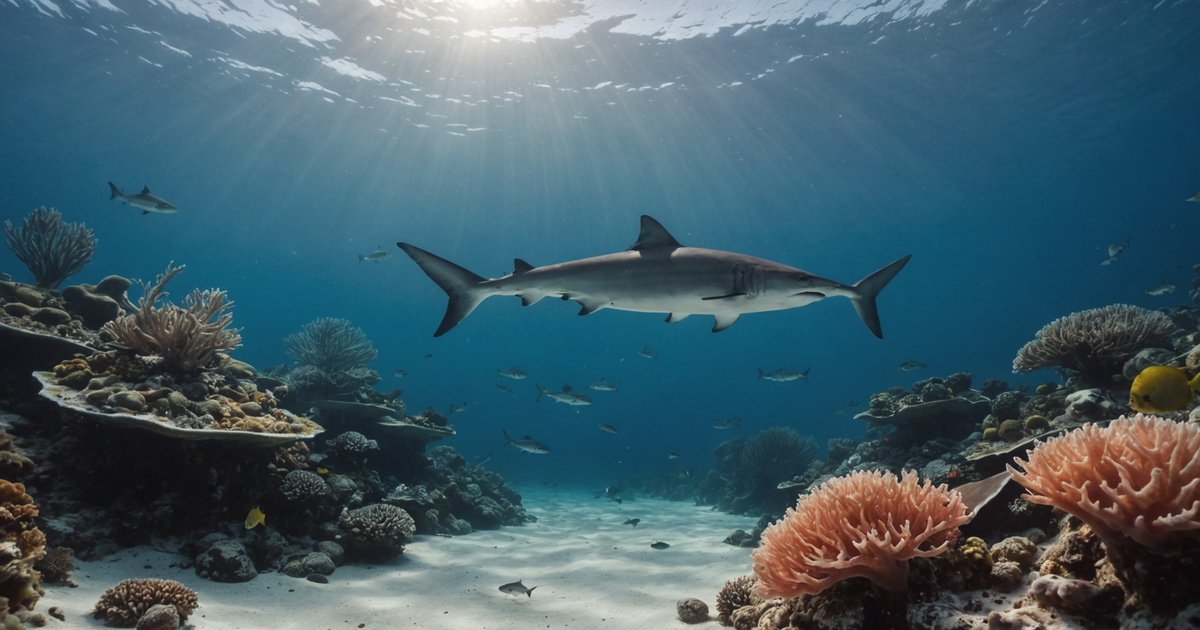
Salmon Shark Size | Explore Alaska. For more detail, see official guidance.
Introduction
Alaska, a land of icy glaciers and untamed wilderness, is home to a myriad of wildlife, including the enigmatic salmon shark. These fascinating creatures, often overshadowed by their more famous cousins, the great white sharks, possess intriguing traits of their own. One of the most compelling aspects of the salmon shark is its size. In this comprehensive guide, we will delve into the question: how big do salmon sharks get? We will also explore their behaviour, habitat, and the role they play in Alaska’s marine ecosystem. For more detail, see further information.
The Majesty of the Salmon Shark: How Big Do They Get?
Salmon sharks (Lamna ditropis) are part of the family Lamnidae, which also includes the great white and mako sharks. They are well-adapted to the cold waters of the North Pacific Ocean, from the Sea of Japan to the Gulf of Alaska. These sharks are known for their robust bodies and remarkable speed, but their size is truly noteworthy. For more detail, see detailed advice.
Average and Maximum Size. For more detail, see planning resources.
Salmon sharks typically measure between 6.5 and 8 feet in length, although some individuals can grow even larger. The maximum documented size of a salmon shark is approximately 10 feet, with some reports suggesting they can weigh up to 1,000 pounds. This impressive size positions them as one of the larger predatory fish in the North Pacific region. For more detail, see local insights.
Growth and Lifespan
The growth rate of salmon sharks is relatively fast, with juveniles maturing at around 4 to 5 years of age. They can live up to 25 years, although this lifespan may vary based on environmental factors and human impacts. Their growth and size are influenced by their diet, which primarily consists of Pacific salmon, squid, and other fish species.
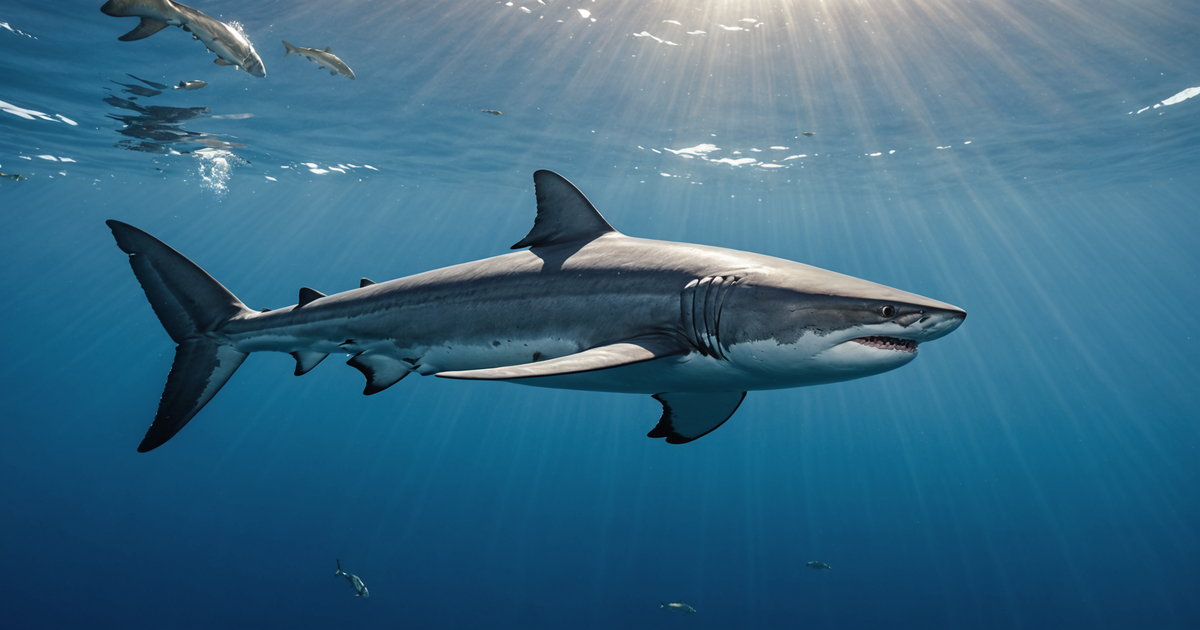
Habitat and Distribution
Salmon sharks are predominantly found in the temperate and subarctic waters of the North Pacific. They have a unique ability to regulate their body temperature, allowing them to thrive in colder environments where most other shark species cannot. This endothermic capability enables them to hunt in the nutrient-rich waters of Alaska, a feature shared with the great white shark.
Migration Patterns
These sharks are known for their extensive migratory behaviour, often travelling thousands of miles in search of prey and optimal breeding grounds. Their migration patterns are closely linked to the movements of Pacific salmon, their primary food source. As such, they can frequently be spotted near the coasts of Alaska, particularly during the salmon spawning season.
Role in the Ecosystem
Salmon sharks play a crucial role in maintaining the balance of the marine ecosystem. As apex predators, they help regulate the populations of their prey, ensuring that no single species dominates the food chain. This balance is essential for the health of the oceanic environment in Alaska.
For those interested in experiencing Alaska’s diverse wildlife, including the salmon shark, consider engaging with local wildlife tours to explore the natural habitats these creatures inhabit.
Behavioural Characteristics
Salmon sharks exhibit a range of behaviours that reflect their predatory nature and adaptability to the northern waters.
Hunting Techniques
Known for their speed and agility, salmon sharks are highly efficient hunters. They often employ ambush tactics, using their streamlined bodies to swiftly close in on prey. Their keen sense of smell and acute vision aid in detecting targets even in murky waters.
Social Structure
While not as sociable as some dolphin species, salmon sharks are occasionally observed in groups, particularly during feeding frenzies. These aggregations are typically temporary and form around abundant food sources such as schooling fish.
Conservation and Human Interaction
Despite their formidable appearance, salmon sharks face several threats, primarily from human activities. Commercial fishing and bycatch incidents pose significant risks to their populations. Conservation efforts are critical to ensuring their continued presence in Alaska’s waters.
Regulations and Conservation Efforts
Efforts to protect salmon sharks include implementing fishing regulations and promoting sustainable practices. Organisations like the Alaska Department of Fish and Game work to monitor shark populations and enforce regulations that limit bycatch.
For those planning a fishing trip in Alaska, it’s essential to stay informed about sport fishing regulations to ensure compliance and contribute to the conservation of these majestic creatures.
Conclusion
Understanding the size and ecological importance of salmon sharks enriches our appreciation for Alaska’s marine biodiversity. These remarkable predators, with their impressive size and adaptive behaviours, are integral to the oceanic landscapes they inhabit. By fostering awareness and supporting conservation efforts, we can help preserve the delicate balance of Alaska’s marine ecosystems.
For further insight into Alaska’s rich fishing traditions and wildlife, explore our travel guides to plan your next adventure.
FAQ
1. How big do salmon sharks get on average?
Salmon sharks typically reach lengths of 6.5 to 8 feet, although some individuals can grow up to 10 feet.
2. What do salmon sharks eat?
Their diet primarily consists of Pacific salmon, squid, and other fish species found in the North Pacific Ocean.
3. Where are salmon sharks commonly found in Alaska?
They are often seen in the temperate and subarctic waters of the North Pacific, especially near Alaska’s coasts during the salmon spawning season.
4. Are salmon sharks dangerous to humans?
Salmon sharks are generally not considered dangerous to humans. There are few recorded incidents of aggression towards people.
5. What is the lifespan of a salmon shark?
Salmon sharks can live up to 25 years, although this may vary due to environmental factors and human impacts.
6. How do salmon sharks regulate their body temperature?
They possess endothermic capabilities, allowing them to maintain a higher body temperature than the surrounding water, which aids in hunting in colder environments.
7. What conservation measures are in place for salmon sharks?
Conservation efforts include fishing regulations and sustainable practices to protect shark populations from overfishing and bycatch.
8. Can I see salmon sharks while visiting Alaska?
Yes, during certain times of the year, particularly when salmon are spawning, you may spot salmon sharks in Alaska’s coastal waters. Engaging in guided fishing charters can increase your chances of encountering them.