
Introduction
Alaska is renowned for its stunning landscapes and abundant wildlife, making it a dream destination for anglers. With its vast rivers, pristine lakes, and access to the ocean, the state offers some of the best salmon fishing in the world. However, understanding the regulations and limits regarding how many salmon you can keep is crucial for responsible fishing. This guide provides a comprehensive overview of the rules governing salmon catches in Alaska, ensuring you can plan your fishing adventure responsibly. For more detail, see official guidance.
Understanding Alaska’s Salmon Regulations
In Alaska, the responsibility of setting fishing regulations falls under the jurisdiction of the Alaska Department of Fish and Game. These rules are designed to maintain healthy fish populations and ensure sustainable fishing opportunities. Alaska boasts five species of Pacific salmon: King (Chinook), Sockeye (Red), Coho (Silver), Pink, and Chum. Each species has specific regulations regarding how many salmon you can keep, which vary by region and waterbody. For more detail, see further information.
King Salmon Limits. For more detail, see detailed advice.
King salmon, known for their impressive size, have stricter regulations compared to other salmon species. Anglers are typically allowed to keep one or two kings per day, depending on the region. For example, in Southeast Alaska, you are limited to one king salmon per day, with a total annual limit of three king salmon. It’s essential to check the current regulations for the specific area you plan to fish. For more detail, see planning resources.
Sockeye, Coho, Pink, and Chum Salmon Limits. For more detail, see local insights.
For sockeye, coho, pink, and chum salmon, the daily limits are generally more generous. Anglers can usually keep three to six fish per day of each species. However, these limits can vary significantly depending on the location and current fish populations. For instance, the Kenai River often has different rules than other areas, so always verify the local regulations before heading out.
Regional Variations and Specific Guidelines
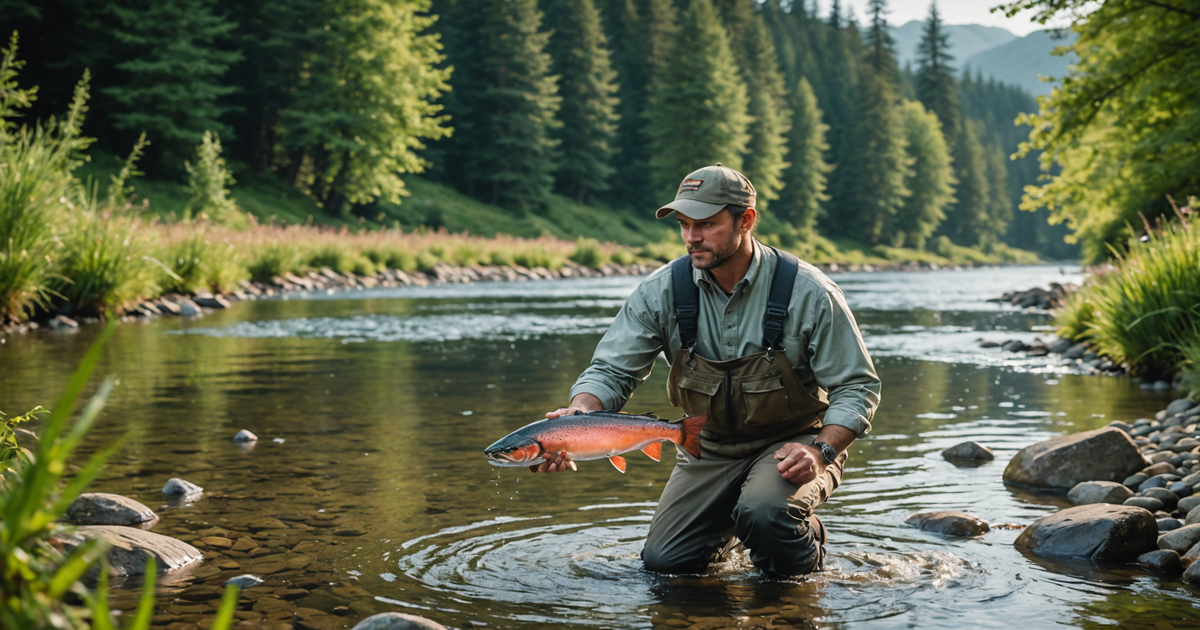
Alaska’s vastness means that fishing regulations can differ considerably between regions, such as Southeast, Southcentral, and Interior Alaska. The Alaska Department of Fish and Game provides detailed information on these regional differences and updates them regularly based on fish populations and environmental conditions.
Southeast Alaska
In Southeast Alaska, the regulations are often stricter due to the popularity of fishing in this area. Anglers should be aware of specific seasonal closures and restrictions. Here, the use of certain types of gear may be limited, and catch-and-release practices may be encouraged to protect the fish stocks.
Southcentral Alaska
Southcentral Alaska, home to the Kenai Peninsula and Prince William Sound, is a prime fishing destination. Regulations here are generally more lenient, but they still require vigilance. It’s advisable to familiarise yourself with specific fishing guides to navigate the local rules effectively.
Interior Alaska
Inland regions such as Interior Alaska offer unique opportunities to fish in less crowded waters. The rules here might be more flexible, but the remoteness of the area demands adherence to subsistence regulations that ensure the sustainability of fish populations for future generations.
Best Practices for Responsible Fishing
To fish responsibly in Alaska, it’s crucial to follow best practices. Always carry a valid fishing licence, available through the Alaska Department of Fish and Game. Practise catch-and-release when appropriate, especially for species with lower population levels. Using appropriate gear like those found at the Alaska Salmon Candy Tackle Shop can also enhance your fishing experience while ensuring compliance with regulations.
Conclusion
Fishing for salmon in Alaska is a thrilling experience, but it comes with the responsibility to adhere to state regulations and limits. Understanding how many salmon you can keep and being mindful of regional differences ensures that you contribute to the sustainability of Alaska’s vibrant fishing ecosystem. Whether you’re fishing for sport or subsistence, it’s essential to stay informed and prepared for the best possible angling adventure.
FAQ
How do I obtain a fishing licence in Alaska?
Fishing licences can be purchased online through the Alaska Department of Fish and Game website or at local vendors throughout the state.
Can I keep all the salmon I catch?
No, you must adhere to the daily and annual limits set by the Alaska Department of Fish and Game, which vary by species and region.
Are there any catch-and-release regulations?
Yes, certain regions may require catch-and-release for certain species or during specific times to protect fish populations. Always check the local regulations before fishing.
What is the best time of year to fish for salmon in Alaska?
The prime salmon fishing season runs from May through September, though specific times can vary by species and region. For detailed planning, visit Travel Alaska.
Where can I find guided fishing tours in Alaska?
Many companies offer guided fishing tours. For a comprehensive list, check the Alaska Adventure Guides for options tailored to your needs.
What equipment do I need for salmon fishing?
Basic equipment includes a rod, reel, tackle, and appropriate bait. For more specialised gear, consider exploring outdoor equipment guides to enhance your fishing setup.
Are there any specific rules for fishing in national parks?
Yes, fishing in national parks such as Wrangell-St. Elias may have additional regulations. Always check with park authorities for any special rules.
How does weather affect salmon fishing in Alaska?
Weather can significantly impact fishing conditions. It’s advisable to check the National Weather Service for up-to-date forecasts before planning your trip.