
Introduction
Fishing for salmon in Alaska is a revered pastime, drawing anglers from across the globe to its pristine waters. Among the various techniques employed, the use of a mooching rig stands out for its simplicity and effectiveness. This long-form blog post will guide you through everything you need to know about using a mooching rig for salmon, empowering you to fish Alaska waters like a pro. For more detail, see official guidance.
Understanding the Mooching Rig
A mooching rig is a straightforward fishing setup often used in the Pacific Northwest and Alaska to target salmon species such as Chinook and Coho. The rig consists of a main line, a weight, a swivel, and a leader with a baited hook. It’s designed to present bait naturally in the water, mimicking the movement of injured baitfish—a favourite meal for predatory salmon. For more detail, see further information.
Components of a Mooching Rig. For more detail, see detailed advice.
-
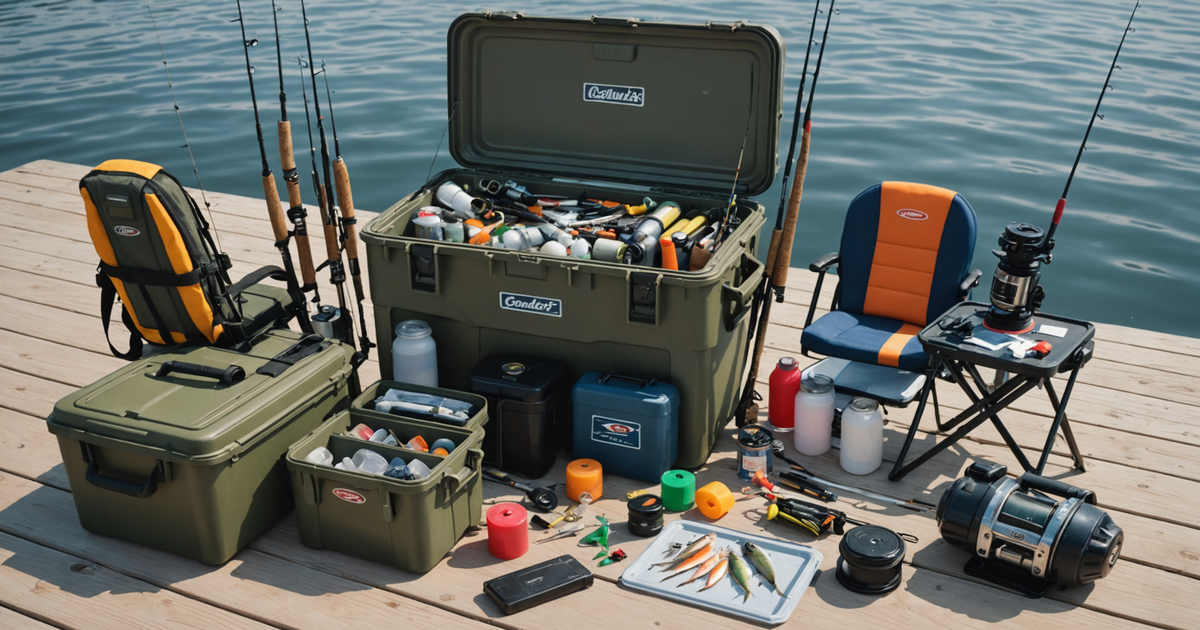
Rod and Reel: A medium to heavy-action rod paired with a level wind reel is ideal. This setup provides the necessary power and control to handle large salmon. For more detail, see planning resources.
-
Line: Use a durable monofilament or braided line, typically rated between 15 to 30 pounds depending on the target species and water conditions. For more detail, see local insights.
-
Weight: A cannonball weight, ranging from 2 to 8 ounces, is attached to reach the desired depth and combat strong currents.
-
Swivel: A swivel helps prevent line twists that can occur due to the bait’s spinning action.
-
Leader and Hooks: A fluorocarbon leader (20 to 30 pounds) with a double hook setup increases the chances of a successful hook-up.
-
Bait: Herring is the bait of choice, thanks to its natural oil and scent that attract salmon.
Setting Up Your Mooching Rig
Begin by threading your main line through the rod guides and attaching a cannonball weight. Tie a swivel to the end of the line, which will act as a connection point for the leader. The leader should be around 6 to 8 feet long, allowing the bait to move naturally. Rig the herring by threading the hooks through its nose and back, ensuring it spins in the water.
Techniques for Effective Mooching
While mooching involves drifting with the current and allowing the bait to spin naturally, there are a few techniques that can enhance success:
- Depth Control: Adjust the weight to maintain the bait at the desired depth where salmon are feeding.
- Line Management: Keep a close eye on the line tension to detect subtle bites.
- Drift Speed: Match the speed of your drift to the current for a natural presentation.
Best Locations for Mooching in Alaska
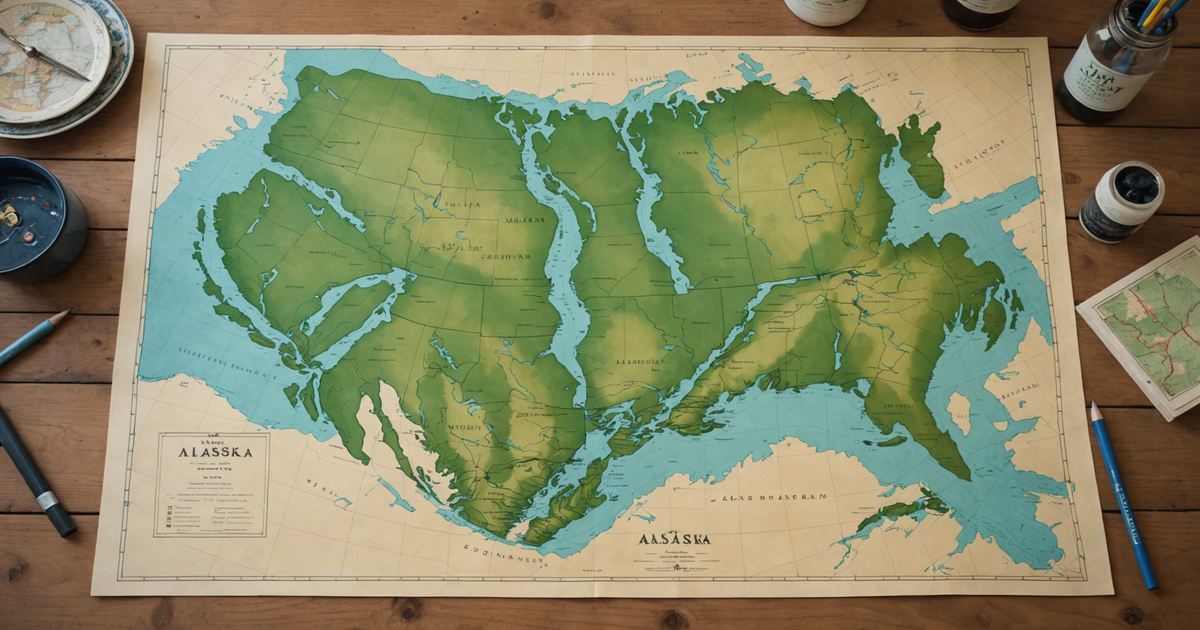
Alaska boasts numerous prime spots for salmon fishing, each offering unique challenges and rewards. Kenai River, renowned for its abundant salmon runs, is a popular choice learn more. Additionally, Prince William Sound and the waters around Kodiak Island provide excellent opportunities for mooching enthusiasts.
Regulations and Safety Considerations
Before embarking on your mooching adventure, it’s crucial to familiarise yourself with local fishing regulations. The Alaska Department of Fish and Game provides comprehensive resources and updates on fishing seasons, limits, and licensing requirements. Always prioritise safety by wearing life jackets and being mindful of weather conditions, which can change rapidly in Alaskan waters.
Conclusion
Mooching for salmon in Alaska is not only a rewarding experience but also an opportunity to connect with nature in a breathtaking setting. By understanding the components and techniques of a mooching rig, you can increase your chances of a successful catch. Whether you’re a seasoned angler or a newcomer to Alaskan fishing, the thrill of reeling in a mighty salmon is unparalleled.
FAQ
What is a mooching rig for salmon?
A mooching rig is a fishing setup used to present bait naturally to salmon, typically consisting of a main line, weight, swivel, leader, and hook with bait.
Where can I fish for salmon in Alaska?
Popular locations include Kenai River, Prince William Sound, and the waters around Kodiak Island. For more detailed guidance, check out this travel guide.
What bait should I use with a mooching rig?
Herring is the preferred bait due to its natural scent and oil, which effectively attract salmon.
How do I ensure my bait spins correctly?
Rig the herring by threading the hooks through its nose and back, allowing it to spin naturally in the water.
Are there any fishing regulations I need to be aware of in Alaska?
Yes, regulations are enforced to ensure sustainable fishing practices. Visit the Alaska Department of Fish and Game for current rules and requirements.
Can I use a mooching rig for other fish species?
While primarily designed for salmon, a mooching rig can be adapted to target other predatory fish found in similar environments.
What is the best time of year for salmon fishing in Alaska?
Salmon runs occur at different times, with peak seasons varying by location. For trophy catches, consider the insights from this seasonal guide.
How can I prepare for a fishing trip to Alaska?
Planning is key. Consider reading tips for planning a successful fishing vacation to ensure a well-rounded experience.