
Introduction
Alaska, with its expansive and pristine wilderness, offers a unique fishing experience for both novice and seasoned anglers. Among the various species that thrive in these waters, the pink salmon stands out, particularly the female pink salmon, known for its distinct life cycle and ecological significance. This article delves into the characteristics of the pink salmon female, how to fish responsibly in Alaska’s waters, and why this species is a favourite among anglers. . For more detail, see official guidance.
Whether you’re planning a trip to the Last Frontier or simply curious about this fascinating fish, understanding the nuances of the pink salmon female will enhance your appreciation of Alaska’s vibrant aquatic life. For more detail, see further information.
Understanding Pink Salmon
Pink salmon, also known as humpback salmon due to the distinctive hump that males develop during spawning, are the smallest and most abundant of the Pacific salmon species. The scientific name for pink salmon is Oncorhynchus gorbuscha, and they have a short life cycle, typically lasting only two years. This rapid lifecycle makes them unique among salmon species and presents specific ecological and environmental roles in the Alaskan ecosystem. For more detail, see detailed advice.
Lifecycle and Characteristics of the Pink Salmon Female. For more detail, see planning resources.
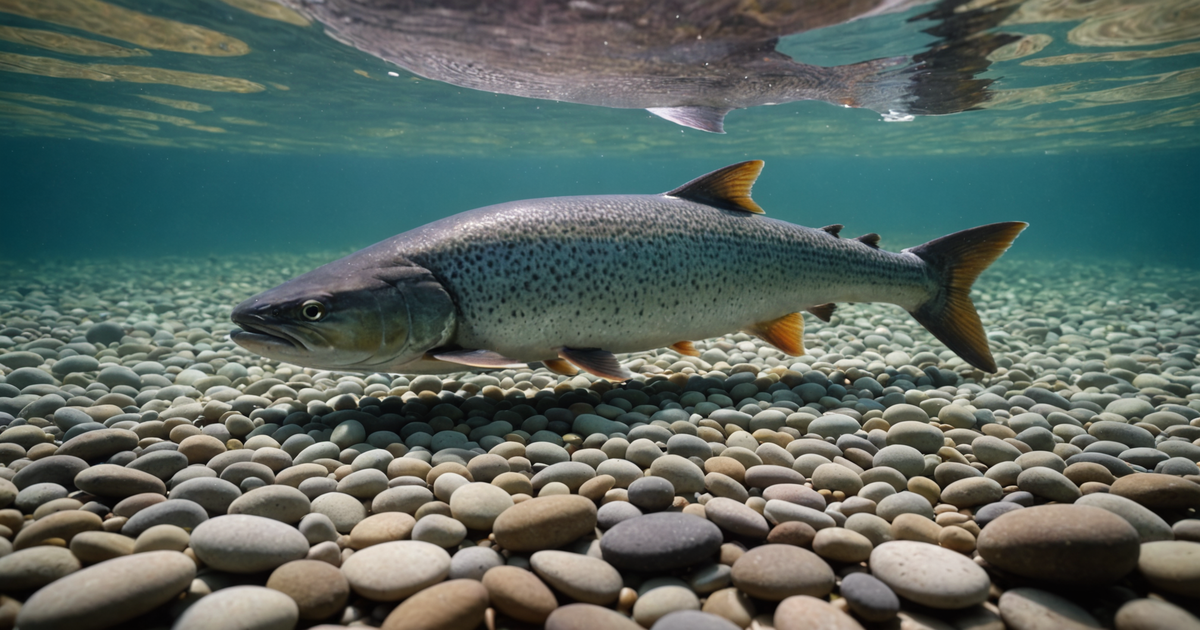
Pink salmon females are integral to the reproduction and sustainability of the species. After hatching in freshwater streams, pink salmon fry quickly migrate to the ocean where they mature. Upon reaching adulthood, they return to their natal streams to spawn. The females create nests, known as redds, in the gravel beds of rivers, where they lay thousands of eggs. This process is vital for maintaining the salmon population and supporting the broader ecological community. For more detail, see local insights.
The female pink salmon is distinguishable from males by its more streamlined body and lack of the pronounced hump. During the spawning season, their colouring transforms, showcasing vibrant hues that signal their readiness to spawn. Understanding these characteristics is crucial for responsible fishing and conservation efforts.
Fishing for Pink Salmon in Alaska
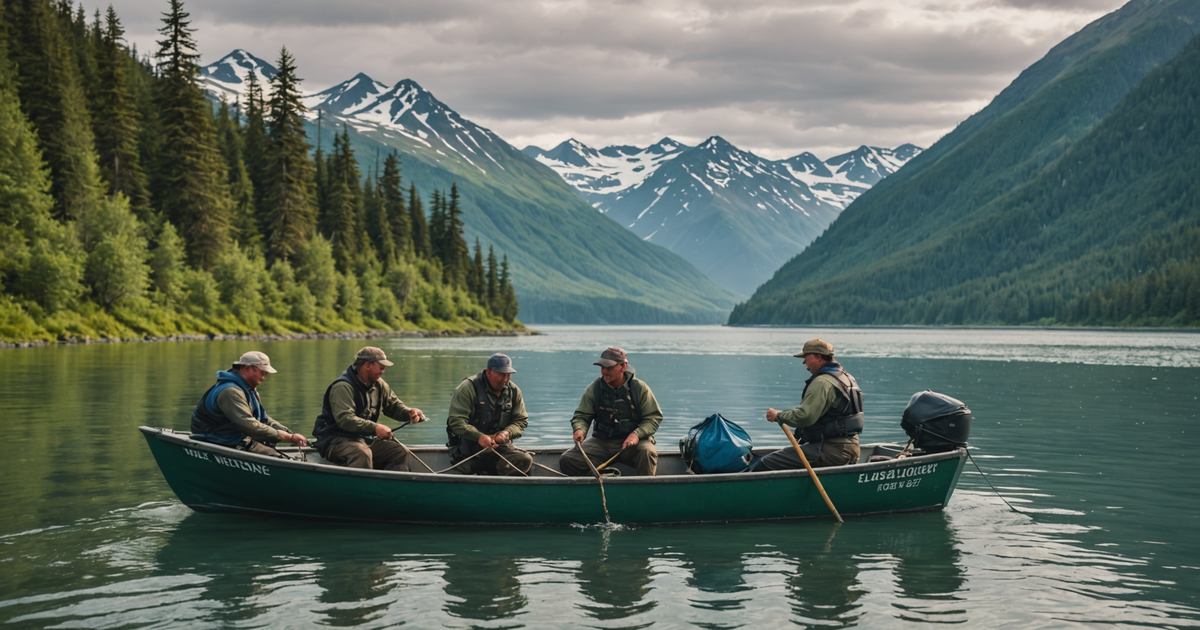
Fishing for pink salmon in Alaska is a rewarding experience, offering anglers a chance to engage with one of nature’s most impressive reproductive migrations. To fish responsibly, it is essential to be aware of the fishing regulations and guidelines set forth by the Alaska Department of Fish and Game.
Regulations and Responsible Fishing Practices
To protect salmon populations and ensure sustainable fishing, the Alaska Department of Fish and Game provides specific regulations regarding fishing seasons, catch limits, and gear restrictions. It is vital for anglers to familiarise themselves with these rules before embarking on a fishing trip.
Additionally, adhering to Leave No Trace principles when fishing ensures minimal impact on the environment. This includes disposing of waste properly, respecting wildlife, and being considerate of other visitors.
Ecological Importance of Female Pink Salmon
The role of female pink salmon goes beyond reproduction. Their presence in the ecosystem supports a wide array of wildlife, including bears, birds, and other fish species. The nutrients from decomposing salmon carcasses enrich the surrounding environment, enhancing the growth of aquatic plants and providing food for other organisms.
Impact on Local Communities
In Alaska, salmon fishing is more than a recreational activity; it is a significant cultural and economic contributor. The subsistence fishing programs ensure that local communities can maintain their traditional lifestyles and support their economies through sustainable practices.
Planning Your Fishing Trip
Planning a fishing trip to Alaska involves more than just packing your rod and reel. To optimise your experience, consider the following:
- Best Time to Visit: The peak season for pink salmon fishing is typically from July to September. Understanding the best time to catch halibut and other species can also enhance your trip.
- Charter Services: Utilising local fishing charters can provide insights into the best fishing spots and techniques.
- Accommodations and Logistics: Resources such as Travel Alaska and Tripadvisor offer comprehensive guides to lodging and travel logistics.
Conclusion
Fishing for female pink salmon in Alaska is an enriching experience that offers insight into the delicate balance of nature. By understanding the lifecycle and importance of this species, anglers can contribute to conservation efforts while enjoying the thrill of the catch. Whether you’re a seasoned angler or new to the sport, Alaska’s waters promise adventure and discovery.
FAQ
What is the best time to fish for pink salmon in Alaska?
The best time to fish for pink salmon is typically from July to September, during their spawning migration.
How can I identify a female pink salmon?
Female pink salmon are generally more streamlined and lack the pronounced hump that males develop. During spawning, they exhibit vibrant colour changes.
What are the fishing regulations in Alaska?
Fishing regulations, including seasons and catch limits, are detailed by the Alaska Department of Fish and Game. It is crucial to review these before fishing.
Why are female pink salmon important to the ecosystem?
Female pink salmon contribute significantly to the ecosystem by laying eggs that sustain the salmon population and providing nutrients to their environment.
What gear should I use for pink salmon fishing?
Using appropriate jig heads and setups can enhance your fishing experience. For more information, visit this guide.
Are there guided fishing trips available in Alaska?
Yes, there are numerous guided trips available. Resources such as Alaska Adventure Guides can help you find the right package.
How can I support sustainable fishing practices?
Educating yourself on regulations, practising catch and release, and following environmental guidelines are all ways to support sustainable fishing. Visit Leave No Trace for further guidance.
Can I eat the pink salmon I catch?
Yes, pink salmon are edible and popular in various culinary dishes. For recipe ideas, explore Alaskan cuisine.