
Introduction
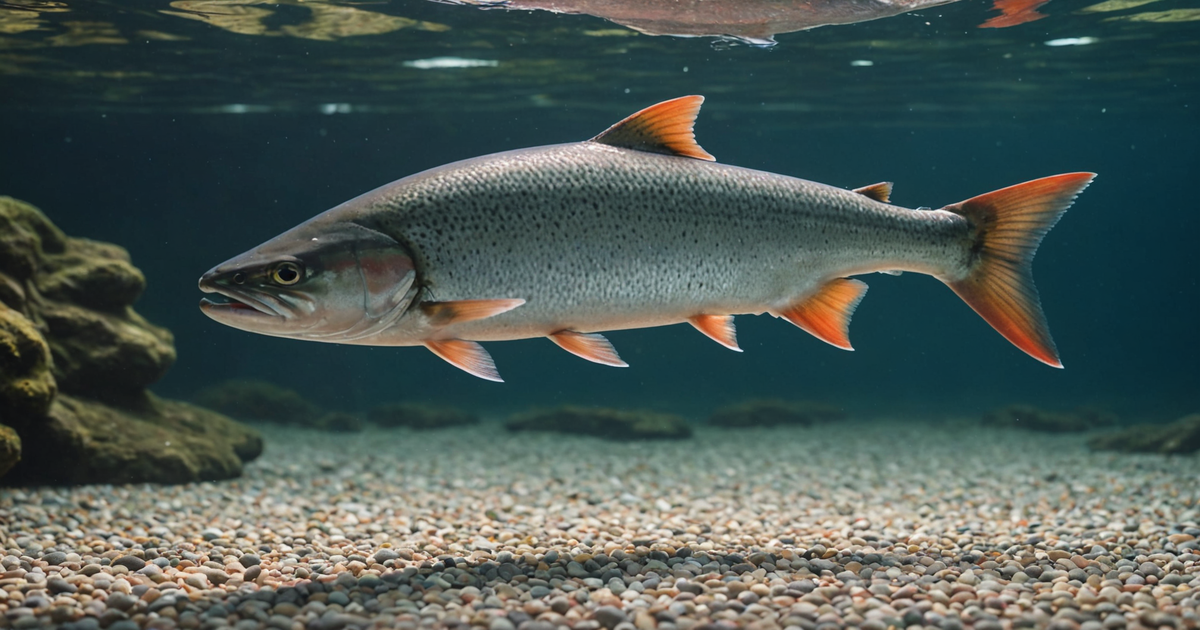
Pink salmon, or Oncorhynchus gorbuscha, are a vital species in the Alaskan ecosystem and a significant contributor to the state’s fishing industry. Known for their distinctive two-year life cycle, pink salmon have a unique reproductive process that influences the timing and strategies of fishing seasons in Alaska. This article delves into the fascinating world of pink salmon reproduction, exploring the stages from spawning to the emergence of new generations, and how these processes shape the fishing landscape in Alaska. For more detail, see official guidance.
The Life Cycle of Pink Salmon
Pink salmon, often referred to as humpback salmon due to the pronounced hump that males develop during spawning, follow a strict two-year life cycle. This cycle ensures that odd-year and even-year populations are distinct, with little interbreeding. Understanding this life cycle is crucial for both conservation efforts and the fishing industry. For more detail, see further information.
Spawning Grounds. For more detail, see detailed advice.
Pink salmon are anadromous, meaning they migrate from the ocean to freshwater streams and rivers to spawn. In Alaska, this typically occurs between late June and early September. The fish return to the streams where they were born, guided by an innate ability to detect the unique chemical signature of their natal waters. For more detail, see planning resources.
Once in the freshwater environment, female pink salmon select a suitable site to lay their eggs. These sites are often in gravel beds with sufficient water flow to provide oxygen to the developing embryos. The females use their tails to dig nests, or redds, where they will deposit their eggs. For more detail, see local insights.
Mating and Egg Laying
The mating process is an intricate dance of nature. Males vie for the attention of females by displaying their vibrant colours and the characteristic humpback. Once a male has secured a mate, he fertilises the eggs as the female lays them in the redd. Each female can lay between 1,200 to 1,900 eggs, depending on her size and health.
Development and Emergence
After fertilisation, the eggs incubate in the gravel for several months. The timing of hatching is influenced by water temperature; colder waters can extend the incubation period. As the embryos develop, they rely on the yolk sac for nutrition until they are ready to emerge as fry.
The emergence of fry typically occurs between March and May. Unlike other salmon species, pink salmon fry do not spend extended periods in freshwater. Instead, they quickly make their way downstream to estuaries and eventually the open ocean, where they will spend the majority of their two-year lifespan.
The Role of Pink Salmon in Alaska’s Fishing Seasons
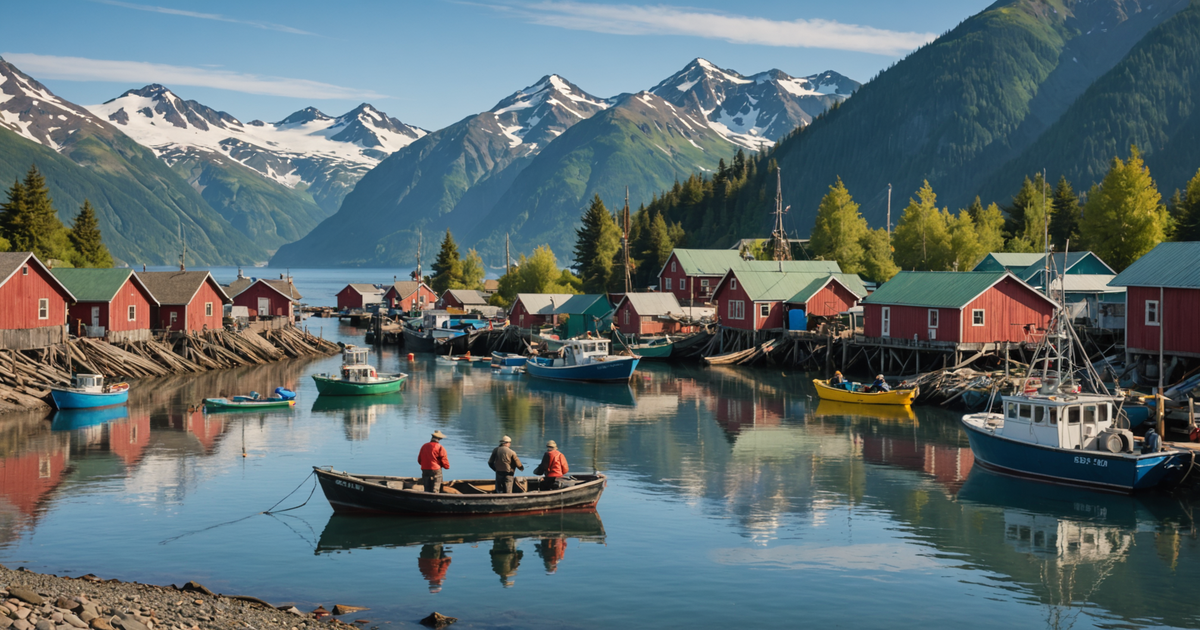
Pink salmon’s unique reproductive cycle plays a significant role in shaping Alaska’s fishing seasons. The predictability of their life cycle allows for sustainable management of the fisheries, ensuring that both odd-year and even-year populations are harvested without endangering future stocks.
Fishing Regulations and Conservation
The Alaska Department of Fish and Game (ADF&G) closely monitors pink salmon populations to maintain a balance between commercial interests and conservation. Regulations are in place to manage fishing efforts, including restrictions on the timing and methods of capture. These efforts are critical in preserving the delicate balance of Alaska’s aquatic ecosystems. For more detailed information on fishing regulations, visit the ADF&G fishing regulations.
Economic and Cultural Importance
Pink salmon are not only crucial for biodiversity but also for the economic and cultural fabric of Alaska. They support commercial fisheries, which are a significant part of the state’s economy, providing jobs and resources for local communities. Moreover, pink salmon are a staple in the diet and traditions of Indigenous peoples in the region.
For those interested in learning more about angling techniques that are specific to pink salmon or exploring Alaska’s fishing opportunities, Travel Alaska offers a wealth of resources.
Conclusion
The reproduction of pink salmon is a fascinating natural process that profoundly impacts Alaska’s fishing seasons and ecosystems. Their strict two-year life cycle necessitates careful management to ensure sustainable populations and continued economic benefits. By understanding the nuances of pink salmon reproduction, anglers and environmentalists alike can appreciate the delicate balance required to maintain this vital species.
For more information on fishing tours in Alaska or to plan your own adventure, consider exploring Alaska Adventure Guides’ range of guided fishing tours.
FAQ
What is the typical lifespan of a pink salmon?
Pink salmon have a strict two-year life cycle, meaning they are born, mature, and die within two years, with no overlap between odd-year and even-year generations.
Why are pink salmon also known as humpback salmon?
Male pink salmon develop a pronounced hump on their back during the spawning season, which gives rise to their nickname, “humpback salmon.”
How do pink salmon find their way back to their natal streams?
Pink salmon use a combination of environmental cues, including the unique chemical signature of their birth stream, to navigate back to their spawning grounds.
What is the significance of pink salmon to Alaska’s economy?
Pink salmon are vital to Alaska’s commercial fishing industry, contributing significantly to the economy and providing jobs and resources for local communities.
Are there specific regulations for fishing pink salmon in Alaska?
Yes, the Alaska Department of Fish and Game implements regulations to manage pink salmon fisheries sustainably. These include restrictions on fishing methods and timings to ensure healthy populations.
When is the best time to fish for pink salmon in Alaska?
The peak fishing season for pink salmon in Alaska typically occurs from late June to early September, coinciding with their spawning migration.
How many eggs does a female pink salmon typically lay?
A female pink salmon can lay between 1,200 to 1,900 eggs, depending on her size and health.
Where can I learn more about sustainable fishing practices in Alaska?
For insights into sustainable fishing practices, consider visiting Alaska Adventure Guides’ section on sustainable practices.