
Introduction
Fishing for pink salmon in Alaska is a thrilling experience that attracts anglers from around the globe. Known for their distinctive colouring and energetic fights, pink salmon, or “humpies,” are a popular target for both novice and seasoned fishermen. One of the key aspects of planning a successful fishing trip is understanding the pink salmon size, as it influences the type of equipment you’ll need and the fishing techniques to employ. This comprehensive guide will delve into the typical size of pink salmon, where to catch them in Alaska, and essential tips for your fishing adventure. For more detail, see official guidance.
Understanding Pink Salmon Size
Average Size and Weight. For more detail, see further information.
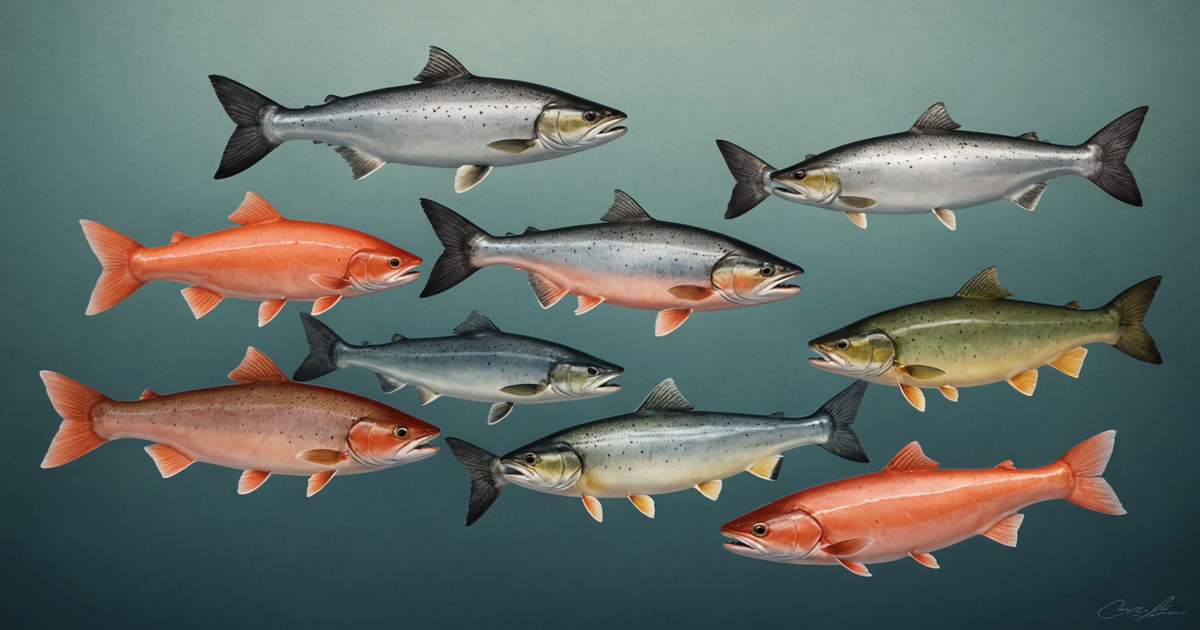
Pink salmon, the smallest of the Pacific salmon species, typically weigh between 3 to 5 pounds and measure around 20 to 25 inches in length. These fish are known for their rapid growth cycle, as they mature and spawn within two years. Despite their smaller size compared to other salmon species like Chinook or Coho, pink salmon are highly valued for their abundance and the fight they put up when hooked. For more detail, see detailed advice.
Factors Influencing Size. For more detail, see planning resources.
The size of pink salmon can vary based on several factors, including environmental conditions, available food sources, and genetic differences among populations. In general, pink salmon found in nutrient-rich waters tend to grow larger. Additionally, the time of year can impact their size, with those caught later in the season often being more robust as they prepare for spawning. For more detail, see local insights.
Comparison with Other Salmon Species
When compared to other Pacific salmon, pink salmon are notably smaller. For instance, a typical Chinook salmon can weigh upwards of 30 pounds, while Coho salmon may reach 12 pounds. Despite their smaller stature, pink salmon are a favourite due to their accessible size, making them an ideal choice for anglers of all skill levels.
Best Locations to Catch Pink Salmon in Alaska
Prime Fishing Spots
Alaska’s vast and pristine waters offer numerous opportunities to catch pink salmon. Some of the top locations include the Kenai Peninsula, Prince William Sound, and the Tongass National Forest. Each of these areas provides a unique fishing experience, with abundant salmon runs and breathtaking natural scenery.
For those interested in exploring the Anchorage area, the Ship Creek is a popular spot known for its accessibility and substantial salmon runs. Meanwhile, the Chulitna River offers a more secluded experience, ideal for anglers seeking solitude amidst nature.
Timing Your Trip
The best time to fish for pink salmon in Alaska is during their spawning season, which typically occurs from July to September. During this period, salmon return to freshwater streams and rivers, making them easier to catch. Planning your trip during these months will increase your chances of a successful fishing experience.
For more detailed planning, consider consulting resources such as Travel Alaska or My Alaskan Fishing Trip for insights into the best times and locations for fishing.
Essential Gear and Techniques
Fishing Equipment
Given their size, pink salmon require relatively light tackle. A medium-action rod paired with a spinning reel is ideal for these fish. Line weights of 8 to 12 pounds are typically sufficient, allowing for a good balance between strength and sensitivity.
For those interested in learning more about fishing setups, this guide on jig heads and setups provides valuable insights into choosing the right equipment for your Alaskan fishing adventure.
Techniques for Success
Fishing for pink salmon can be done using various methods, including fly fishing, spinning, and trolling. Fly fishing is particularly popular, with anglers using brightly coloured flies to attract the fish. When using spinning gear, lures such as spoons and spinners in pink or chartreuse colours are effective at enticing strikes.
Understanding the local regulations is crucial, and anglers should refer to the Alaska Department of Fish and Game for the latest rules and guidelines on sport fishing in Alaska.
Conclusion
Fishing for pink salmon in Alaska is a rewarding endeavour that offers a blend of challenge and enjoyment. By understanding the typical size of pink salmon and selecting the right locations and gear, you can maximise your chances of a successful catch. Whether you’re venturing to the Raven Glacier or exploring the outdoor activities available throughout Alaska, the experience promises to be unforgettable.
FAQ
What is the average size of pink salmon in Alaska?
The average size of pink salmon in Alaska is 3 to 5 pounds in weight and 20 to 25 inches in length.
Where are the best places to fish for pink salmon in Alaska?
Top locations include the Kenai Peninsula, Prince William Sound, and the Tongass National Forest. Ship Creek in the Anchorage area is also a popular spot.
What gear is recommended for pink salmon fishing?
A medium-action rod with a spinning reel, and line weights of 8 to 12 pounds, are ideal for pink salmon fishing.
What time of year is best for catching pink salmon in Alaska?
The best time to catch pink salmon is during their spawning season, from July to September.
How do pink salmon compare in size to other salmon species?
Pink salmon are smaller than other species like Chinook or Coho salmon, typically weighing 3 to 5 pounds compared to 30 pounds for Chinook.
What fishing techniques work best for pink salmon?
Fly fishing, spinning, and trolling are effective methods. Brightly coloured flies and lures such as spoons and spinners are recommended.
Are there regulations I should be aware of when fishing for pink salmon in Alaska?
Yes, consult the Alaska Department of Fish and Game for the latest sport fishing regulations in Alaska.
Can I fish for pink salmon on a DIY trip?
Absolutely, a DIY fishing trip is feasible in Alaska, provided you are well-prepared and informed about local conditions and regulations.