
Introduction
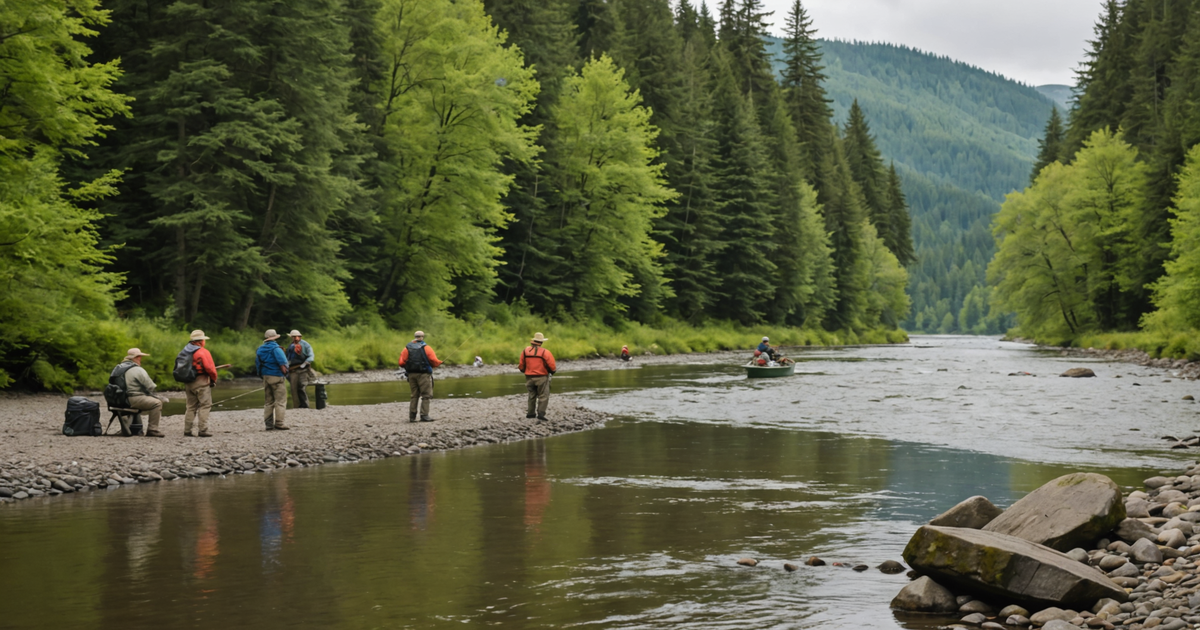
The majestic state of Alaska is renowned for its stunning natural beauty and abundant wildlife, but perhaps one of its most captivating events is the annual red salmon run. This natural spectacle draws anglers and nature enthusiasts from around the globe, eager to witness and participate in one of the most prolific salmon migrations on the planet. The red salmon run, also known as the sockeye salmon run, is not only a remarkable phenomenon but also a critical part of Alaska’s ecosystem and economy. In this guide, we’ll explore the intricacies of the red salmon run, provide insights into planning your trip during peak season, and offer tips for a successful and responsible fishing experience. For more detail, see official guidance.
Understanding the Red Salmon Run
The red salmon run is a natural phenomenon where millions of sockeye salmon return from the ocean to the freshwater rivers and streams of Alaska to spawn. This journey, which spans hundreds of miles, is a testament to the resilience and instinct of these remarkable fish. The Alaska Department of Fish and Game provides extensive resources on the biology and behaviour of sockeye salmon. For more detail, see further information.
Timing and Location. For more detail, see detailed advice.
The timing of the red salmon run varies depending on the region, but generally, it occurs from mid-June to late July. The Kenai Peninsula is one of the most popular locations to witness this event, with places like the Kenai and Russian Rivers being hotspots for anglers. For those planning a visit, Travel Alaska offers detailed guides on the best times and places to experience the salmon run. For more detail, see planning resources.
Ecological Importance. For more detail, see local insights.
The red salmon run plays a crucial role in the ecosystem. As the salmon return to spawn, they bring essential nutrients from the ocean back to the freshwater systems. These nutrients support a wide range of wildlife, including bears, eagles, and smaller fish species. The National Park Service highlights the interconnectedness of salmon and the broader Alaskan ecosystem.
Planning Your Trip: Booking Peak Season
Seeing the red salmon run is an unforgettable experience, but planning ahead is essential to make the most of your visit.
Guided Tours and DIY Adventures
Booking a guided tour can enhance your experience, offering expert knowledge and ensuring you adhere to local regulations. Alaska Adventure Guides provides a range of fishing tours tailored to different experience levels. For those who prefer a self-guided adventure, consider reading about DIY fishing trips in Alaska.
Accommodations and Travel Tips
During peak season, accommodation near popular salmon run locations can fill up quickly. It’s advisable to book your lodging well in advance. Anchorage serves as a convenient base for exploring the salmon runs, and Visit Anchorage offers comprehensive travel information.
To ensure a seamless trip, review the fishing regulations set by the Alaska Department of Fish and Game. These regulations help preserve fish populations and support sustainable fishing practices.
Fishing Techniques for Sockeye Salmon
Fishing for red salmon requires specific techniques to increase your chances of a successful catch. Understanding the behaviour of sockeye salmon is key.
Tackle and Bait
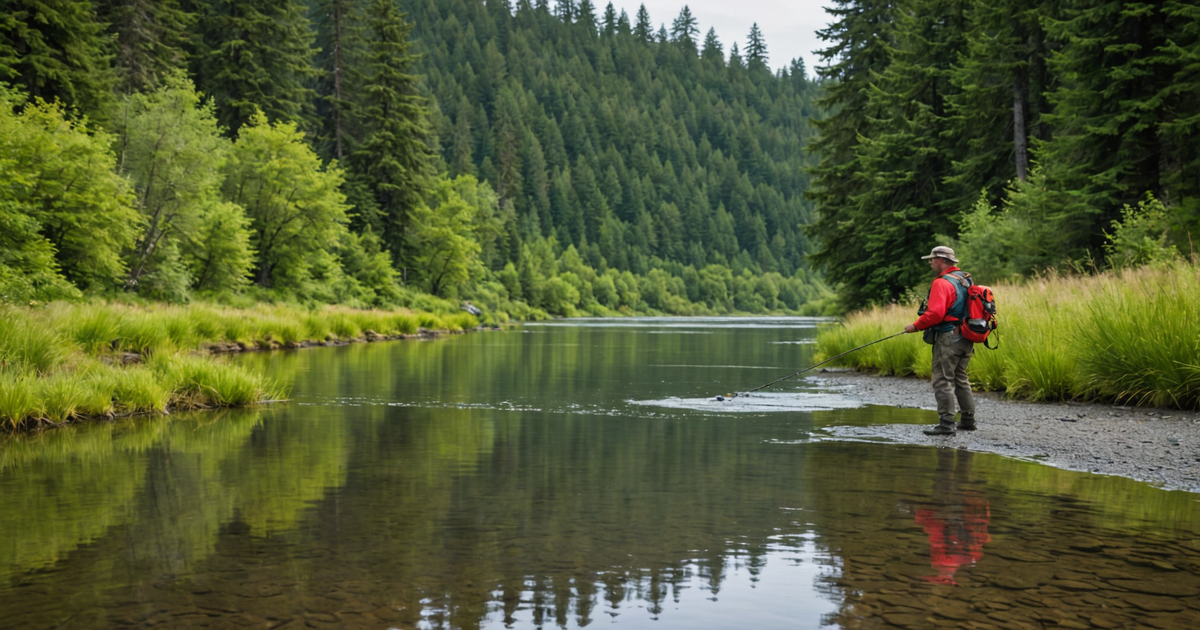
Sockeye salmon are known for their selective feeding habits. Using the right tackle and bait is crucial. Fly fishing with brightly coloured flies is a popular method, and Fish Alaska Magazine offers expert advice on fly selection.
Local Expertise
Consider hiring a local guide or participating in a fishing charter to gain insights into the best fishing spots and techniques. Guides can offer valuable tips on how to handle and release salmon safely, contributing to conservation efforts.
Conservation and Responsible Fishing
As visitors to Alaska, it’s our responsibility to engage in ethical fishing practices. The Leave No Trace principles provide guidelines for minimizing our environmental impact while enjoying the great outdoors.
Catch and Release Practices
Catch and release is an important practice to ensure the sustainability of salmon populations. Techniques such as using barbless hooks and handling fish with care can significantly improve their survival rates. The Fishing Passport’s guide to catch and release offers practical advice for responsible anglers.
Supporting Local Communities
The red salmon run is vital to the economy of local communities. By supporting local businesses and respecting indigenous fishing rights, visitors contribute to the preservation of cultural traditions and economic sustainability.
Conclusion
Experiencing the red salmon run in Alaska is more than just a fishing trip; it’s an opportunity to witness one of nature’s greatest spectacles. By planning your visit thoughtfully, respecting local regulations, and engaging in responsible fishing, you can enjoy a rewarding and sustainable adventure. Whether you’re an experienced angler or a novice, the red salmon run offers something for everyone—a connection to nature, a challenge, and memories that will last a lifetime.
FAQ
What is the best time to witness the red salmon run in Alaska?
The peak season for the red salmon run typically occurs from mid-June to late July. However, the exact timing can vary depending on the specific river or region.
Do I need a fishing licence to fish for red salmon in Alaska?
Yes, a valid fishing licence is required to fish for salmon in Alaska. You can obtain a licence from the Alaska Department of Fish and Game.
What equipment is recommended for fishing sockeye salmon?
Fly fishing gear with brightly coloured flies is commonly used for sockeye salmon. Consider consulting Fish Alaska Magazine for detailed equipment recommendations.
Are there guided tours available for the red salmon run?
Yes, there are several guided tour options available for the red salmon run. Alaska Adventure Guides offers a variety of tours to suit different preferences and experience levels.
How can I practice responsible fishing during the salmon run?
Practising catch and release, using barbless hooks, and handling fish carefully are key components of responsible fishing. The Fishing Passport provides more on this topic.
What other activities can I enjoy in Alaska during the salmon run?
In addition to fishing, Alaska offers a range of activities such as hiking, wildlife viewing, and exploring the Kenai Peninsula. For more adventure options, visit Travel Alaska.
How can I support local communities during my visit?
Supporting local businesses, respecting indigenous rights, and participating in community-led tours are ways to support local communities. Engaging with local culture enriches your experience and contributes to sustainability.
Where can I find more information about planning my trip to Alaska?
For comprehensive travel planning resources, visit Travel Alaska. They offer guides, tips, and travel information to help you make the most of your Alaskan adventure.