
Introduction
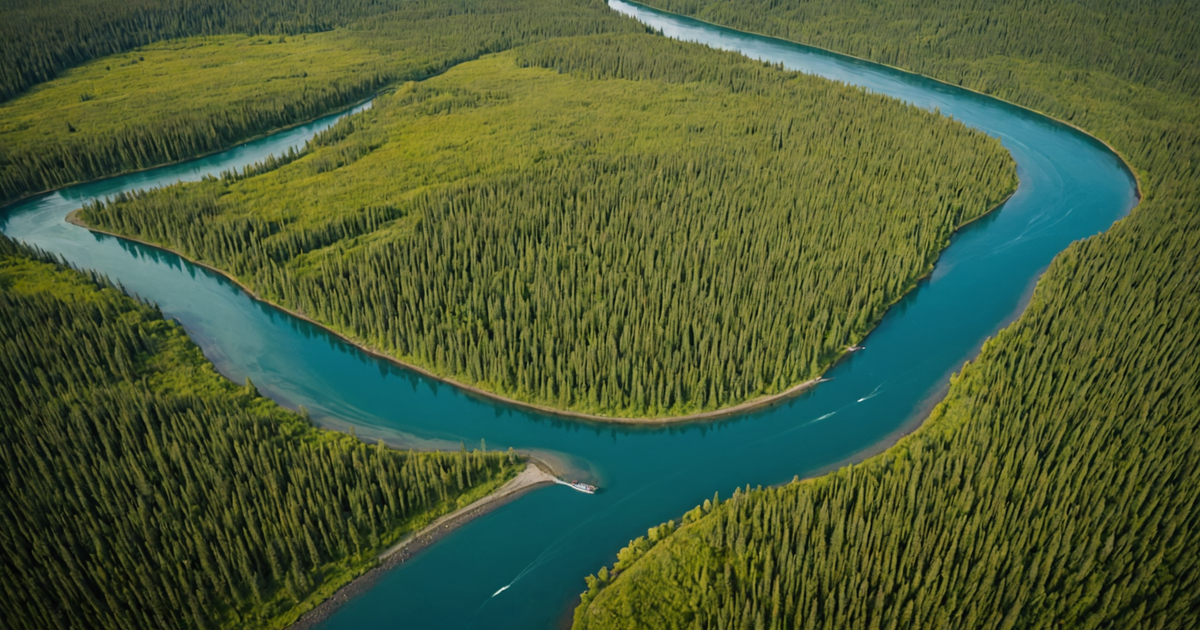
Alaska, a land of staggering beauty and untamed wilderness, is a paradise for anglers seeking the thrill of salmon fishing. With its myriad rivers teeming with life, the state offers some of the finest salmon fishing rivers in the world. This blog post will guide you through the best rivers for salmon fishing in Alaska, the benefits of opting for guided trips, and how to plan for a successful fishing adventure. Whether you’re a seasoned angler or a novice seeking the expertise of local guides, this guide will help you navigate the Alaskan salmon fishing experience. For more detail, see official guidance.
The Best Salmon Fishing Rivers in Alaska
Kenai River. For more detail, see further information.
The Kenai River is arguably the most famous salmon fishing river in Alaska. Known for its impressive run of all five Pacific salmon species, it offers anglers the chance to catch king, sockeye, coho, chum, and pink salmon. The Kenai is particularly celebrated for its record-breaking king salmon, making it a must-visit for any serious angler. For more detail, see detailed advice.
Kasilof River. For more detail, see planning resources.
Situated near the Kenai River, the Kasilof River is slightly less crowded but equally rewarding. It’s particularly noted for its sockeye and king salmon runs. The Kasilof offers a more tranquil fishing experience while still delivering the thrill of reeling in large catches. For more detail, see local insights.
Copper River
The Copper River is renowned for its sockeye salmon, known for their rich flavour and vibrant colour. The fishing here can be more challenging due to the river’s rugged terrain, but the reward of catching one of the most sought-after salmon species is well worth the effort.
Yukon River
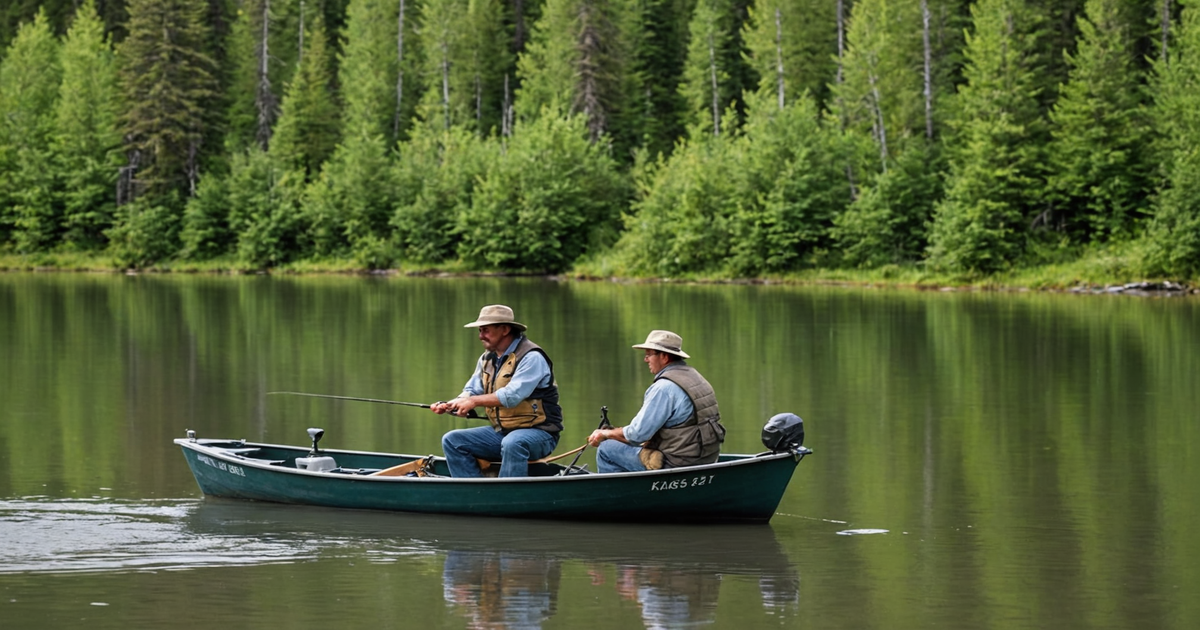
For those looking for an adventurous fishing expedition, the Yukon River provides a remote and beautiful setting. It is home to large runs of chum and king salmon. Fishing the Yukon River is not just about the catch but also the experience of being in one of the most untouched parts of Alaska.
Situk River
The Situk River, located near Yakutat, is famed for its steelhead runs in the spring and fall, but it also offers excellent opportunities for salmon fishing. It’s a perfect spot for those who enjoy fly fishing, providing a picturesque and serene environment.
Benefits of Guided Salmon Fishing Trips
Engaging a local guide can significantly enhance your salmon fishing experience in Alaska. Here are some reasons why a guided trip is beneficial:
Expertise and Local Knowledge
Guides possess extensive knowledge of the local waters and salmon behaviour. They can provide insights into the best fishing spots and techniques, ensuring you have the best chance of landing a catch. For more information on guided fishing experiences, check out this guide.
Equipment and Safety
Guided trips often include the necessary fishing equipment, saving you the hassle of bringing your own gear. Furthermore, experienced guides prioritise safety, particularly in remote and challenging environments like Alaska.
Conservation and Regulations
Guides are well-versed in local fishing regulations and sustainable practices. They ensure compliance with regulations, helping to preserve the ecosystem for future generations. Learn more about sustainable fishing practices.
Planning Your Salmon Fishing Trip
Choosing the Right Time
The timing of your trip is crucial as salmon runs vary throughout the year. Understanding the Alaska salmon season will help you plan your visit to coincide with peak fishing times.
Permits and Regulations
Before embarking on your fishing adventure, ensure you have the necessary permits. The Alaska Department of Fish and Game provides all the required information on fishing licences and regulations.
Accommodation and Travel
Alaska offers a range of accommodation options from rustic lodges to modern hotels. Planning your stay in advance is advisable, especially during peak fishing seasons. For travel tips and more, visit Travel Alaska.
Preparing for the Weather
Alaska’s weather can be unpredictable, so packing appropriately is essential. Layered clothing, waterproof gear, and sturdy boots are recommended to ensure comfort throughout your trip. You can check weather conditions on NOAA before your departure.
Conclusion
Salmon fishing in Alaska is an unparalleled experience that combines the thrill of the catch with the stunning beauty of the Alaskan wilderness. Whether you choose to explore the Kenai, Kasilof, or any of the other magnificent rivers, a guided trip can enhance your adventure by providing local knowledge and ensuring a safe and successful outing. With careful planning and respect for the environment, your Alaskan salmon fishing adventure will be both memorable and rewarding.
FAQ
What is the best time for salmon fishing in Alaska?
The best time for salmon fishing varies by species and river. Generally, king salmon runs occur from May to July, while sockeye are abundant from June to August. Coho salmon are most prevalent in August and September. For detailed timing, refer to the Alaska salmon season guide.
Do I need a licence to fish for salmon in Alaska?
Yes, a fishing licence is required for all non-residents and residents aged 16 and over. Licences can be obtained from the Alaska Department of Fish and Game.
Can I fish without a guide in Alaska?
While you can fish without a guide, it is recommended to hire one for their expertise and to enhance your fishing experience. Guides ensure compliance with local regulations and provide valuable local knowledge.
What equipment is necessary for salmon fishing?
Essential equipment includes a rod and reel suitable for salmon, tackle, bait, and appropriate clothing. Guided trips often supply gear, so check with your tour provider beforehand.
How do I choose a reputable guide?
Look for guides with positive reviews, relevant experience, and a focus on safety and sustainability. The Alaska Adventure Guides offer reliable guided tours.
Are there conservation practices in place for salmon fishing?
Yes, Alaska has strict conservation practices to protect salmon populations. Catch and release, size limits, and seasonal restrictions are some measures in place. Learn more from the Alaska Department of Fish and Game.
What should I pack for a fishing trip in Alaska?
Pack layered clothing, waterproof gear, sturdy boots, fishing equipment, and any personal items you may need. Always prepare for changing weather conditions.
Where can I find more information on Alaskan fishing trips?
For additional resources and trip planning, visit My Alaskan Fishing Trip and Travel Alaska.