
Introduction
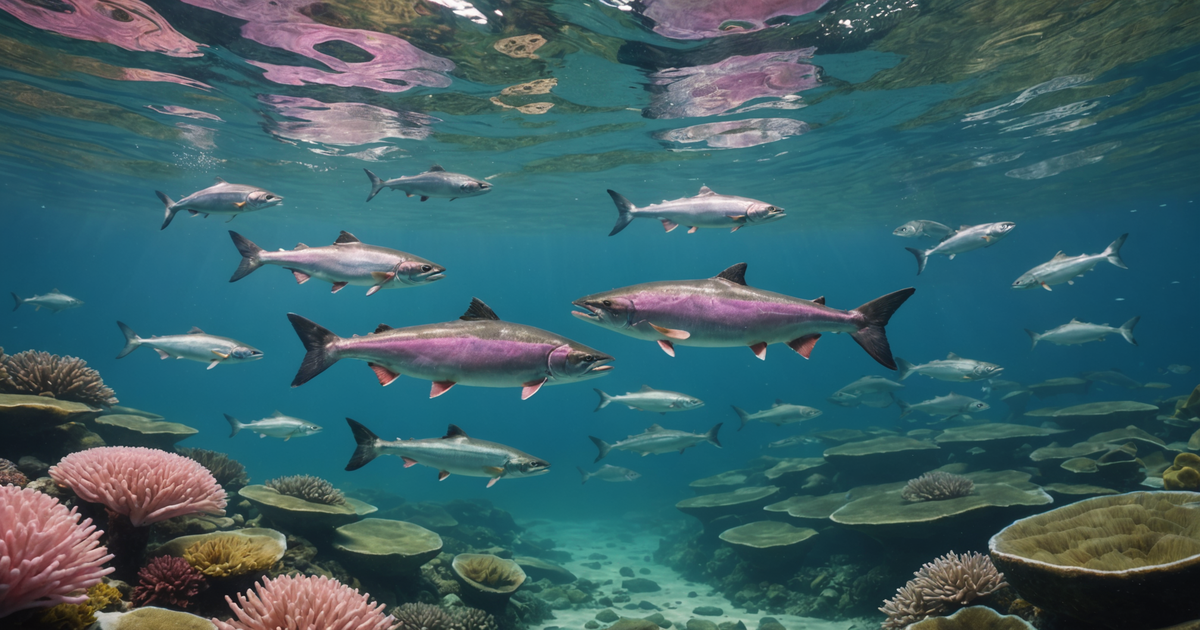
Pink salmon, the smallest and most abundant of the Pacific salmon species, is a fascinating fish. Known for their distinctive appearance and frequent presence in Alaskan waters, they are a popular target for anglers from around the world. However, many people may not be aware that pink salmon is known by various other names. This article will explore another name for pink salmon, delve into the ecology and significance of these fish in Alaska, and provide guidance for those looking to fish in Alaskan waters. For more detail, see official guidance.
Another Name for Pink Salmon
Pink salmon is scientifically known as Oncorhynchus gorbuscha, but this species is also colloquially referred to as “humpback salmon” or simply “humpies” due to the pronounced hump that males develop during the spawning season. The name “humpback salmon” is particularly fitting as it describes the physical transformation that these fish undergo, a hallmark of their reproductive cycle. For more detail, see further information.
This name is widely used among anglers and locals in Alaska, as well as in scientific communities. Understanding these alternative names is crucial for effective communication, whether you’re consulting with local guides or researching Alaskan fishing regulations on the Alaska Department of Fish and Game website. For more detail, see detailed advice.
Habitat and Life Cycle
Pink salmon are anadromous fish, meaning they are born in freshwater, migrate to the ocean, and return to freshwater to spawn. This life cycle is typical of all Pacific salmon species, but pink salmon have a unique two-year life cycle, which is the shortest of any salmon species. They are born in late winter or early spring, spend 18 months in the ocean, and return to spawn in the rivers from which they originated. For more detail, see planning resources.
During their time in the ocean, pink salmon feed on plankton, small fish, and squid, which contributes to their rapid growth. Upon returning to freshwater for spawning, they undergo significant physical changes, including the development of the characteristic hump in males. This transformation is not only fascinating but also serves as a distinguishing feature for anglers and biologists alike. For more detail, see local insights.

Fishing for Pink Salmon in Alaska
Fishing for pink salmon in Alaska is a renowned activity, attracting anglers from around the globe. The abundance of these fish, coupled with the stunning Alaskan landscapes, provides an unmatched fishing experience. The Alaska salmon season is particularly vibrant, and pink salmon runs occur during the summer months, primarily from late June to mid-September.
When planning a salmon fishing trip in Alaska, it is vital to consider the regulations and guidelines set forth by the NOAA Fisheries and the Alaska Department of Fish and Game. These resources provide crucial information on fishing licenses, catch limits, and conservation efforts.
For those seeking an immersive experience, guided fishing tours in Alaska offer both expertise and convenience. These tours are designed to enhance your fishing adventure, ensuring that you have the best chance of success while respecting local wildlife and ecosystems.
Tips for Catching Pink Salmon
Catching pink salmon requires skill and understanding of their behaviour. Here are some tips to increase your chances of a successful catch:
-
Timing is Key: Plan your trip during peak salmon runs. Pink salmon are most active in the early morning and late afternoon.
-
Use the Right Equipment: Light to medium tackle is recommended, as pink salmon are not as large as other salmon species. Consider using spoons, spinners, or flies that mimic their natural prey.
-
Location Matters: Focus on areas with strong currents, as pink salmon often congregate in these spots. Estuaries and river mouths are excellent places to start.
-
Understand Their Behaviour: Pink salmon often swim in large schools. Once you locate a school, your chances of a catch increase significantly.
For more detailed tips and techniques, you might want to explore angling tips from experienced guides and local experts.
Conclusion
Pink salmon, also known as humpback salmon, are a vital part of the Alaskan ecosystem and a favourite among anglers. Their unique life cycle and abundance make them a fascinating species to study and catch. Whether you are a seasoned angler or a curious traveller, understanding another name for pink salmon and the best practices for fishing them in Alaska can enhance your experience significantly.
For further reading, consider exploring Alaskan cuisine to learn how to prepare your catch or lifestyle articles to immerse yourself in the Alaskan way of life.
FAQ
What is another name for pink salmon?
Pink salmon is also known as “humpback salmon” or “humpies,” due to the distinctive hump males develop during spawning.
When is the best time to fish for pink salmon in Alaska?
The best time to fish for pink salmon in Alaska is during their spawning runs from late June to mid-September.
What kind of tackle is suitable for pink salmon fishing?
Light to medium tackle is recommended for pink salmon. Using spoons, spinners, or flies that mimic their natural prey is effective.
Where are the best places to fish for pink salmon in Alaska?
Estuaries and river mouths with strong currents are ideal spots for fishing pink salmon, as they often gather in these areas.
What does the pink salmon’s life cycle look like?
Pink salmon have a unique two-year life cycle, beginning in freshwater, migrating to the ocean, and returning to freshwater to spawn after 18 months.
Are guided fishing tours available in Alaska?
Yes, guided fishing tours are widely available and offer expert guidance and convenience for anglers.
How can I learn more about Alaskan fishing regulations?
For comprehensive information on fishing regulations, visit the Alaska Department of Fish and Game website.
Can pink salmon be prepared for eating?
Absolutely, pink salmon can be a delicious meal. Explore Alaskan cuisine for recipes and preparation methods.