
Introduction
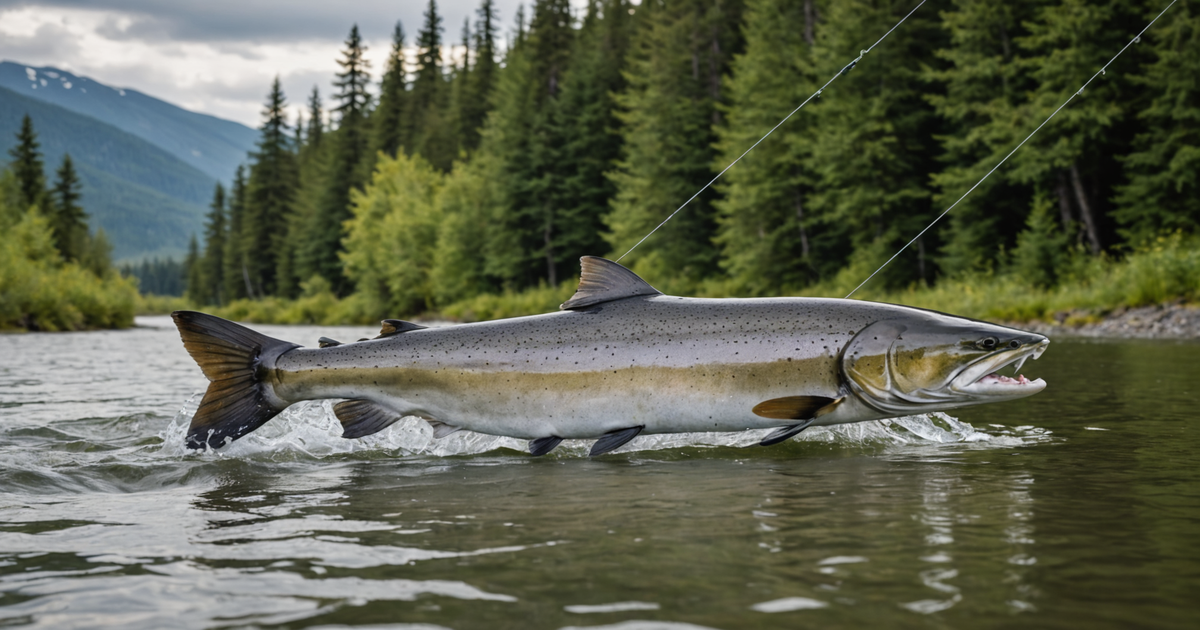
Alaska is renowned for its breathtaking landscapes and abundant wildlife, with the chinook salmon, also known as the king salmon, being a true icon of its aquatic life. Anglers from around the world flock to Alaska’s rivers and coastal waters to catch these majestic fish, famed not just for their fight but also their impressive size. Understanding the chinook salmon average size is essential for both novice and experienced anglers planning a fishing trip to Alaska. In this comprehensive guide, we delve into the average size of chinook salmon and other vital details to help you make the most of your Alaskan fishing adventure. For more detail, see official guidance.
Understanding Chinook Salmon
Chinook salmon are the largest species of Pacific salmon, often reaching formidable sizes that challenge even seasoned fishermen. Their life cycle is a fascinating journey that begins in freshwater rivers, where they hatch and eventually migrate to the ocean to mature. After several years at sea, they return to their natal rivers to spawn. For more detail, see further information.
Average Size of Chinook Salmon. For more detail, see detailed advice.
The average size of chinook salmon can vary significantly depending on the region and environmental factors. In Alaskan waters, these fish are particularly notable for their size. On average, adult chinook salmon range from 10 to 50 pounds, with some exceptional specimens exceeding 100 pounds. The Alaska Department of Fish and Game reports that the largest chinook salmon ever caught in Alaska weighed an impressive 126 pounds. For more detail, see planning resources.
Factors Influencing Size. For more detail, see local insights.
Several factors influence the size of chinook salmon, including genetics, availability of food, and environmental conditions. The cold and nutrient-rich waters of Alaska provide an ideal habitat, contributing to the significant size these fish can achieve. Additionally, the time spent in the ocean before returning to spawn greatly affects their size, with longer oceanic periods generally resulting in larger fish.
Prime Locations to Fish for Chinook Salmon in Alaska
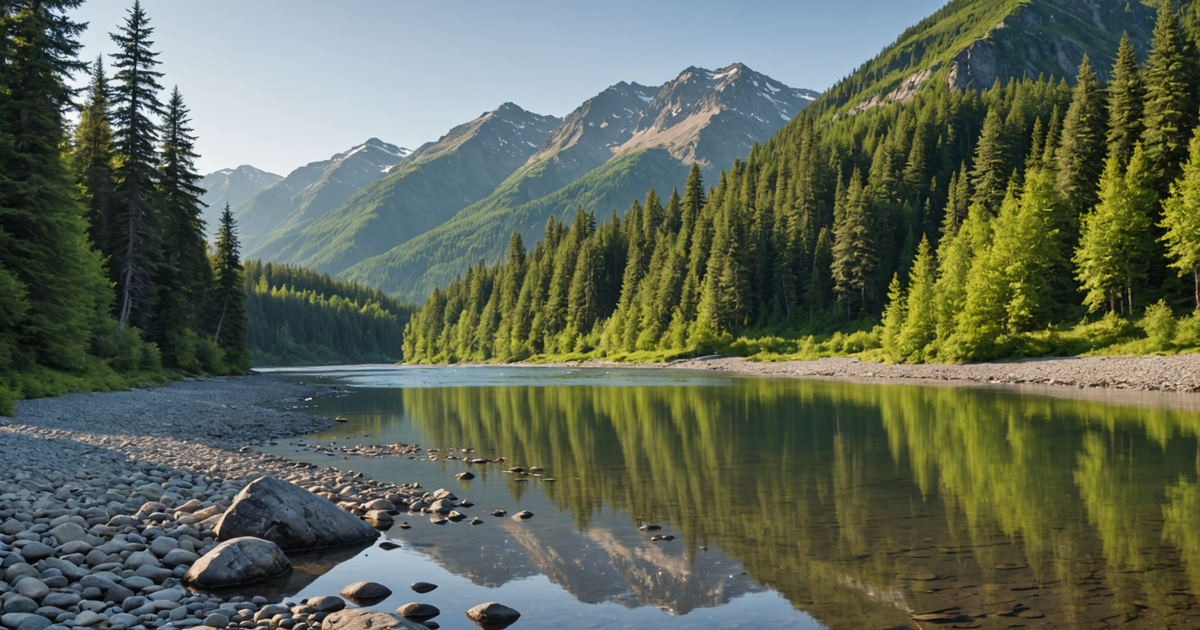
Alaska offers a plethora of locations ideal for fishing chinook salmon, each with its unique charm and challenges. The Kenai River is perhaps the most famous, known for producing record-breaking chinook. The Chulitna River is another popular destination, offering both scenic beauty and excellent fishing opportunities.
Fishing Seasons and Techniques
Understanding the Alaska salmon season is crucial for planning a successful trip. Generally, the chinook salmon fishing season in Alaska runs from May to July, although specific timings can vary based on location and yearly conditions. Anglers use various techniques, including trolling, fly fishing, and casting, to catch these powerful fish. Each method requires specific gear and skills, all of which add to the excitement and challenge of chinook salmon fishing.
Conservation and Regulations
Chinook salmon populations are subject to strict management to ensure their sustainability. The Alaska Department of Fish and Game establishes regulations regarding bag limits, size restrictions, and fishing methods. It is essential for anglers to familiarize themselves with these rules to contribute to the conservation efforts and avoid penalties.
Conclusion
Fishing for chinook salmon in Alaska is more than a pastime—it’s an adventure that connects anglers to the untamed beauty of the natural world. By understanding the average size of these magnificent fish and the factors that influence it, you can better appreciate the thrill of the catch. Whether you’re planning a trip to the Kenai River or exploring the lesser-known gems like the Chulitna, Alaska promises an unforgettable fishing experience.
FAQ
What is the average size of chinook salmon in Alaska?
The average size of chinook salmon in Alaska ranges from 10 to 50 pounds. However, some individuals can exceed 100 pounds, with the largest recorded at 126 pounds.
Where is the best place to fish for chinook salmon in Alaska?
The Kenai River is renowned for its large chinook salmon. Other notable locations include the Chulitna River and various coastal areas.
When is the best time to fish for chinook salmon in Alaska?
The best time to fish for chinook salmon in Alaska is typically from May to July, depending on the specific river and environmental conditions.
What regulations should I be aware of when fishing for chinook salmon in Alaska?
Anglers should check the Alaska Department of Fish and Game for regulations on bag limits, size restrictions, and fishing methods to ensure compliance with conservation efforts.
What techniques are commonly used to catch chinook salmon?
Popular techniques include trolling, fly fishing, and casting, each requiring specific skills and equipment tailored to the fishing environment.
How can I ensure a sustainable fishing experience in Alaska?
Adhering to regulations, practising catch and release, and using sustainable fishing methods are key to contributing to the preservation of chinook salmon populations in Alaska.
Can I find guided fishing tours for chinook salmon in Alaska?
Yes, several guided tours are available, offering expert guidance and equipment to enhance your fishing experience in Alaska.
Are there other activities to enjoy while on a fishing trip in Alaska?
Absolutely. Alaska offers a range of activities, from hiking glaciers to exploring wildlife, making it a perfect destination for diverse outdoor adventures.