

Introduction
The Chinook salmon, also known as the king salmon, is a majestic fish species revered by anglers and wildlife enthusiasts alike. Found in the pristine waters of Alaska, this fish is not only prized for its size and flavour but also for its cultural significance. In this comprehensive guide, we will explore the various names and characteristics of the Chinook salmon, offering insights into its habitat and significance in Alaskan waters. Whether you’re planning a fishing trip or simply keen to learn more about this fascinating species, our exploration will provide valuable information to enhance your understanding of the Chinook salmon. For more detail, see official guidance.
The Many Names of Chinook Salmon
The Chinook salmon is known by several names, reflecting its importance across different cultures and regions. The most common alternate name is the “king salmon,” a title that highlights its status as the largest species of Pacific salmon. In Indigenous languages, it is often referred to as “tyee salmon,” especially when it weighs over 30 pounds. This nomenclature underscores the fish’s revered status among Native American tribes who have relied on it for sustenance and cultural rituals for centuries. For more detail, see further information.
In addition to these names, Chinook salmon are sometimes called “spring salmon” due to their early spawning runs in spring. In Alaska, the fish is also known as “blackmouth” because of the black colouring inside their mouths. Each name offers a glimpse into the salmon’s diverse characteristics and the various ways it is perceived by those who fish and consume it. For more detail, see detailed advice.
Habitat and Migration Patterns
Chinook salmon are anadromous fish, meaning they spend a portion of their lives in both fresh and saltwater. Born in freshwater rivers, they migrate to the ocean where they mature before returning to their natal streams to spawn. This incredible journey is not only a testament to their strength and resilience but also plays a crucial role in the ecological balance of both marine and freshwater environments. For more detail, see planning resources.
In Alaska, the Chinook salmon’s migration is a spectacle eagerly anticipated by anglers and wildlife watchers. The salmon embark on this journey from the Bering Sea and the Gulf of Alaska, navigating through vast and challenging waterways. For those interested in guided salmon fishing in Alaska, witnessing this migration can be a highlight of any fishing expedition. For more detail, see local insights.
Fishing for Chinook Salmon in Alaska
Fishing for Chinook salmon in Alaska is an experience that attracts thousands of anglers each year. The state’s diverse and abundant waterways offer numerous opportunities to catch these formidable fish. The Kenai River is particularly famous for its large Chinook salmon, often producing record-breaking catches. For those planning a fishing adventure, it’s essential to understand the regulations and best practices to ensure a successful and sustainable fishing trip. The Alaska Department of Fish and Game provides comprehensive guidelines and updates on fishing seasons and limits.
Alaska’s fishing season varies by region, but generally, the peak time for Chinook salmon runs from May through July. During this period, anglers can take advantage of guided fishing tours to maximise their chances of landing a king salmon. These tours offer expert guidance and access to prime fishing locations, ensuring an unforgettable experience.
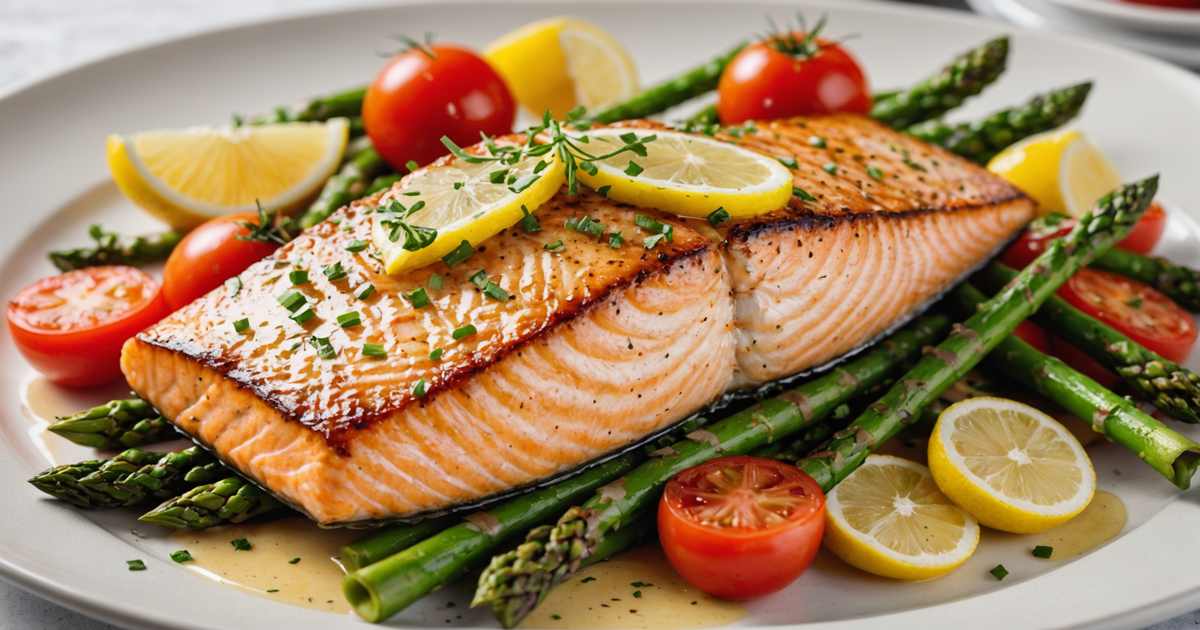
Culinary Delights: Enjoying Chinook Salmon
The rich, flavourful flesh of the Chinook salmon makes it a prized catch not only for its sporting challenge but also for its culinary potential. Known for its high oil content, this fish is perfect for grilling, smoking, or baking. Alaskan cuisine often features Chinook salmon as a staple, celebrated for its versatility and health benefits. For those interested in exploring more about Alaskan culinary traditions, the Alaskan Salmon Candy is a must-try delicacy that showcases the unique flavours of this fish.
In addition to traditional preparations, modern culinary techniques have embraced the Chinook salmon in various forms, from sashimi to smoked salmon dishes. The nutritional profile of Chinook salmon, rich in omega-3 fatty acids and essential nutrients, makes it a healthy choice for those seeking to incorporate more seafood into their diet.
Conservation and Sustainability
The Chinook salmon’s ecological importance cannot be overstated. As a keystone species, it supports numerous wildlife populations, including bears and eagles, and contributes to the nutrient cycle in both aquatic and terrestrial environments. However, overfishing and habitat destruction have posed threats to Chinook salmon populations.
Efforts to conserve and protect these vital fish are ongoing. Conservation organisations and government agencies, such as NOAA Fisheries, work tirelessly to implement sustainable fishing practices and habitat restoration projects. By supporting these initiatives, anglers and consumers can play a part in ensuring the future of Chinook salmon in Alaska’s waters.
Conclusion
The Chinook salmon is more than just a fish; it is a symbol of nature’s grandeur and resilience. Its various names reflect its significance across cultures and its role in the ecosystem. Whether you are an angler seeking the thrill of the catch or a culinary enthusiast eager to taste its rich flavours, the Chinook salmon offers something for everyone. By understanding its habitat, migration patterns, and the importance of conservation, we can appreciate and protect this magnificent species for generations to come.
FAQ
What are the different names for Chinook salmon?
Chinook salmon are also known as king salmon, tyee salmon, spring salmon, and blackmouth.
Where can I fish for Chinook salmon in Alaska?
Popular locations include the Kenai River, which is renowned for its large Chinook salmon. Guided fishing tours can enhance your fishing experience.
When is the best time to fish for Chinook salmon in Alaska?
The peak season for Chinook salmon is typically from May through July. For more details, visit the Alaska Department of Fish and Game.
Why are Chinook salmon called king salmon?
They are called king salmon due to their large size, being the biggest among the Pacific salmon species.
How is Chinook salmon typically prepared in Alaskan cuisine?
Chinook salmon is celebrated in Alaskan cuisine through various preparations such as grilling, smoking, and baking. Discover more culinary ideas in the Culinary section.
What conservation efforts are in place for Chinook salmon?
Conservation efforts include sustainable fishing practices and habitat restoration, supported by organisations like NOAA Fisheries.
Are there any cultural significances associated with Chinook salmon?
Yes, Chinook salmon hold cultural importance for Indigenous tribes, often featuring in rituals and as a primary food source.