
Introduction
Ice fishing is a unique and exhilarating way to experience the natural beauty of Alaska, and targeting salmon under the frozen lakes adds an exciting twist to the adventure. With Alaska’s vast wilderness and abundance of fish, ice fishing for salmon is becoming increasingly popular among anglers looking for a winter thrill. This blog post will guide you through everything you need to know about ice fishing salmon in Alaska, including what to expect on a winter trip, the best spots to fish, and essential tips for a successful outing. Whether you’re a seasoned angler or a curious beginner, this guide will ensure you’re well-prepared for an unforgettable experience. For more detail, see official guidance.
Planning Your Ice Fishing Adventure
Selecting the Right Time and Location. For more detail, see further information.
The optimal time for ice fishing salmon in Alaska is during the winter months when the lakes are solidly frozen, typically from December to March. It’s important to monitor ice conditions through reliable sources like NOAA or Weather.gov to ensure safety. Popular destinations include the Kenai Peninsula, Bristol Bay, and various lakes in the Anchorage area. Travel Alaska provides detailed information on fishing locations and conditions. For more detail, see detailed advice.
Necessary Gear and Equipment. For more detail, see planning resources.
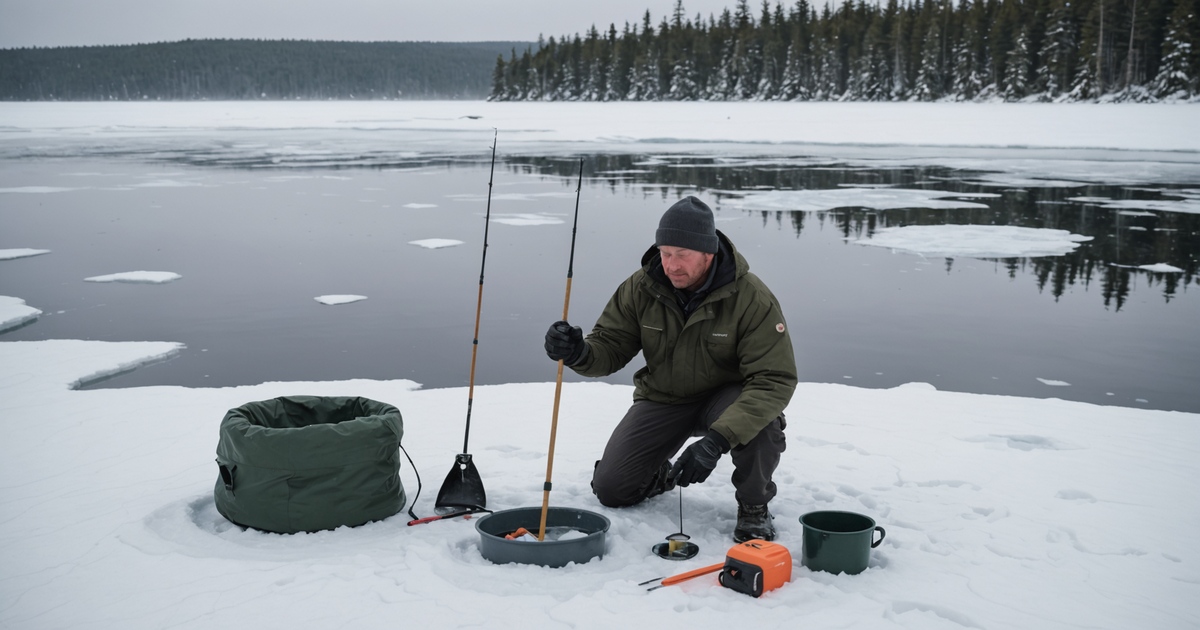
To ice fish successfully, you’ll need specialised gear, including an ice auger to drill holes, a sturdy ice fishing rod, appropriate bait, and a portable shelter for protection against the elements. For those unfamiliar with ice fishing gear, REI’s expert advice offers comprehensive guidance on selecting the right equipment. Additionally, thermal clothing is crucial to keep warm in sub-zero temperatures. For more detail, see local insights.
Hiring a Guide
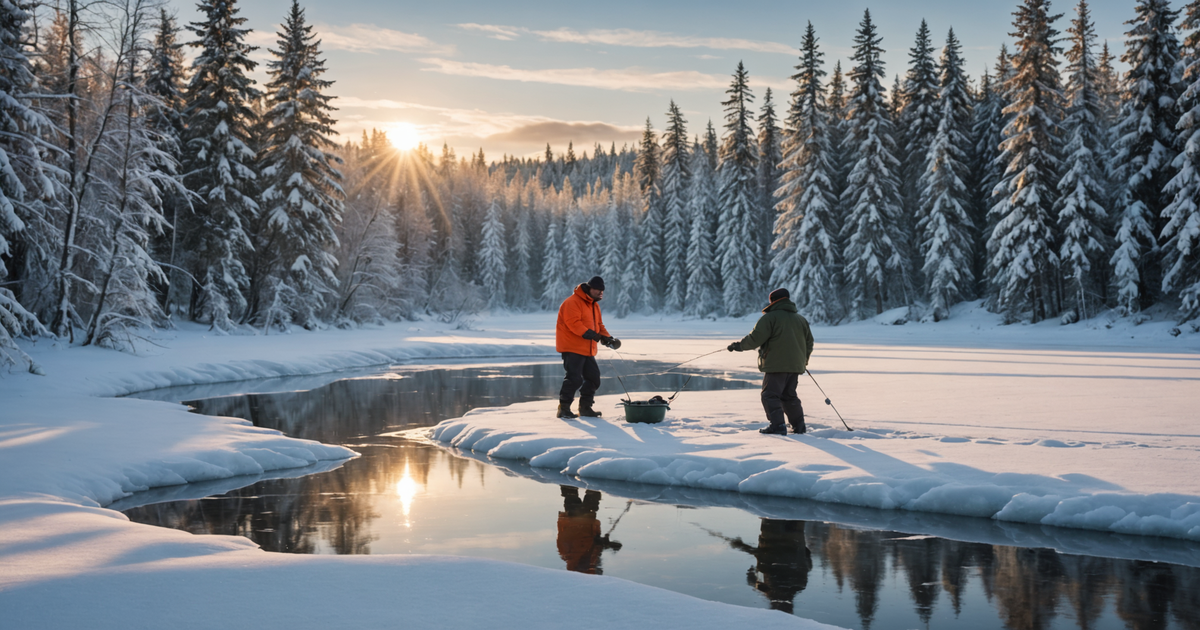
For those new to ice fishing or the Alaskan wilderness, hiring a guide can enhance the experience. Guided trips offer local expertise, equipment, and safety measures, allowing you to focus on the adventure itself. Companies like Alaska Adventure Guides provide tailored packages that include everything from gear rental to transportation.
Techniques for Ice Fishing Salmon
Choosing the Right Bait and Lures
Salmon are known for their particular preferences, even under ice. Effective baits include live bait like shrimp or herring, while jigs and flashers can be used to entice strikes. Understanding salmon behaviour is essential, and resources such as Fish Alaska Magazine offer insights into choosing the right lures for different conditions.
Drilling and Setting Up
Once you’ve selected a location and bait, it’s time to drill your fishing holes. Using an auger, drill holes approximately 15-20cm in diameter. Position your shelter over the holes for comfort and to maintain focus on your lines. Techniques for setting up and managing multiple lines efficiently can be found in Fishing Techniques.
Patience and Observation
Ice fishing requires patience. Pay close attention to your line, and be prepared for sudden bites. Salmon can be elusive, and understanding their movements beneath the ice is crucial. For more advanced strategies, Trout and Salmon offers valuable tips on adapting your approach to the conditions.
Safety and Environmental Considerations
Ice Safety Measures
Ensuring safety is paramount. Always check ice thickness, which should be at least 10cm for walking and more for vehicles. Carry safety gear such as ice picks and a rope, and never fish alone. The U.S. Fish and Wildlife Service provides guidelines on safe ice fishing practices.
Sustainable Fishing Practices
Practising catch-and-release and adhering to local regulations helps preserve fish populations and the ecosystem. The Alaska Department of Fish and Game outlines regulations to follow for sustainable fishing. For those interested in learning more about sustainable practices, Alaska Adventure Guides offers resources and information.
Conclusion
Ice fishing for salmon in Alaska is more than just a fishing trip; it’s an adventure into the heart of a winter wonderland. With the right preparation, equipment, and knowledge, you can enjoy the thrill of catching salmon under the ice while surrounded by the breathtaking Alaskan wilderness. Whether you go solo or opt for a guided experience, the memories made on these icy waters are sure to last a lifetime.
FAQ
What is the best time for ice fishing salmon in Alaska?
The best time for ice fishing salmon in Alaska is from December to March when the ice is thick enough to support anglers safely.
Do I need a fishing licence for ice fishing in Alaska?
Yes, a valid fishing licence is required for all anglers. You can obtain one through the Alaska Department of Fish and Game.
What should I wear for ice fishing?
Dress in layers with thermal clothing, waterproof boots, and insulated gloves. A windproof and water-resistant outer layer is also recommended.
Can beginners try ice fishing salmon?
Absolutely! Beginners can enjoy ice fishing by hiring a guide, who will provide the necessary equipment and expertise to make the experience enjoyable.
Is it safe to ice fish alone?
While it’s possible to ice fish alone, it’s safer to go with a group or a guide, especially in unfamiliar areas. Always inform someone of your plans and expected return time.
How can I ensure I am following sustainable fishing practices?
Adhering to local fishing regulations, practising catch-and-release, and minimising your environmental impact are key. Resources on sustainable practices can be found on Alaska Adventure Guides.
What kind of bait is most effective for salmon under ice?
Live bait, such as shrimp or herring, is often effective, along with jigs and flashers. Adjust your bait based on salmon behaviour and conditions.