
Introduction
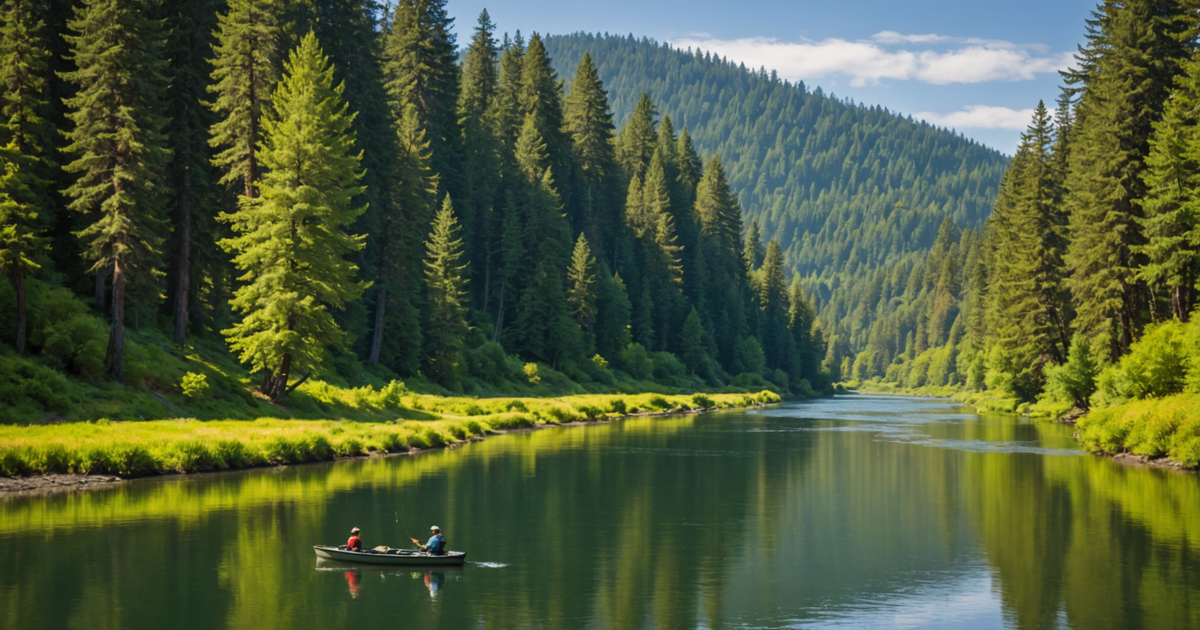
The Russian River, located in the heart of Alaska’s Kenai Peninsula, is a premier destination for anglers seeking the thrill of salmon fishing. With its picturesque scenery and abundant wildlife, it is a haven for both novice and seasoned fishers. One of the key factors in planning a successful fishing trip to this region is understanding the Russian River salmon count. This count is crucial as it provides insight into the best times to fish and the potential success of your trip. In this guide, we will delve into the details of the salmon count, offering tips on planning your fishing adventure while respecting local regulations and the natural environment. For more detail, see official guidance.
Understanding the Russian River Salmon Count
The salmon count at the Russian River is conducted annually by the Alaska Department of Fish and Game (ADF&G). This process involves monitoring the number of salmon that return to the river to spawn, providing essential data for managing the fishery and ensuring sustainable fishing practices. The main species counted include sockeye, coho, and chinook salmon, each having specific peak seasons. For more detail, see further information.
The sockeye salmon typically return in two waves: the early run from mid-June to early July and the late run from mid-July to early August. Understanding these timelines can significantly enhance your chances of a successful fishing expedition. For more detail, see detailed advice.
Best Times to Visit
When planning a trip to the Russian River, timing is everything. Aligning your visit with the peak salmon runs will increase your chances of a fruitful outing. For sockeye salmon, the best time to visit is during the early or late runs mentioned above. Coho salmon are more abundant in late August through September. Chinook salmon, though less common in the Russian River compared to other Alaskan rivers, can be found from late May through early July. For more detail, see planning resources.
For those new to salmon fishing, consider reviewing some tips and tricks to enhance your technique and ensure a rewarding experience. For more detail, see local insights.
Essential Fishing Gear and Techniques
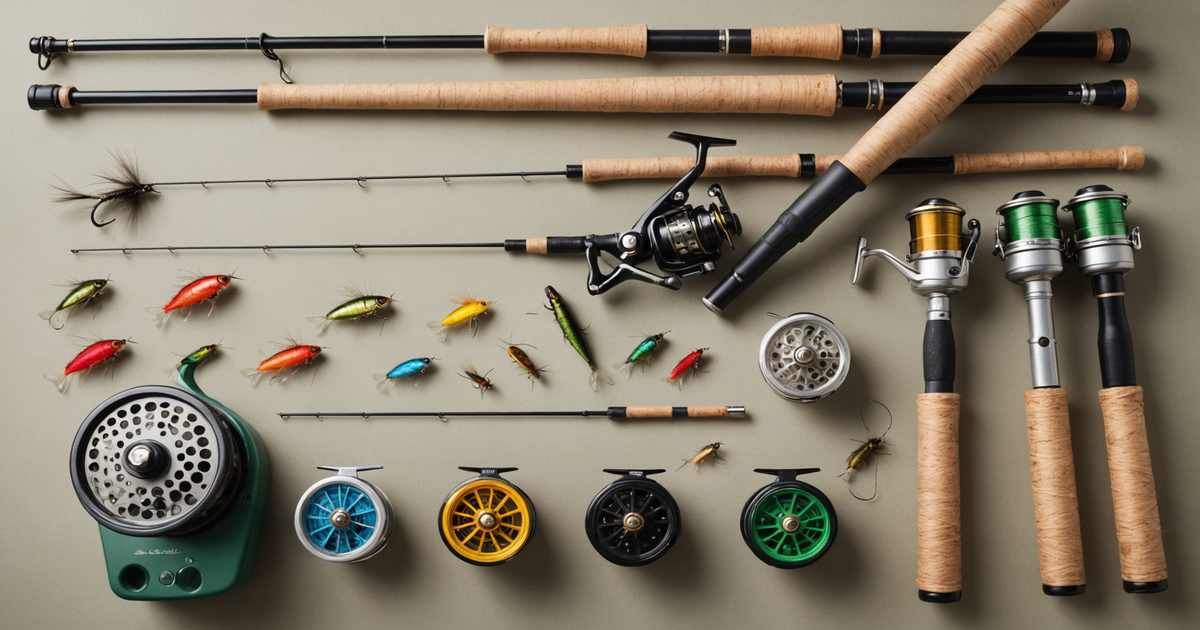
When gearing up for your Russian River fishing adventure, it’s crucial to have the right equipment. A medium to heavy action rod with a matching reel is recommended for battling the robust salmon. For those interested in fly fishing, ensure you have high-quality flies and lines suitable for the river’s conditions. For additional guidance on fishing techniques, consider consulting expert resources to refine your approach.
Navigating Fishing Regulations
Fishing in Alaska, particularly in areas like the Russian River, is governed by strict regulations designed to protect fish populations and the environment. It is imperative to familiarise yourself with these rules before heading out. The ADF&G provides comprehensive regulations and guidelines which are updated regularly. Ensure you have the necessary permits and adhere to catch limits to avoid fines and contribute to conservation efforts.
For those planning a broader fishing itinerary, understanding the federal regulations is also beneficial.
Planning Your Trip
Beyond fishing, the Kenai Peninsula offers a wealth of activities for outdoor enthusiasts. Consider incorporating hiking, kayaking, or wildlife viewing into your itinerary. The Alaska Adventure Guides offer a variety of tours that can enhance your experience of this stunning region.
Accommodation options range from rustic camping sites to comfortable lodges. Booking in advance is advisable, especially during peak fishing seasons. For more comprehensive planning advice, the Travel Alaska website is an excellent resource.
Conclusion
The Russian River is a bucket-list destination for salmon enthusiasts. By staying informed about the salmon count and aligning your trip with peak seasons, you can maximise your chances of a successful fishing experience. Remember to respect local regulations and the environment, ensuring that this natural wonder remains bountiful for future generations. Whether you’re a seasoned angler or a first-timer, the Russian River promises an unforgettable adventure.
FAQ
What is the Russian River salmon count?
The Russian River salmon count refers to the annual monitoring of salmon returning to the river for spawning. This data helps manage fishing practices and conservation efforts.
When is the best time to fish for salmon in the Russian River?
The best times are during the early sockeye salmon run (mid-June to early July) and the late run (mid-July to early August). Coho salmon are plentiful from late August to September.
Do I need a permit to fish in the Russian River?
Yes, a fishing permit is required. Regulations and permits can be obtained through the Alaska Department of Fish and Game.
What gear is recommended for Russian River salmon fishing?
A medium to heavy action rod with a matching reel is ideal. Fly fishers should use appropriate flies and lines for the river’s conditions.
Are there other activities to do in the Kenai Peninsula?
Yes, the area offers hiking, kayaking, and wildlife viewing. Check out Alaska Adventure Guides for more activities.
How can I stay updated on the current salmon count?
The ADF&G regularly updates salmon count information on their website, providing real-time data crucial for planning your trip.
What are the local fishing regulations I should be aware of?
Fishing regulations, including catch limits and gear restrictions, are detailed by the ADF&G. Compliance is essential for conservation.
Can I book guided fishing tours in the Russian River?
Yes, guided tours are available and can enhance your fishing experience, especially for beginners. Explore options through Alaska Adventure Guides.