
Introduction
Alaska, with its vast and rugged landscapes, is a haven for diverse marine life, including the enigmatic salmon shark. Known for its resemblance to the great white shark, the salmon shark is a captivating subject for marine biologists and adventure seekers alike. Understanding the salmon shark range is essential for anyone interested in Alaska’s unique marine ecosystem. This article delves into the habitat, behaviour, and significance of the salmon shark in Alaska’s waters, offering insights into this often-overlooked predator. For more detail, see official guidance.
The Habitat and Range of the Salmon Shark
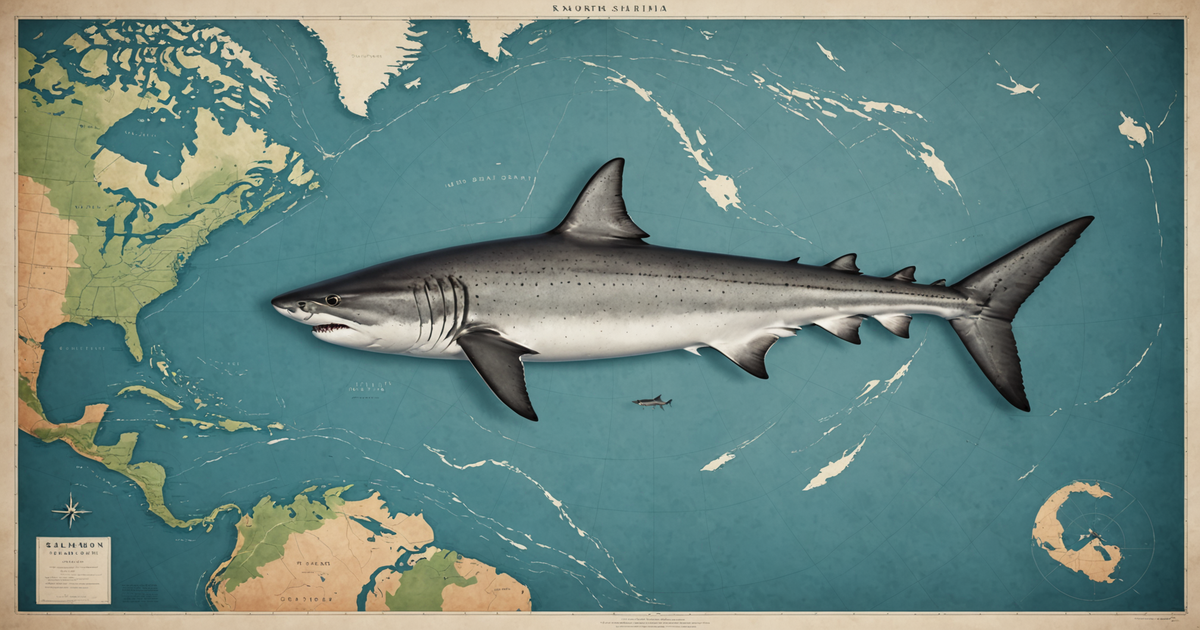
The salmon shark (Lamna ditropis) predominantly inhabits the North Pacific Ocean, with a range extending from Japan to the western coast of North America. In Alaska, these sharks are primarily found in the Gulf of Alaska and the Bering Sea. They prefer cold, temperate waters and are often spotted near the surface, especially during the summer months when they follow salmon runs. For more detail, see further information.
Salmon sharks are highly migratory creatures. Their movements are largely dictated by the availability of prey, particularly salmon, which constitutes a significant part of their diet. They are known to travel vast distances in search of food, making them a vital component of Alaska’s marine food chain. For more detail, see detailed advice.
Behaviour and Diet
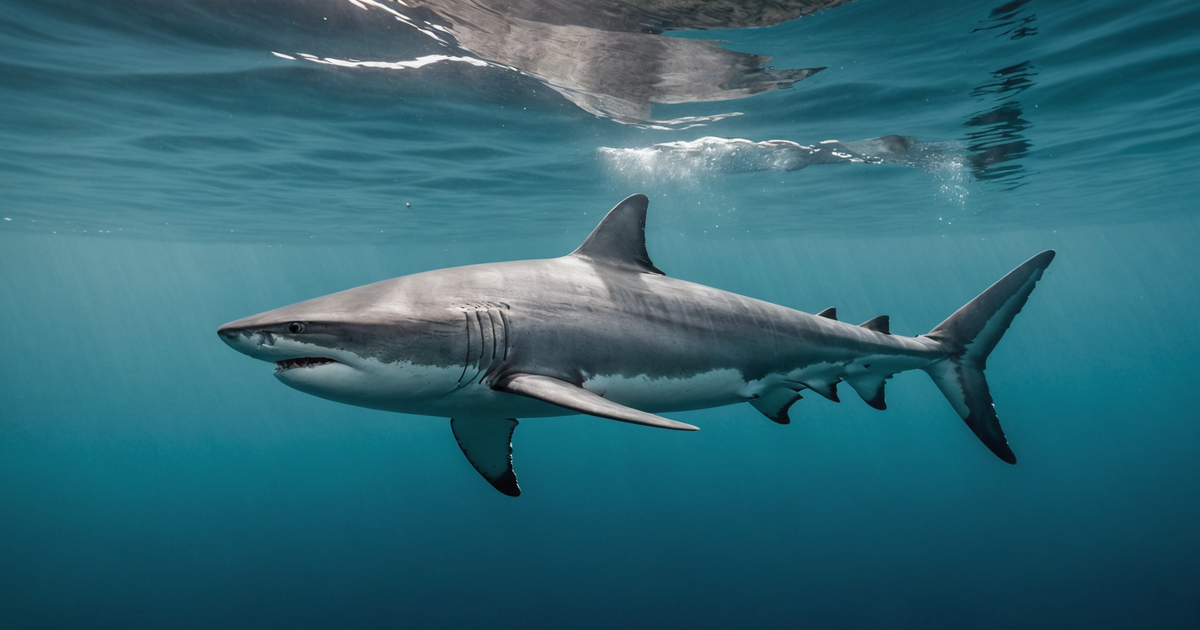
Salmon sharks are apex predators, playing a crucial role in maintaining the balance within their ecosystem. Their diet primarily consists of salmon, herring, and other fish species. They are known for their incredible speed and agility, capable of reaching speeds up to 50 km/h, which aids in their pursuit of fast-swimming prey. For more detail, see planning resources.
Interestingly, salmon sharks exhibit endothermic capabilities, meaning they can regulate their body temperature. This adaptation allows them to thrive in the cold waters of Alaska, giving them a distinct advantage over other marine predators. Their behaviour and hunting strategies are a testament to their evolutionary success in the harsh conditions of the North Pacific. For more detail, see local insights.
Importance to Alaska’s Ecosystem
The presence of salmon sharks is indicative of the health of Alaska’s marine environment. As predators, they help control fish populations, preventing any one species from dominating and disrupting the ecological balance. Their migratory patterns also serve as natural indicators of changes within the oceanic environment, such as shifts in water temperature or prey availability.
Furthermore, salmon sharks are a point of interest for eco-tourism, drawing visitors keen on observing these magnificent creatures in their natural habitat. This interest not only boosts local economies but also raises awareness about the importance of preserving Alaska’s marine biodiversity.
Conservation and Management
While salmon sharks are not currently listed as endangered, they face threats from bycatch and habitat degradation. Effective management and conservation efforts are essential to ensure their continued presence in Alaska’s waters. The Alaska Department of Fish and Game plays a pivotal role in monitoring shark populations and implementing regulations to minimise human impact.
For those interested in responsible fishing practices, understanding the regulations for sport fishing in Alaska is crucial. The NOAA Fisheries provides comprehensive guidelines for sport fishing, ensuring that enthusiasts can enjoy the activity without compromising the marine ecosystem.
Exploring Alaska: Encountering the Salmon Shark
For adventurous travellers, encountering a salmon shark in the wild is a thrilling experience. Alaska offers numerous opportunities for wildlife observation, whether through guided tours or independent exploration. The Travel Alaska website is an excellent resource for planning your trip, providing insights into the best times and places to observe these sharks.
Fishing enthusiasts might also be interested in the various fishing charters available in Alaska, which often include opportunities to spot salmon sharks. For those new to Alaska’s fishing scene, our Kasilof River fishing guide for first-timers offers valuable tips and advice.
Conclusion
The salmon shark is an integral part of Alaska’s marine ecosystem, offering a fascinating glimpse into the dynamics of oceanic life. Understanding their range, behaviour, and ecological significance enhances our appreciation of these remarkable predators and underscores the importance of their conservation. Whether you’re an avid fisherman or a curious traveller, exploring the salmon shark range in Alaska promises an unforgettable adventure.
FAQ
1. Where can I find salmon sharks in Alaska?
Salmon sharks are commonly found in the Gulf of Alaska and the Bering Sea, particularly during the summer months when they follow salmon migrations.
2. What do salmon sharks eat?
Their diet primarily consists of salmon, but they also consume herring and other fish species.
3. Are salmon sharks dangerous to humans?
Salmon sharks are not considered a significant threat to humans. They are generally elusive and prefer to avoid human interaction.
4. How do salmon sharks regulate their body temperature?
Salmon sharks have endothermic capabilities, allowing them to maintain a body temperature higher than the surrounding water, which is advantageous in cold environments.
5. What is the best time to observe salmon sharks in Alaska?
The best time to observe salmon sharks is during the summer months when they are most active and follow salmon runs.
6. Are there any conservation efforts for salmon sharks in Alaska?
Yes, organisations like the Alaska Department of Fish and Game monitor shark populations and implement regulations to protect them from overfishing and habitat degradation.
7. Can I fish for salmon sharks in Alaska?
While sport fishing regulations are in place, it is crucial to follow the NOAA Fisheries guidelines to ensure sustainable practices and protect marine life.
8. How can I learn more about fishing in Alaska?
For more information, visit the Alaska Adventure Guides for tips and resources on fishing and exploring Alaska’s waters.