

Introduction
Alaska, renowned for its breathtaking landscapes and diverse wildlife, offers a unique opportunity to witness the elusive salmon shark in its natural habitat. These remarkable creatures, often overshadowed by the larger and more notorious great white sharks, play a vital role in Alaska’s ocean ecosystems. This article delves into the fascinating world of salmon sharks in Alaska, exploring their behaviour, habitat, and significance within the marine environment. We’ll also highlight some engaging ocean tours that allow you to experience these magnificent predators firsthand. For more detail, see official guidance.
Understanding Salmon Sharks in Alaska
Salmon sharks, scientifically known as Lamna ditropis, are a species of mackerel shark found predominantly in the subarctic and temperate waters of the North Pacific Ocean. These apex predators are closely related to the great white shark and share many physical characteristics, including their robust bodies and pointed snouts. However, salmon sharks are typically smaller, averaging around 6.5 to 8 feet in length. For more detail, see further information.
Habitat and Distribution. For more detail, see detailed advice.
Salmon sharks are predominantly found in the cold waters of the North Pacific, with a notable presence in the Gulf of Alaska. They thrive in these regions due to the abundance of prey species, particularly Pacific salmon, which migrate through these waters during spawning seasons. 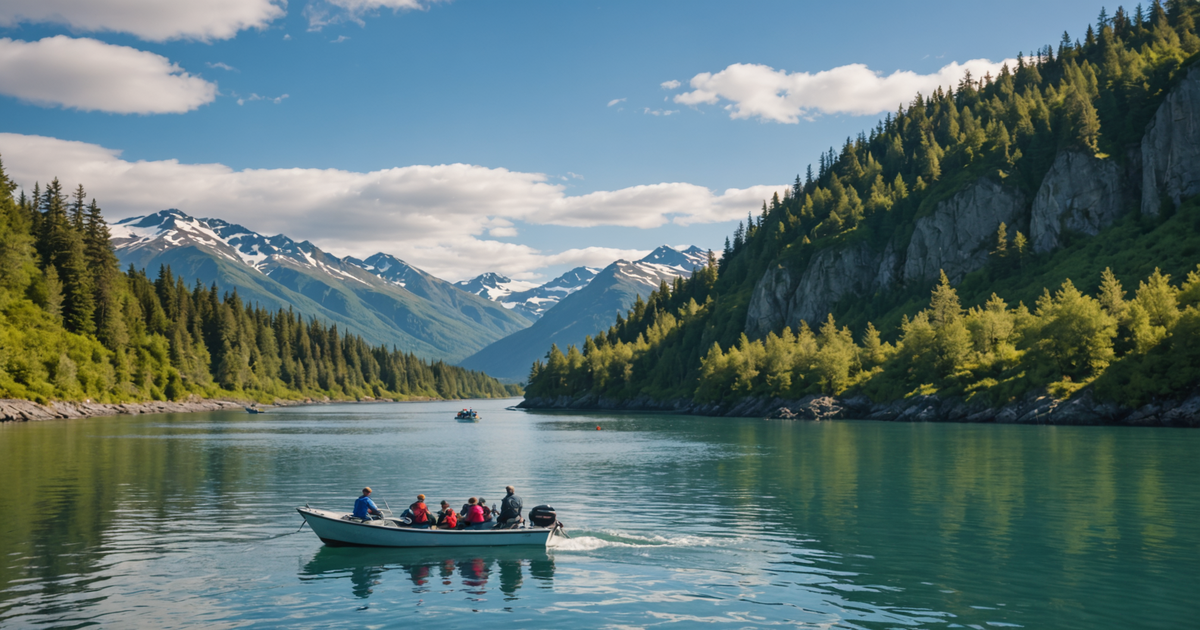 . For more detail, see planning resources.
Alaska’s vast coastline and nutrient-rich waters make it an ideal habitat for salmon sharks. They are frequently observed in inshore environments, especially during the summer months when salmon runs are at their peak. This seasonal migration is a critical feeding period for salmon sharks, ensuring their survival in the wild. For more detail, see local insights.
Behaviour and Diet
Salmon sharks are known for their impressive hunting abilities, often preying on schools of salmon. Their diet, however, is not limited to salmon alone; they also feed on other fish species, squid, and occasionally marine mammals. These sharks are equipped with sharp teeth and a powerful bite, allowing them to efficiently capture and consume their prey.
Interestingly, salmon sharks have endothermic capabilities, enabling them to maintain a higher body temperature than the surrounding water. This physiological adaptation enhances their hunting efficiency, particularly in the cold waters of Alaska.
The Role of Salmon Sharks in Alaska’s Ecosystem
Salmon sharks play a pivotal role in maintaining the balance of Alaska’s marine ecosystems. As apex predators, they help regulate the populations of their prey species, preventing any one group from dominating the ecosystem. This balance is crucial for the health and diversity of marine life in the region.
Moreover, salmon sharks contribute to the nutrient cycle within the ocean. By preying on various species, they facilitate the redistribution of nutrients, supporting the growth of phytoplankton and other microorganisms that form the base of the marine food web.
Conservation Status and Challenges
Despite their ecological importance, salmon sharks face several challenges that threaten their populations. Overfishing, bycatch, and climate change are significant concerns that impact their survival. Conservation efforts are underway to address these issues, with organisations and government agencies working to implement sustainable fishing practices and protect critical habitats.
Ocean Tours: Witnessing Salmon Sharks in Alaska
For those seeking an unforgettable adventure, Alaska offers a variety of ocean tours that provide the opportunity to observe salmon sharks in their natural environment. These tours, often led by experienced guides, offer insights into the behaviour and ecology of these fascinating creatures.
Guided Tours
Several guided salmon fishing tours in Alaska incorporate the chance to see salmon sharks as part of the experience. These tours not only focus on fishing but also provide educational narratives about the marine ecosystem and the role of salmon sharks within it.
Wildlife Cruises
Wildlife cruises around the Gulf of Alaska are another excellent way to spot salmon sharks. These cruises often include sightings of other marine wildlife, such as whales, sea lions, and seabirds, providing a comprehensive view of Alaska’s rich biodiversity.
Kayaking and Eco Tours
For the more adventurous, kayak flyfishing tours offer a unique perspective on the marine environment. Paddling through the serene waters of Alaska affords a closer connection to nature and an intimate experience with the ocean’s inhabitants.
Conclusion
Salmon sharks are a vital component of Alaska’s marine ecosystems, contributing to the ecological balance and biodiversity of the region. Understanding their behaviour and habitat is crucial for their conservation and the preservation of the ocean environment. By participating in ocean tours and supporting sustainable practices, we can ensure that future generations will have the opportunity to marvel at these magnificent creatures.
FAQ
What are salmon sharks?
Salmon sharks are a species of mackerel shark found in the North Pacific Ocean, closely related to the great white shark. They are known for their adaptability to cold waters and their role as apex predators in Alaska’s marine ecosystems.
Where can I see salmon sharks in Alaska?
Salmon sharks are most commonly observed in the Gulf of Alaska and near coastal areas during the summer months, especially during salmon runs. Participating in wildlife cruises or guided tours can increase your chances of seeing them.
Are salmon sharks dangerous to humans?
Salmon sharks are generally not considered a threat to humans. They primarily feed on fish and other marine animals and are rarely encountered by swimmers or divers.
How large do salmon sharks grow?
Salmon sharks typically grow to about 6.5 to 8 feet in length, with some individuals reaching up to 10 feet. They are smaller than their relatives, the great white sharks.
What do salmon sharks eat?
Their diet mainly consists of Pacific salmon, but they also prey on other fish species, squid, and occasionally marine mammals. Their hunting efficiency is enhanced by their ability to maintain a warmer body temperature.
How can I support salmon shark conservation?
Supporting sustainable fishing practices and participating in eco-friendly tours can contribute to the conservation of salmon sharks. Educating others about their importance and the challenges they face is also crucial.
Are there regulations on fishing for salmon sharks in Alaska?
Yes, there are specific regulations and guidelines in place to manage and protect salmon shark populations. It’s important to follow these regulations to ensure their sustainability.
What is the best time to visit Alaska for salmon shark tours?
The best time to visit Alaska for salmon shark tours is during the summer months, particularly from June to August, when salmon runs attract these predators closer to shore.