
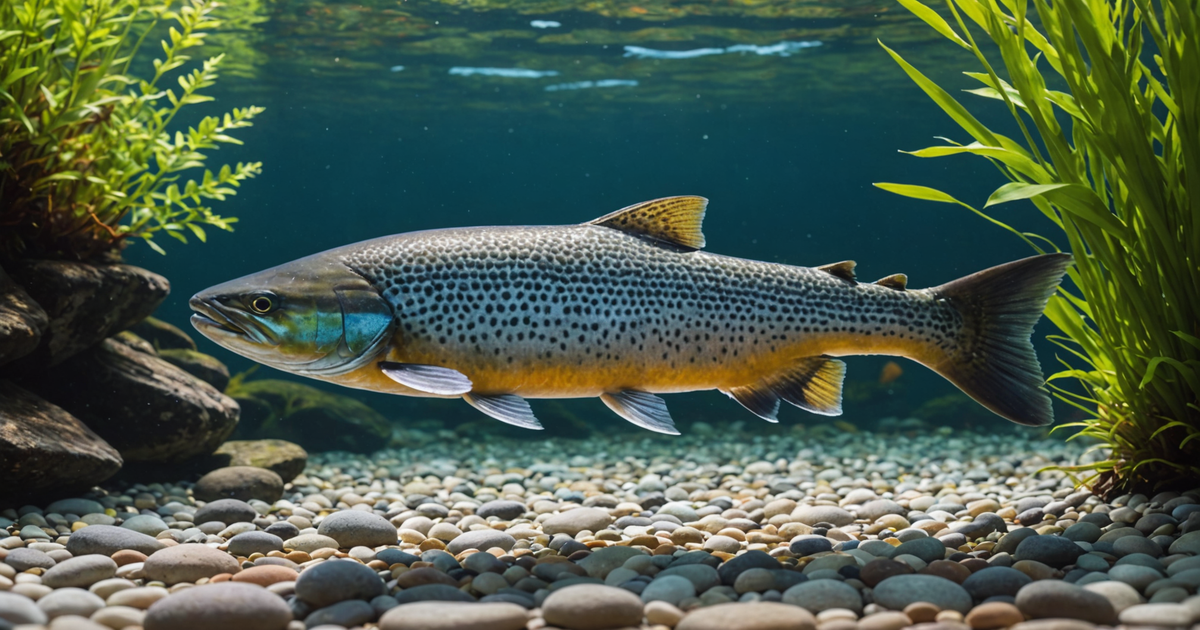
Introduction
The Pacific salmon is a highly esteemed fish, both ecologically and economically, particularly in the rich waters of Alaska. Known for their epic migrations and vibrant life cycles, these fish are vital to the cultures and economies of the region. Understanding the scientific name for Pacific salmon species is essential for those who study marine biology, participate in sustainable fishing, or enjoy recreational fishing in Alaska’s pristine environments. This guide will delve into the scientific classification of Pacific salmon, the unique characteristics of each species, and their significance in Alaskan waters. For more detail, see official guidance.
Scientific Classification of Pacific Salmon
The Genus Oncorhynchus. For more detail, see further information.
The genus Oncorhynchus encompasses all Pacific salmon species. This genus is part of the family Salmonidae and is distinct from Atlantic salmon, which belong to the genus Salmo. The name Oncorhynchus is derived from Greek, where “onco” means hook and “rhynchus” refers to snout, describing the hooked snout seen in adult males during spawning. For more detail, see detailed advice.
Key Species of Pacific Salmon. For more detail, see planning resources.
1. Chinook Salmon (Oncorhynchus tshawytscha). For more detail, see local insights.
Known as the king salmon, the Chinook is the largest of the Pacific salmon species. They are highly prized for their size and flavour, making them a favourite among both commercial and sport fishermen.
2. Coho Salmon (Oncorhynchus kisutch)
Coho salmon are known for their acrobatic leaps and are a popular target for anglers. These fish are smaller than Chinook but are renowned for their fighting spirit and rich taste.
3. Sockeye Salmon (Oncorhynchus nerka)
Also known as red salmon due to their striking colour during spawning, sockeye salmon are known for their long migrations from ocean to freshwater spawning grounds.
4. Pink Salmon (Oncorhynchus gorbuscha)
Pink salmon are the smallest and most abundant of the Pacific salmon species. They are often used in canned salmon products and are critical to commercial fisheries.
5. Chum Salmon (Oncorhynchus keta)
Chum salmon, or dog salmon, are known for their large teeth and less vibrant colouration compared to other salmon. They play a crucial role in subsistence and commercial fisheries.
The Role of Pacific Salmon in Alaska
Ecological Importance
Pacific salmon are a keystone species in Alaskan ecosystems. They provide a vital food source for a variety of wildlife, including bears, eagles, and other fish. The nutrients from decaying salmon carcasses enrich the soil and support the growth of surrounding vegetation.
Economic and Cultural Significance
Salmon fishing is a cornerstone of Alaska’s economy, with commercial, recreational, and subsistence fishing all playing significant roles. For those interested in learning more about the fishing gear required for such an endeavour, exploring the best fishing equipment is advisable. Additionally, Pacific salmon hold cultural significance for indigenous communities in Alaska, who have relied on these fish for sustenance and livelihood for generations.
Conservation and Sustainable Practices
The conservation of Pacific salmon is crucial, given their ecological and economic importance. Efforts to maintain sustainable fishing practices are ongoing, with organisations and government bodies working to ensure that salmon populations remain healthy. For more insights into sustainable fishing practices in Alaska, visit this resource on sustainable practices.
Conclusion
Understanding the scientific names and classifications of Pacific salmon is more than an academic exercise. It is about recognising the intricate connections between these fish and the ecosystems they inhabit, as well as their profound impact on human activities in Alaska. As we continue to study and appreciate these magnificent creatures, it is essential to support sustainable practices that protect their populations for future generations.
FAQ
What is the scientific name for Chinook salmon?
The scientific name for Chinook salmon is Oncorhynchus tshawytscha.
How many species of Pacific salmon are there?
There are five primary species of Pacific salmon: Chinook, Coho, Sockeye, Pink, and Chum.
Why are Pacific salmon important to Alaska’s ecosystem?
Pacific salmon are a keystone species that provide vital nutrients to the ecosystem, supporting a wide range of wildlife and plant life.
How can I learn about fishing regulations in Alaska?
For comprehensive information on fishing regulations in Alaska, you can visit the Alaska Department of Fish and Game.
Where can I go salmon fishing in Alaska?
Alaska offers numerous salmon fishing opportunities. Check out this guide to Alaska fishing charters for more information.
What efforts are being made to conserve Pacific salmon?
Efforts include sustainable fishing practices, habitat restoration, and careful monitoring of salmon populations. Learn more about conservation efforts.
Are there recreational activities related to salmon fishing in Alaska?
Yes, there are numerous recreational activities related to salmon fishing, including guided tours and sport fishing experiences.
How can I plan a successful fishing trip to Alaska?
For tips on planning a successful fishing trip to Alaska, visit this comprehensive guide.