
Introduction
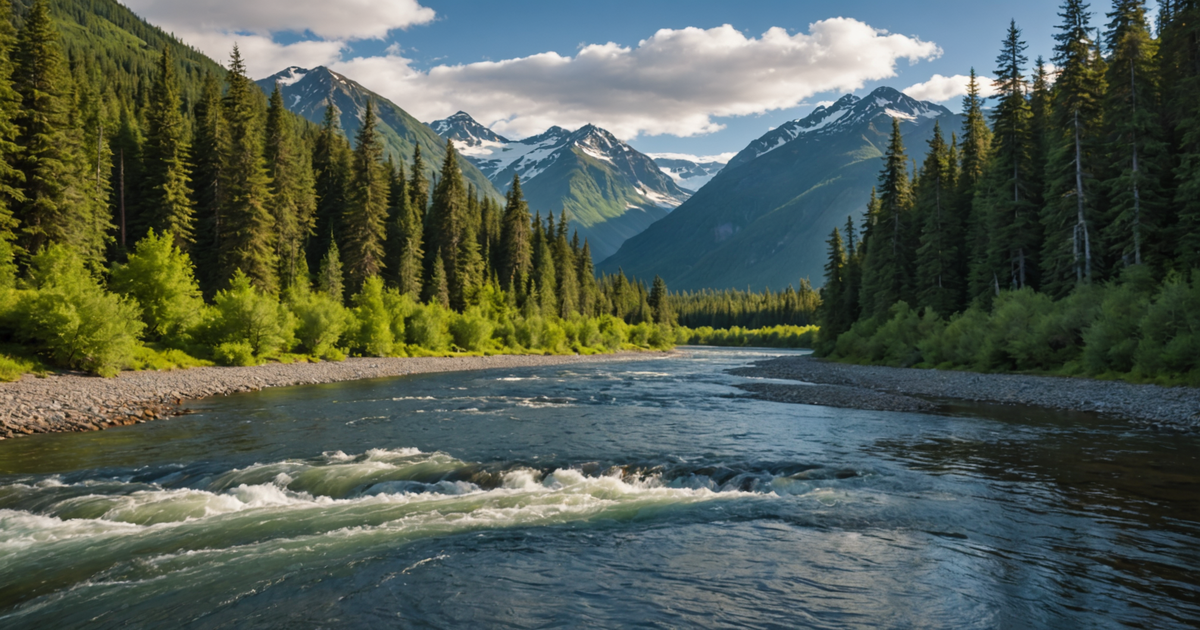
Alaska, the Last Frontier, is a realm of untouched beauty and abundant wildlife, offering a plethora of adventures for those who seek them. Among its most mesmerizing natural events is the salmon run, a magnificent spectacle that draws anglers and nature enthusiasts from all corners of the globe. If you’re planning a trip to witness or participate in this iconic event, understanding when the salmon runs in Alaska is crucial. This guide will provide you with the essential details to ensure your Alaskan journey is both rewarding and memorable. For more detail, see official guidance.
Understanding the Salmon Run Phenomenon
Salmon runs in Alaska are a vital part of the state’s ecosystem. Each year, millions of salmon migrate from the ocean back to their natal freshwater streams to spawn. This journey is not only pivotal for the reproduction of salmon but also supports a wide array of wildlife and the local fishing economy. There are five main species of Pacific salmon found in Alaska: King (Chinook), Sockeye (Red), Coho (Silver), Pink (Humpy), and Chum (Dog). Each species has distinct run timings and patterns, which can vary based on specific river systems and environmental conditions. For more detail, see further information.
Peak Salmon Run Seasons
King Salmon (Chinook)
The King Salmon, revered for its size and strength, typically begins its run in mid-May, with peaks in June through July. Anglers flock to rivers like the Kenai and Kasilof to try their luck at landing one of these prized fish. Explore the Kenai for a chance to catch a King Salmon during its peak season. For more detail, see detailed advice.
Sockeye Salmon (Red)
Sockeye Salmon are known for their vibrant colour and are a favourite among both anglers and commercial fishers. Their runs usually start in early June, reaching their zenith in mid to late July. The Bristol Bay area is renowned for its prolific Sockeye runs, offering spectacular fishing opportunities. For more detail, see planning resources.
Coho Salmon (Silver)
The Coho Salmon run begins later in the summer, typically from late July to October. These fish are known for their spirited fight and are a popular target for sport fishing. The Sitka area is an excellent destination for those seeking Coho Salmon adventures. For more detail, see local insights.
Pink Salmon (Humpy)
Pink Salmon runs occur on a biennial cycle, peaking during odd-numbered years. Their runs start in mid-July and extend through September. Pinks are particularly abundant in Southeast Alaska, making it a prime location for those interested in catching them.
Chum Salmon (Dog)
Chum Salmon are often overshadowed by other species but provide excellent sport fishing opportunities. Their runs generally start in June and continue through September, with the Yukon River being a notable location for Chum fishing.
Planning Your Alaskan Fishing Adventure
Successfully planning a trip to coincide with the salmon runs requires careful consideration of several factors:
- Timing and Location: Research the specific river systems and their associated peak salmon run times. The Alaska Department of Fish and Game provides detailed run timing charts and forecasts.
- Regulations and Licences: Ensure you are familiar with and adhere to the fishing regulations, which vary by location and species. Obtain the necessary licences before your trip.
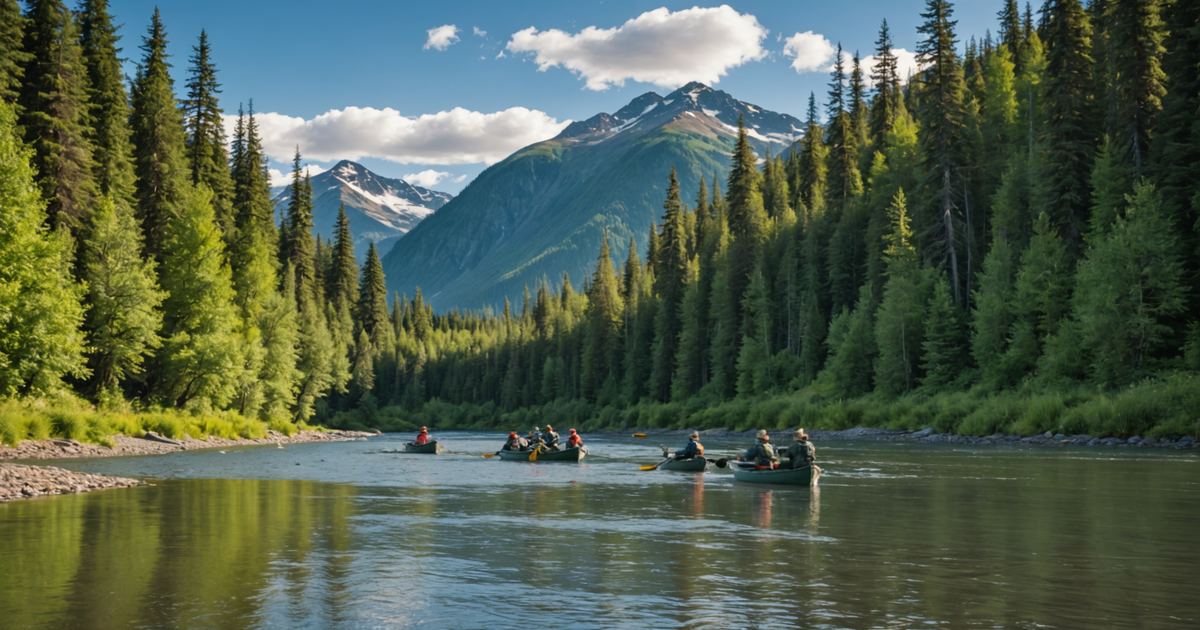
- Guided Tours and Charters: For those new to Alaskan fishing, hiring a guide can enhance your experience. Consider the Historic Chulitna River Lodge Tours for an immersive adventure.
- Accommodation and Logistics: Book accommodations well in advance, especially during peak seasons. Many lodges offer all-inclusive packages that cover lodging, meals, and guided fishing tours.
Sustainable Fishing Practices
Engaging in sustainable fishing practices is crucial to maintaining Alaska’s rich natural resources. Practise catch-and-release where appropriate, and always follow local guidelines to minimise your environmental impact. For more insights into sustainable fishing, explore sustainable practices.
Conclusion
The salmon runs in Alaska are truly a spectacle of nature, offering both a challenge and a reward for those who partake. By understanding the timing and locations of these runs, you can plan an unforgettable trip that aligns with the peaks of this natural phenomenon. Whether you’re an experienced angler or a curious observer, Alaska’s salmon runs provide a unique opportunity to connect with nature and appreciate the beauty of the wild.
FAQ
When are the salmon runs in Alaska?
Salmon runs in Alaska vary by species and location, generally occurring from May through October. King Salmon runs peak in June and July, while Sockeye and Coho Salmon have their peaks in mid-July and late summer, respectively.
Where is the best place to fish for salmon in Alaska?
Alaska offers numerous prime fishing locations, including the Kenai Peninsula, Bristol Bay, and Southeast Alaska. Each region has its own peak times for different salmon species.
Do I need a licence to fish in Alaska?
Yes, a fishing licence is required for both residents and non-residents. Specific licences are needed for different types of fishing, and these can be obtained from the Alaska Department of Fish and Game.
What gear should I bring for salmon fishing in Alaska?
Essential gear includes a sturdy fishing rod, appropriate tackle, and rain gear. Consider consulting a fishing guide for more detailed advice tailored to your chosen location and salmon species.
Are there guided fishing tours available in Alaska?
Yes, guided tours are available and highly recommended for first-time visitors. Companies like Alaska Adventure Guides offer comprehensive packages that enhance the fishing experience.
Can I fish for salmon year-round in Alaska?
Salmon fishing is seasonal in Alaska, with runs generally occurring from May to October. However, some species and locations may offer limited fishing opportunities outside these months.
What are the best sustainable fishing practices to follow?
Practise catch-and-release where possible, use barbless hooks, and adhere to all local regulations. For more sustainable fishing tips, explore sustainable fishing practices.
What wildlife can I expect to see during the salmon runs?
In addition to salmon, expect to see bears, eagles, and other wildlife that are drawn to the rivers during the runs. Alaska’s rich biodiversity is on full display during this time, making it a must-see for nature lovers.