
Introduction
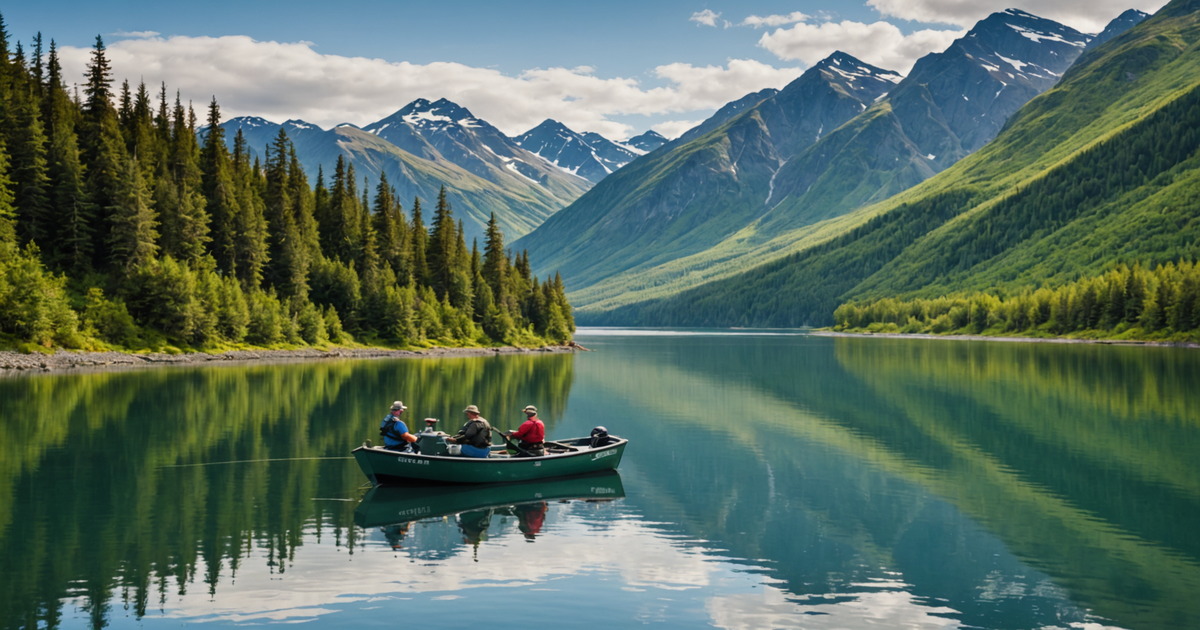
Alaska, with its vast wilderness and pristine waters, stands as an angler’s dream destination. When it comes to fishing, the state offers an unparalleled experience, especially for those interested in both salmon and halibut fishing. Combining these two iconic fish in one trip provides not only an exhilarating challenge but also an opportunity to experience the breathtaking beauty of Alaska’s natural landscapes. This blog post will guide you through everything you need to know about booking Alaska salmon and halibut fishing trips, ensuring you have a memorable adventure. For more detail, see official guidance.
Why Choose Alaska for Salmon and Halibut Fishing?
Alaska’s reputation for world-class fishing is well-deserved. The state’s extensive coastline and numerous rivers and streams provide an ideal habitat for a variety of fish species. Notably, Alaska is home to all five species of Pacific salmon: King, Sockeye, Coho, Pink, and Chum. Its waters also boast some of the largest halibut in the world. The combination of these species makes Alaska a prime location for anglers seeking diverse and rewarding fishing experiences. For more detail, see further information.
The state’s commitment to sustainable fishing practices ensures that its waters remain bountiful year after year. Regulations are strictly enforced to maintain healthy fish populations, making Alaska a model for responsible fishing tourism. For more information on fishing regulations in Alaska, you can visit the Alaska Department of Fish and Game. For more detail, see detailed advice.
Planning Your Fishing Trip
Choosing the Right Time. For more detail, see planning resources.
Timing is crucial when planning your fishing trip to Alaska. The salmon and halibut fishing seasons overlap but understanding the peak times for each species can enhance your experience. Typically, the best months for salmon fishing are from May to September, with King Salmon peaking in June and July. Halibut fishing is generally excellent from May through September, with June to August being particularly productive. For more detail, see local insights.
Selecting a Location
Alaska offers various locations for salmon and halibut fishing, each with its unique charm and advantages. Popular destinations include:
- Kenai Peninsula: Renowned for its large King Salmon and accessible halibut fishing.
- Kodiak Island: Offers remote fishing opportunities with abundant wildlife viewing.
- Southeast Alaska: Known for its scenic beauty and diverse fish species.
For detailed information on specific fishing spots, Travel Alaska provides comprehensive guides.
Booking a Guided Trip
While seasoned anglers might opt for self-guided adventures, booking a guided trip can significantly enhance your experience, especially if you are new to Alaskan waters. Guides offer local knowledge on the best fishing spots, techniques, and ensure compliance with local regulations. Companies like Screamin’ Reels provide expert guidance and equipment to ensure a successful fishing trip.
What to Expect on Your Fishing Trip
The Experience
Fishing for salmon and halibut in Alaska is as much about the journey as it is about the catch. You’ll find yourself immersed in stunning landscapes, from rugged coastlines to majestic mountains. Wildlife sightings are common, with eagles, bears, and whales often making an appearance.
Techniques and Equipment
The fishing techniques used can vary according to the targeted species. For salmon, trolling and drift fishing are popular. Halibut fishing often involves deep-sea fishing techniques. To maximise your success, consider learning about specific salmon fishing techniques and halibut fishing methods.
Culinary Delights
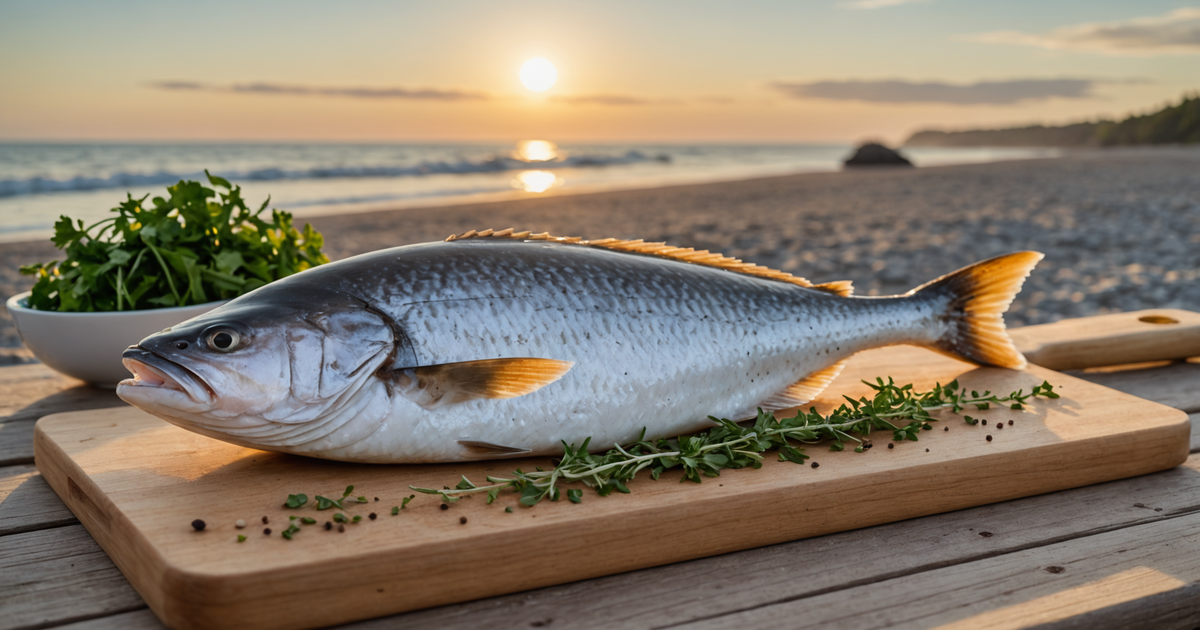
One of the perks of a successful fishing trip is the opportunity to enjoy fresh, self-caught seafood. Alaska’s rich culinary traditions include a variety of salmon and halibut dishes. For those interested in exploring Alaskan cuisine further, you can dive into Alaskan salmon candy for a delicious treat.
Conclusion
Alaska offers an unparalleled experience for anglers seeking the thrill of salmon and halibut fishing. With its stunning landscapes, diverse wildlife, and rich fishing opportunities, a trip to Alaska promises more than just a fishing adventure. By understanding the best times, locations, and techniques, and choosing the right guide, you can ensure a trip that is both successful and memorable. Whether you’re a seasoned angler or a novice, the allure of Alaska’s waters is sure to captivate you.
FAQ
1. What is the best time of year for Alaska salmon and halibut fishing trips?
The peak season for salmon and halibut fishing generally runs from May to September, with the highest activity for King Salmon in June and July, and excellent halibut fishing from June to August.
2. Do I need a fishing license for salmon and halibut fishing in Alaska?
Yes, a fishing license is required for both residents and non-residents in Alaska. You can obtain one through the Alaska Department of Fish and Game.
3. Can I book a fishing trip with a guide in Alaska?
Absolutely. Booking a guided trip is recommended for those unfamiliar with Alaskan waters. Guides provide valuable local knowledge and equipment to enhance your fishing experience.
4. What are some recommended locations for salmon and halibut fishing in Alaska?
Popular locations include the Kenai Peninsula, Kodiak Island, and Southeast Alaska. Each location offers unique experiences and abundant fishing opportunities.
5. What techniques are commonly used for fishing salmon and halibut?
For salmon, techniques like trolling and drift fishing are popular, while halibut fishing often involves deep-sea methods. Learning specific fishing techniques can improve your success.
6. Are there culinary options available to enjoy my catch in Alaska?
Yes, many lodges and guides offer services to prepare your catch. Alaskan cuisine is rich with salmon and halibut dishes, providing a delightful culinary experience.
7. What wildlife might I encounter on a fishing trip in Alaska?
Alaska’s wilderness is home to a variety of wildlife, including eagles, bears, and whales, making your fishing trip an extraordinary experience beyond just fishing.
8. How do I ensure a sustainable fishing experience in Alaska?
Adhering to local regulations and practicing catch-and-release where applicable are key. Guides often promote sustainable practices to preserve fish populations for future generations.