
Introduction
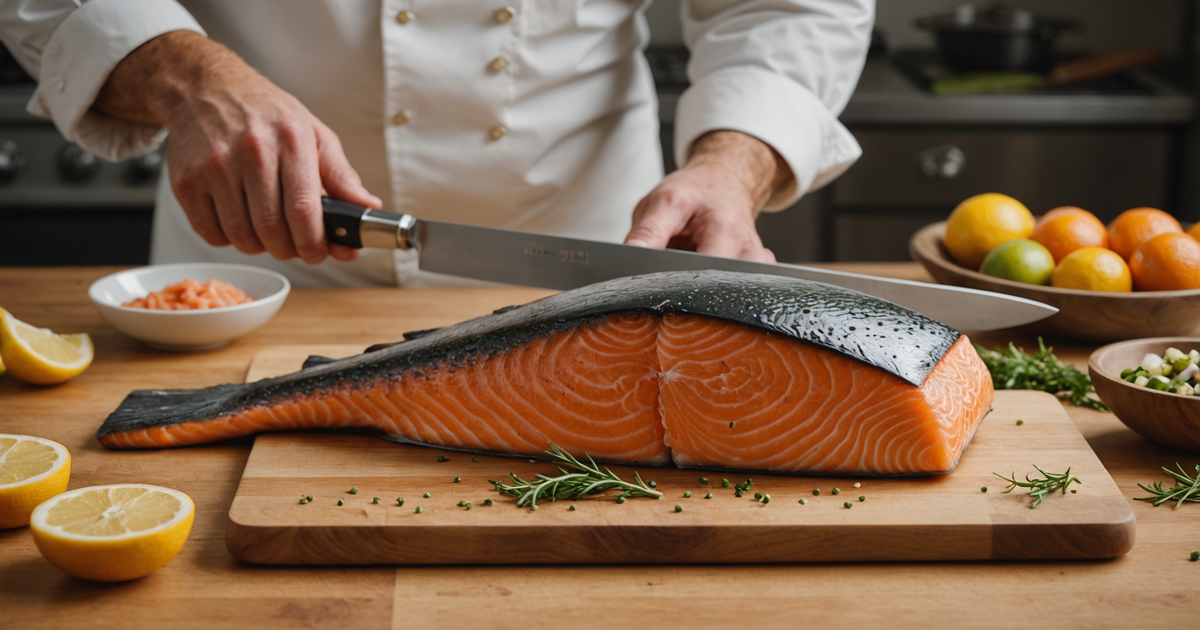
Filleting king salmon is an essential skill for any angler venturing into the wild, pristine waters of Alaska. Known for their size, strength, and taste, king salmon offer not only a thrilling catch but also a culinary delight. Whether you’re a seasoned fisherman or a novice, understanding how to properly fillet king salmon will enhance your fishing experience and ensure you get the most out of your catch. In this guide, we will walk you through step-by-step instructions on filleting king salmon, while also discussing the importance of responsible fishing practices in Alaska. . For more detail, see official guidance.
Understanding King Salmon
King salmon, also known as chinook salmon, are the largest species of Pacific salmon, often weighing between 20 to 50 pounds, with some even reaching up to 100 pounds. These magnificent fish are prized not only for their size but also for their rich, flavourful flesh, making them a favourite among anglers and gourmet chefs alike. For more detail, see further information.
The Importance of Responsible Fishing. For more detail, see detailed advice.
Fishing responsibly in Alaska is crucial for preserving its rich ecosystems and ensuring future generations can enjoy its natural beauty. Familiarising yourself with the Alaska Department of Fish and Game regulations is essential. These guidelines help maintain sustainable fish populations and protect the diverse wildlife in the region. Moreover, practicing catch and release or adhering to size limits can significantly impact conservation efforts. For more detail, see planning resources.
Tools Required for Filleting King Salmon
Before starting, ensure you have the right tools:. For more detail, see local insights.
- Fillet Knife: A sharp fillet knife is crucial. Look for one with a flexible blade, around 6 to 9 inches long.
- Cutting Board: A large, non-slip cutting board will provide a stable surface.
- Pliers: Useful for removing pin bones.
- Cloth or Towel: To keep the fish and your hands dry, ensuring safety and precision.
- Fish Clippers: For those finer cuts, consider using fishing clippers designed for clean cuts.
Step-by-Step Guide to Filleting King Salmon
Preparation
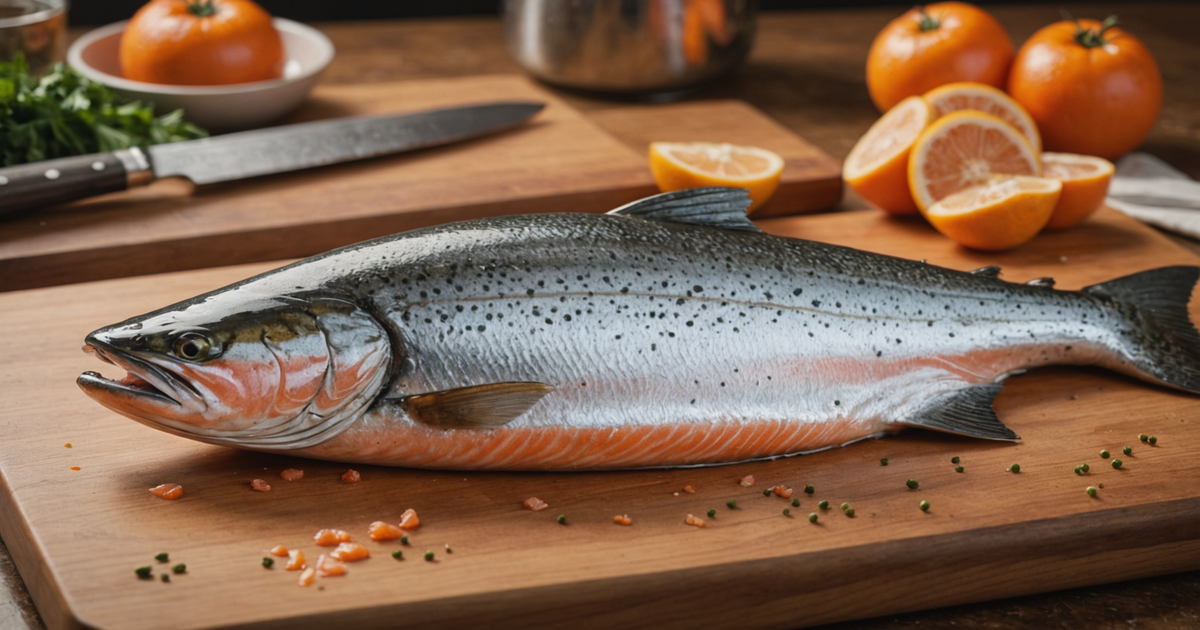
Begin by thoroughly rinsing the salmon in cold water to remove any slime and debris. Pat it dry with a clean towel. Place the fish on your cutting board with the head facing you.
Making the Initial Cut
- Cut Behind the Gills: Start by making a diagonal cut behind the gills towards the head. This incision separates the fillet from the head.
- Cut Along the Backbone: Turn the fish so its dorsal side is facing you. Make a long, steady cut along the backbone, starting from the head towards the tail. Use the backbone as a guide to ensure a clean cut.
Removing the Fillet
- Separate the Fillet: As you cut along the backbone, gently lift the fillet with your other hand. Continue slicing until the fillet is completely separated from the body.
Repeat on the Other Side
- Flip the Fish: Turn the fish over and repeat the process on the other side. This time, start from the tail and move towards the head for better leverage.
Deboning the Fillet
- Remove the Rib Bones: Slide your knife under the rib bones and carefully slice them away from the fillet.
- Remove Pin Bones: Use pliers to pull out the pin bones. Run your fingers along the fillet to feel for any remaining bones and remove them.
Skinning the Fillet
- Detach the Skin: Starting at the tail end, angle your knife slightly and cut between the skin and flesh. Hold the skin firmly and pull it taut as you move the knife along the length of the fillet.
Cooking and Enjoying Your Salmon
Now that you have perfectly filleted the king salmon, it’s time to enjoy the fruits of your labour. King salmon’s rich flavour lends itself well to a variety of cooking methods, from grilling to smoking. Consider trying Alaskan Salmon Candy, a local delicacy that transforms salmon into a sweet and savoury treat.
Conclusion
Mastering the art of filleting king salmon not only enhances your fishing experience but also ensures you make the most of your catch. By understanding the process and practicing responsible fishing, you contribute to the conservation of Alaska’s natural resources. For those planning a fishing trip, exploring Alaska’s fishing destinations will offer a memorable adventure filled with scenic beauty and plentiful catches.
FAQ
How do I know if my fillet knife is sharp enough?
A sharp fillet knife should easily slice through paper or a thin piece of fish without resistance. Regularly sharpening your knife will ensure clean cuts and reduce the risk of accidents.
Can I freeze king salmon fillets?
Yes, king salmon fillets can be frozen. Wrap them tightly in plastic wrap and place them in a zip-lock bag to prevent freezer burn. For best quality, consume within three months.
What is the best way to cook king salmon fillets?
Grilling, baking, and smoking are popular methods for cooking king salmon. Each method enhances the fish’s natural flavours differently. Consider experimenting to find your favourite.
How can I ensure I am fishing responsibly in Alaska?
Familiarise yourself with the Alaska fishing regulations and practice catch and release when necessary. Adhering to size and bag limits helps preserve fish populations.
Are there guided fishing trips in Alaska?
Yes, there are many fishing charters in Alaska that offer guided trips. These can be a great way to learn more about local fishing techniques and regulations.
What should I do if I catch a salmon that doesn’t meet the size requirements?
If a salmon doesn’t meet the size requirements, it is important to carefully release it back into the water. Handle the fish as little as possible and keep it in the water to increase its chances of survival.
Is there a specific season for king salmon fishing in Alaska?
Yes, the Alaska salmon season varies by region and species. It’s crucial to check local regulations for specific dates and restrictions.
What are some other fish species I can catch in Alaska?
Aside from king salmon, Alaska offers opportunities to catch a variety of fish including arctic grayling, trout, and halibut. Exploring different fishing destinations in Alaska can provide diverse fishing experiences.