
Introduction
Alaska, with its pristine waters and breathtaking landscapes, is a haven for anglers worldwide. The state’s legendary salmon runs offer a unique opportunity to witness one of nature’s most impressive spectacles, as well as the chance to reel in some of the most prized catches. Understanding the salmon run schedule in Alaska is crucial for planning a successful fishing adventure, ensuring that you arrive at the peak times for each salmon species. In this comprehensive guide, we’ll explore the timing of these runs, the best locations to fish, and how to make the most of your Alaskan adventure. For more detail, see official guidance.
Understanding the Salmon Run Schedule
The salmon run in Alaska is a seasonal event where salmon migrate from the ocean back to their freshwater birthplaces to spawn. This journey is not only a critical life cycle event but also a prime time for fishing. The five main species of salmon found in Alaska—Chinook, Sockeye, Coho, Pink, and Chum—each have their own schedules and peak times. For more detail, see further information.
Chinook Salmon. For more detail, see detailed advice.
Chinook, also known as King Salmon, are the largest and most sought-after. Their runs typically begin in May and last through July, with the peak occurring in June. These majestic fish can be found in rivers such as the Kenai and the Kasilof, where guided salmon fishing in Alaska can help maximise your catch. For more detail, see planning resources.
Sockeye Salmon. For more detail, see local insights.
Sockeye Salmon are renowned for their rich flavour and vibrant red flesh. Their runs usually start in mid-June and continue through July. The Bristol Bay area is a hotspot for Sockeye fishing, offering anglers the chance to experience one of the largest salmon runs in the world.
Coho Salmon
Known for their acrobatics and aggressive behaviour, Coho Salmon are a favourite among sport fishers. Their runs occur from late July to September, peaking in August. The Kenai Peninsula and the Kasilof River are popular destinations for Coho fishing, providing excellent opportunities for both beginners and seasoned anglers.
Pink and Chum Salmon
Pink Salmon, or Humpies, have a two-year lifecycle, leading to larger runs in even-numbered years. Their runs occur from July to August. Chum Salmon, on the other hand, run from June to September, with a peak in July. These species are abundant in areas such as Southeast Alaska and the Yukon River.
Best Locations for Salmon Fishing
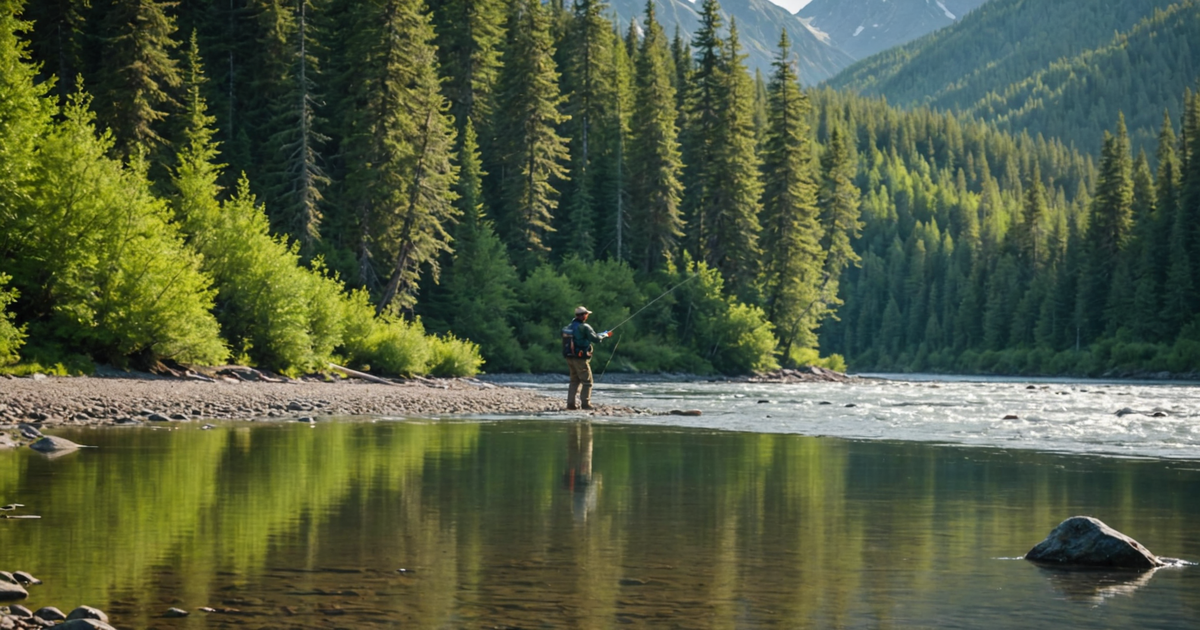
Alaska’s diverse geography offers a multitude of fishing locations, each with its unique charm and challenges. Here are some of the top spots to consider:
Kenai Peninsula
The Kenai Peninsula is a world-renowned fishing destination, known for its large Chinook and Sockeye Salmon. The Kenai River, in particular, boasts some of the largest King Salmon catches on record. Anglers visiting this area can enjoy a range of activities, from fly fishing to boat charters.
Kasilof River
The Kasilof River is a quieter alternative to the bustling Kenai, offering excellent fishing for Chinook and Sockeye Salmon. This river is ideal for those seeking a more relaxed experience, with opportunities for both shore and drift boat fishing. First-timers can benefit from a Kasilof River fishing guide to enhance their adventure.
Bristol Bay
Bristol Bay is synonymous with Sockeye Salmon, hosting one of the largest runs globally. This area provides unparalleled fishing experiences, with vast numbers of salmon returning each year. For those interested in sustainable fishing practices, Bristol Bay is a prime example of successful conservation efforts.
Southeast Alaska
For those interested in Pink and Chum Salmon, Southeast Alaska offers abundant opportunities. This region is characterised by its lush rainforests and pristine waters, creating a stunning backdrop for any fishing trip.
Planning Your Trip
When planning your trip to coincide with the salmon run schedule in Alaska, consider the following factors:
Timing and Permits
Ensure you check the specific timing for each salmon species and obtain the necessary fishing permits. The Alaska Department of Fish and Game provides comprehensive information on regulations and permits required for fishing in different regions.
Guided Tours
Booking a guided tour can enhance your experience, providing expert knowledge and access to prime fishing spots. Consider options like guided salmon fishing in Alaska to ensure a fruitful adventure.
Gear and Equipment
Having the right gear is crucial for a successful fishing trip. Invest in quality equipment, such as the best fishing clippers for clean-cut lines, to ensure you’re well-prepared for the Alaskan wilderness.
Conclusion
The Alaska salmon run is a remarkable natural event that attracts anglers from around the globe. By understanding the salmon run schedule and planning accordingly, you can ensure a successful and memorable fishing trip. Whether you’re targeting the mighty Chinook or the acrobatic Coho, Alaska offers unparalleled fishing opportunities in some of the world’s most stunning settings.
FAQ
What is the best time to fish for salmon in Alaska?
The best time to fish for salmon in Alaska varies by species. Generally, Chinook runs from May to July, Sockeye from mid-June to July, Coho from late July to September, and Pink and Chum from July to August.
Do I need a fishing licence to fish in Alaska?
Yes, a fishing licence is required to fish in Alaska. Licences can be obtained through the Alaska Department of Fish and Game.
Can I fish for salmon in Alaska without a guide?
While it’s possible to fish without a guide, hiring a guided salmon fishing tour can provide valuable expertise and access to the best fishing locations.
What gear should I bring for salmon fishing in Alaska?
Essential gear includes a sturdy fishing rod, reel, and line. Consider investing in quality equipment like the best fishing clippers for clean-cut lines.
Are there restrictions on the number of salmon I can catch?
Yes, there are regulations on the number of salmon you can catch, which vary by region and species. Check the Alaska fishing regulations for current limits.
Where is the best place to fish for Sockeye Salmon in Alaska?
Bristol Bay is renowned for its massive Sockeye Salmon runs, providing some of the best fishing opportunities.
What should I consider when planning an Alaskan fishing trip?
Consider the timing of salmon runs, obtain necessary permits, and explore guided tours for an enhanced experience. Resources like Travel Alaska offer valuable planning tips.
Are there sustainable fishing practices in place in Alaska?
Yes, Alaska is committed to sustainable fishing practices, particularly in areas like Bristol Bay, ensuring the preservation of salmon populations for future generations.