
Introduction
Alaska, a land famed for its breathtaking wilderness and diverse wildlife, offers some of the most exhilarating fishing experiences in the world. Among the many fish species that lure anglers to the state, the northern pike, often referred to as the Alaskan pike, stands out for its size and ferocity. Known for its voracious appetite and powerful strikes, the Alaskan pike is a favourite target for both novice and seasoned anglers. In this guide, we will explore the best locations for pike fishing in Alaska, essential techniques, and how to plan a successful fishing trip to this stunning region. For more detail, see official guidance.
The Alaskan Pike: An Overview
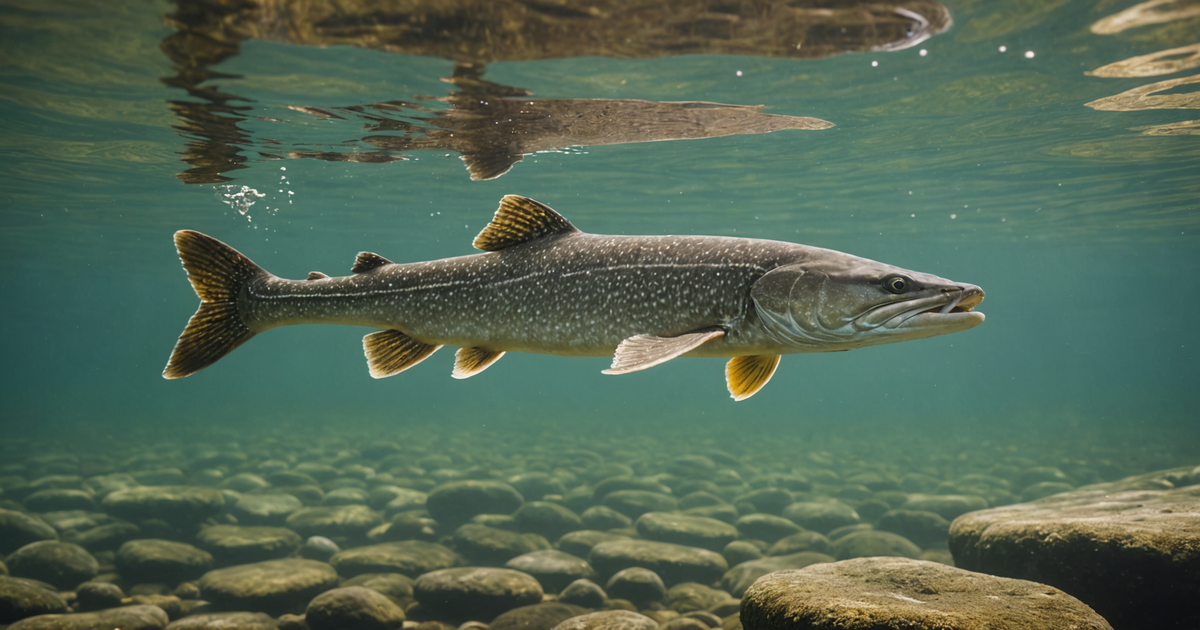
The northern pike (Esox lucius) is a carnivorous fish that thrives in the cold, clear waters of Alaska. These predatory fish are easily identifiable by their elongated bodies, sharp teeth, and distinctive markings. They are known for reaching impressive sizes, often exceeding 40 inches in length and weighing over 20 pounds. This makes them a sought-after catch for anglers seeking a trophy fish. For more detail, see further information.
The Alaskan pike inhabits various water bodies, including rivers, lakes, and streams. They are particularly abundant in the waters of the Interior and Southcentral regions of Alaska. For those interested in sustainable fishing practices, it’s important to note that the Alaska Department of Fish and Game regulates fishing to ensure healthy fish populations and habitat conservation. For more detail, see detailed advice.
Best Locations for Alaskan Pike Fishing
Minto Flats. For more detail, see planning resources.
Located in the heart of Alaska, Minto Flats is a renowned destination for pike fishing. This expansive wetland area is home to some of the largest pike in the state, thanks to its nutrient-rich waters and abundant prey. Anglers can expect to encounter pike measuring over 45 inches here. For more detail, see local insights.
Kenai Peninsula
The Kenai Peninsula, known for its stunning landscapes, also offers excellent pike fishing opportunities. The lakes and rivers in this region provide a perfect habitat for pike, attracting anglers from around the globe. For more on planning your fishing adventure in this area, visit Travel Alaska.
Susitna River Basin
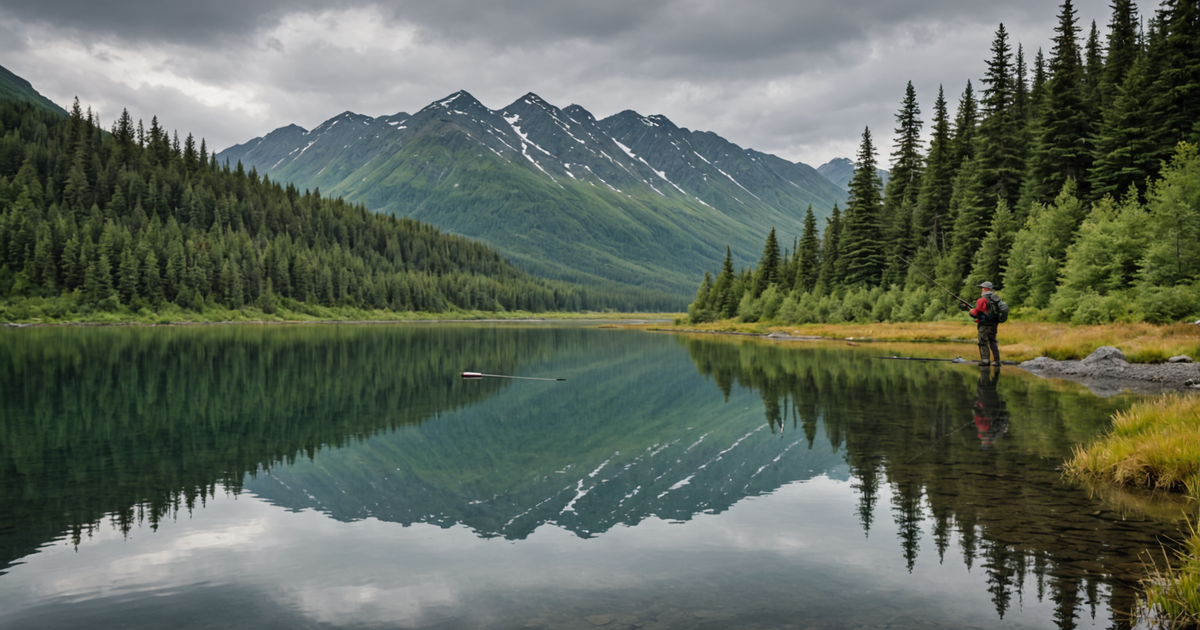
The Susitna River Basin is another prime location for targeting trophy-sized pike. The river’s diverse ecosystem supports a healthy pike population, making it a popular choice for guided fishing trips. For those interested in a guided experience, consider booking a guided fishing trip for a chance to catch a truly remarkable fish.
Techniques and Tactics for Pike Fishing
Pike fishing in Alaska requires a combination of skill, knowledge, and the right equipment. Here are some essential tips for success:
- Gear Selection: Use a medium to heavy action rod with a strong reel. Braided line is recommended for its strength and sensitivity.
- Lure Choices: Pike are aggressive predators and respond well to flashy lures. Consider using spoons, spinnerbaits, and jerkbaits to mimic the movement of prey fish.
- Casting Techniques: Cast near weed beds, submerged structures, and drop-offs where pike are likely to ambush prey.
- Fly Fishing: For those interested in fly fishing, large streamers and surface flies can be highly effective. Check out some fly fishing techniques for more insights.
Planning Your Alaskan Pike Fishing Trip
When planning a fishing trip to Alaska, consider both the timing and logistics. The best months for pike fishing are typically from May to September, when the waters are most accessible and the fish are active.
- Permits and Regulations: Ensure you have the necessary fishing permits and are familiar with local regulations.
- Guided vs. DIY: Decide whether you prefer a guided trip or a DIY adventure. Guided trips offer local expertise and equipment, while DIY trips provide flexibility and independence. For more on this decision, read about self-guided fishing in Alaska.
- Accommodation: Alaska offers a range of lodging options, from rustic cabins to luxury lodges. Plan your stay based on your desired fishing locations and budget.
Conclusion
Alaska’s vast and varied landscapes offer an unparalleled fishing experience, with the Alaskan pike as one of its most formidable opponents. Whether you are a seasoned angler or a newcomer to the sport, the challenge and excitement of pike fishing in Alaska are unmatched. By carefully planning your trip and employing effective techniques, you can look forward to landing a trophy fish and creating unforgettable memories in the Alaskan wilderness.
FAQ
What is the best time of year to fish for Alaskan pike?
The prime fishing season for Alaskan pike is from May to September when the waters are accessible, and the fish are most active.
Do I need a fishing licence to fish for pike in Alaska?
Yes, a fishing licence is required. You can obtain one through the Alaska Department of Fish and Game.
Are there any size or bag limits for pike fishing?
Yes, there are specific regulations regarding size and bag limits, which vary by region. It is important to check these limits before your trip.
Can I fish for pike year-round in Alaska?
While pike can be fished year-round, the best conditions are during the summer months. Winter ice fishing is also popular in some areas. For more on ice fishing, visit our ice fishing guide.
What equipment is recommended for pike fishing?
A medium to heavy action rod, strong reel, and braided line are recommended. Lures such as spoons and spinnerbaits are effective for attracting pike.
Are guided pike fishing trips available in Alaska?
Yes, there are numerous guided fishing trips available that offer local expertise and the opportunity to catch trophy-sized pike.
What other fish species can I target in Alaska?
Alaska is home to a variety of fish species, including salmon, trout, and grayling. For more information, explore our articles on Alaskan fish species.
How do I prepare for a fishing trip in Alaska?
Planning involves obtaining the necessary permits, deciding on guided versus DIY trips, and arranging suitable accommodation. For detailed planning tips, visit Travel Alaska’s fishing guide.