
Alaska Pike Fishing | Plan Your Trip. For more detail, see official guidance.
Planning an Alaska pike fishing trip is an exciting venture into the wild, where anglers can experience the thrill of catching one of the most aggressive freshwater fish. Alaska’s vast and remote waters provide an ideal setting for northern pike fishing, offering both the seasoned and novice angler an unforgettable experience. This guide will help you plan your trip, covering everything from the best seasons and locations to guided options and fishing equipment. For more detail, see further information.
Seasons and Climate for Alaska Pike Fishing
In Alaska, the prime season for pike fishing spans from late spring to early autumn, with the months of May through September being particularly favourable. During this period, the weather is generally more predictable, and the pike are most active. Late spring marks the beginning of the post-spawning period when pike are hungry and aggressive, making it an excellent time to catch them. For more detail, see detailed advice.
The summer months offer warmer temperatures and longer daylight hours, providing ample time for fishing. However, weather conditions can change rapidly, so it’s essential to be prepared for anything, from sunny skies to sudden rain showers. For detailed weather forecasts, consult NOAA before your trip. For more detail, see planning resources.
Top Locations for Pike Fishing in Alaska
Alaska boasts numerous locations renowned for pike fishing. Here are a few top spots:. For more detail, see local insights.
The Minto Flats
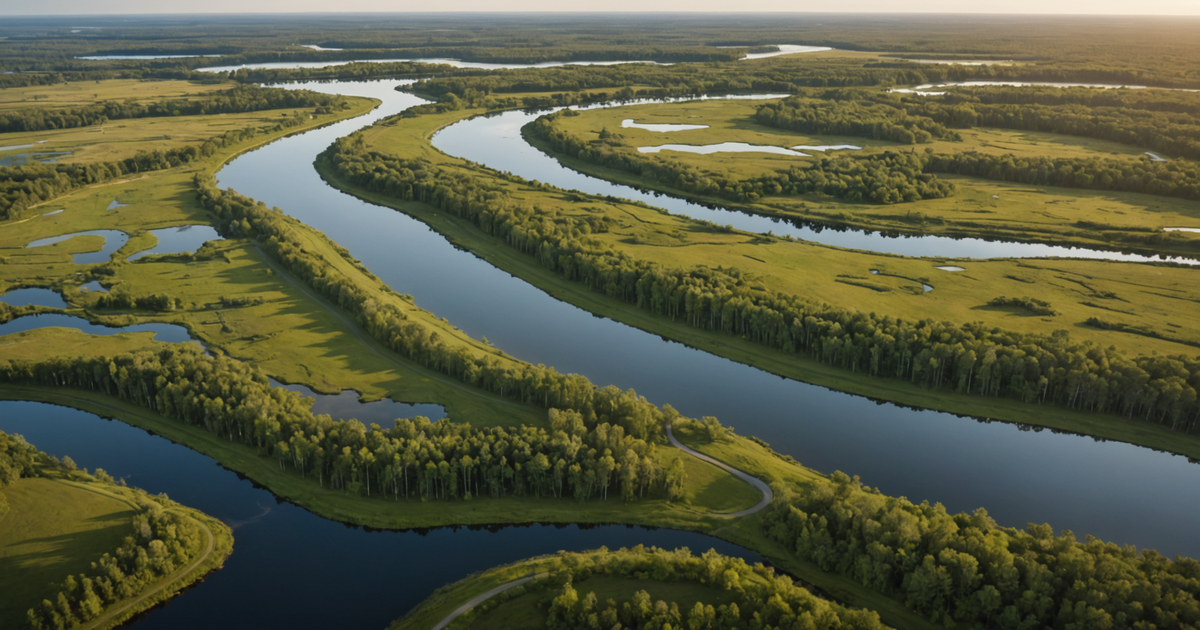
Located in the interior region of Alaska, the Minto Flats is a vast wetland area known for its excellent pike fishing opportunities. The interconnected waterways and abundant aquatic vegetation make it a prime habitat for northern pike.
Innoko River
The Innoko River, part of the Yukon River drainage, offers a remote fishing experience with high densities of pike. The river’s slow-moving waters and plentiful backwaters make it an ideal spot for anglers seeking solitude and large catches.
Susitna River
The Susitna River system, including its tributaries like the Yentna River, provides diverse fishing opportunities. Known for its scenic beauty, this area is accessible from Anchorage and offers both self-guided and guided fishing options.
Guided Fishing Tours
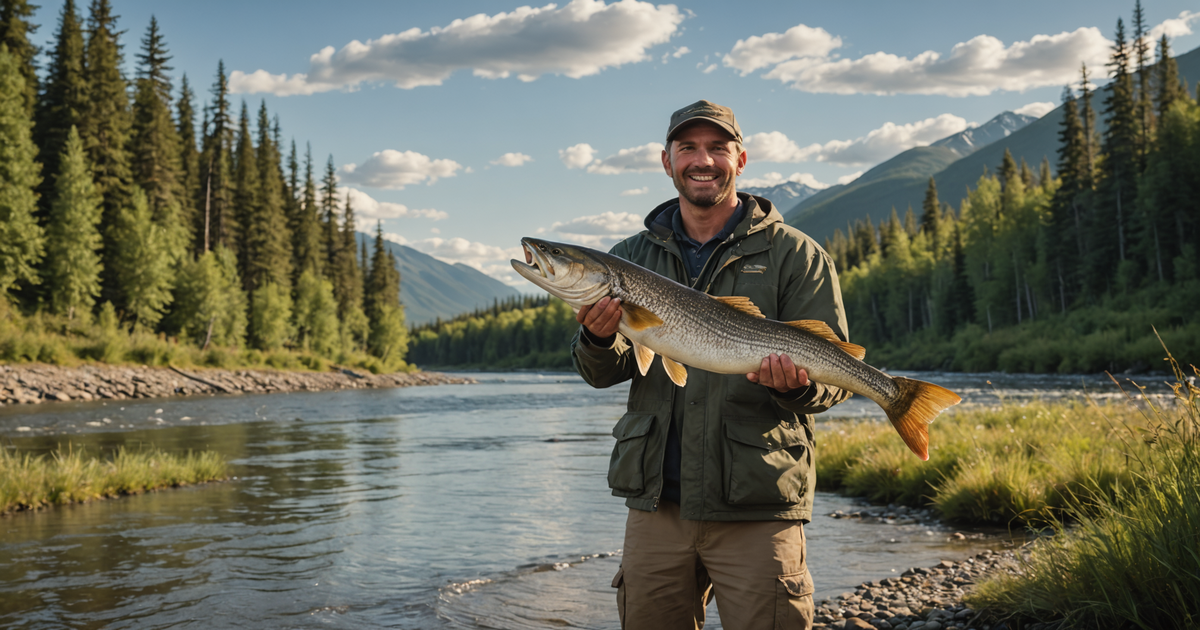
Opting for a guided fishing tour can enhance your Alaska pike fishing experience, especially for those new to the region. Experienced guides offer valuable insights into the best fishing spots, techniques, and local regulations. Explore a variety of guided fishing tours that cater to different skill levels and preferences.
Guides often provide necessary equipment and transportation, allowing you to focus solely on the fishing. For those interested in exploring other fishing opportunities, the Kasilof River fishing guide offers a comprehensive look at another popular fishing destination in Alaska.
Essential Equipment and Techniques
When heading out for pike fishing in Alaska, having the right equipment is crucial. The following essentials will help ensure a successful outing:
Fishing Rods and Reels
A medium to heavy-action rod paired with a strong reel is recommended for handling the size and strength of northern pike. Consider browsing through the best fishing gear for more detailed recommendations.
Lures and Baits
Successful pike fishing often depends on using the right lures. Popular choices include spoons, spinnerbaits, and soft plastics. For those interested in lures that consistently land big fish, check out the best plug fishing lures.
Techniques
Pike are ambush predators, so casting near weed beds, submerged logs, or other structures can increase your chances of success. Experiment with different retrieval speeds and patterns to entice the pike to strike.
Regulations and Licenses
Before embarking on your fishing adventure, it’s important to familiarise yourself with Alaska’s fishing regulations. These regulations help maintain healthy fish populations and ensure sustainable fishing practices. Visit the Alaska Department of Fish and Game for comprehensive information on licenses, permits, and specific regulations for different regions.
Conclusion
Alaska pike fishing offers an exhilarating experience in one of the world’s most pristine wilderness areas. Whether you choose to explore the remote tributaries of the Innoko River or the accessible waters of the Susitna River, the adventure promises memorable encounters with northern pike. Equip yourself with the right gear, consider guided tours for added convenience, and always adhere to local fishing regulations to ensure a successful and responsible fishing trip.
FAQ
What is the best time of year for Alaska pike fishing?
The best time for pike fishing in Alaska is from May through September, when the weather is favourable, and the pike are most active.
Do I need a fishing license for pike fishing in Alaska?
Yes, a fishing license is required for pike fishing in Alaska. Licenses can be obtained through the Alaska Department of Fish and Game.
Are there guided pike fishing tours available in Alaska?
Yes, there are numerous guided fishing tours available that offer expert guidance, equipment, and access to prime fishing locations.
What equipment do I need for pike fishing?
Essential equipment includes a medium to heavy-action rod, a strong reel, and a selection of effective lures such as spoons and spinnerbaits. For more insights, explore our fishing gear recommendations.
Where is the best location for pike fishing in Alaska?
Top locations include the Minto Flats, Innoko River, and Susitna River, each offering unique fishing experiences in stunning natural settings.
Can I fish for other species while pike fishing in Alaska?
Yes, Alaska offers diverse fishing opportunities. For those interested in exploring other species, the trout and grayling fishing guide can be a valuable resource.
What are the local fishing regulations I need to be aware of?
Regulations vary by region. It’s crucial to review the Alaska fishing regulations before your trip to ensure compliance with local laws.
How can I prepare for changing weather conditions while fishing in Alaska?
Being prepared for rapid weather changes is essential. Layered clothing, waterproof gear, and regular weather updates from NOAA will help you stay comfortable and safe.