
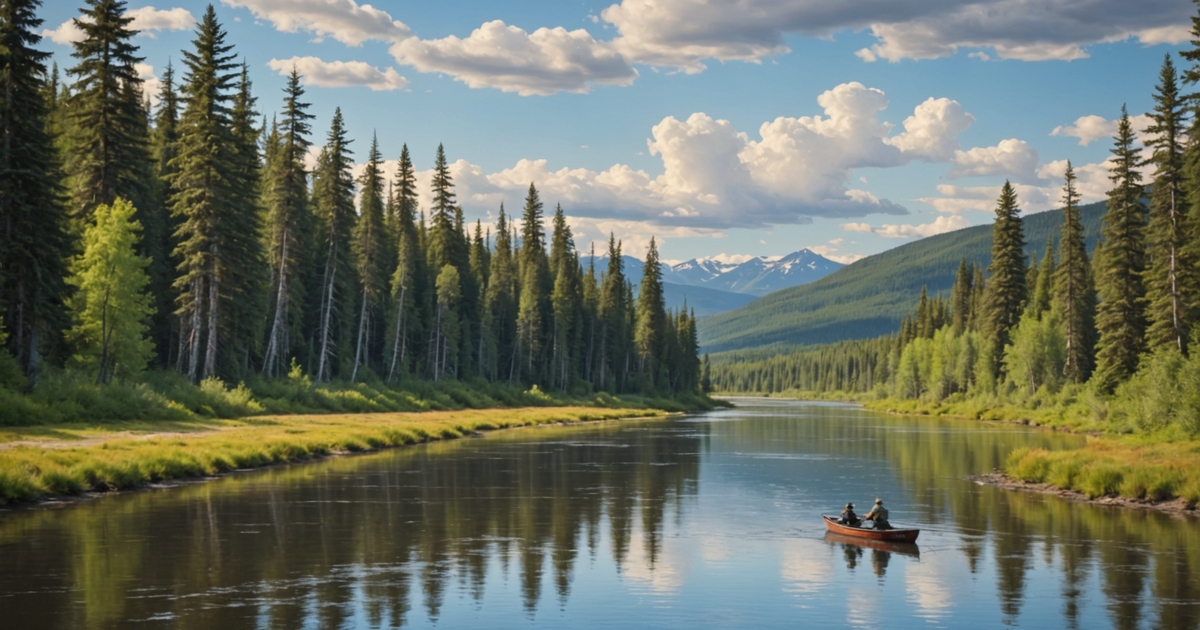
Alaska Grayling Fishing | Guided Trips. For more detail, see official guidance.
Introduction
Alaska, a land renowned for its pristine wilderness and abundant wildlife, offers some of the best fishing experiences in the world. Among the many species that lure anglers to this northern paradise, the Arctic grayling stands out for its beauty, fight, and the unique environments it inhabits. In this article, we delve into the captivating world of grayling fishing in Alaska, exploring guided trips that promise an unforgettable adventure for both seasoned anglers and newcomers alike. For more detail, see further information.
Understanding the Arctic Grayling
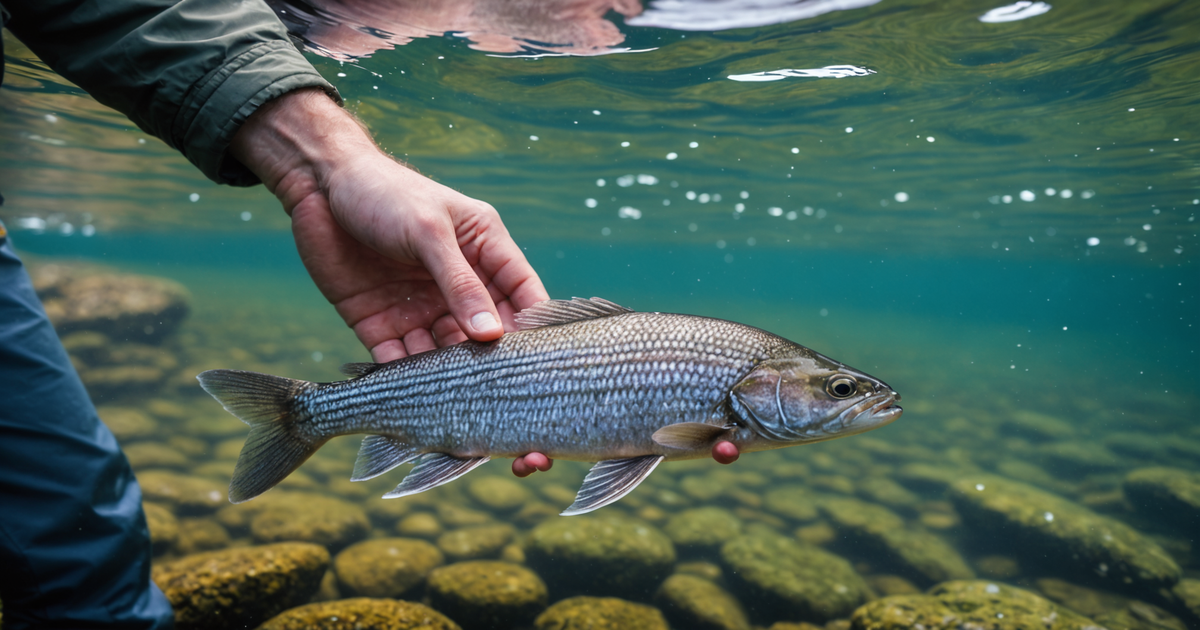
The Arctic grayling (Thymallus arcticus) is a freshwater fish known for its striking appearance, characterised by its sail-like dorsal fin and iridescent colours. Native to the cold waters of Alaska, this species thrives in clear, unpolluted rivers and lakes, making it a symbol of the state’s untouched natural beauty. Their habitats are often remote, providing anglers with an exclusive and serene fishing experience. For more detail, see detailed advice.
The Best Time and Places to Catch Grayling in Alaska. For more detail, see planning resources.
Timing is crucial when planning a fishing trip to Alaska. For grayling, the prime fishing season typically ranges from late spring to early autumn. During these months, the fish are more active and accessible in the rivers and streams. One of the most renowned locations for grayling fishing is the Chena River, where anglers can enjoy both the thrill of the catch and the stunning surrounding landscapes. For more detail, see local insights.
For detailed planning of your fishing trip and understanding the regulations, refer to the Alaska Department of Fish and Game which provides comprehensive guides and updates on fishing regulations in Alaska.
Guided Fishing Trips in Alaska
Opting for a guided fishing trip not only enhances your chances of a successful catch but also enriches your overall experience. Expert guides offer insights into local waters, provide necessary equipment, and ensure adherence to all fishing regulations, making your adventure both safe and rewarding.
Benefits of Choosing Guided Trips
- Expert Knowledge: Guides bring years of local knowledge, understanding the best spots, techniques, and times to fish for grayling.
- Safety: Navigating Alaskan waters can be challenging. Guides ensure your safety with their expertise in handling local conditions.
- Convenience: Most guided trips include necessary gear and transportation, allowing you to focus solely on the fishing experience.
For those interested in exploring more about Alaska’s fishing tours, visit the page on all guided fishing tours.
Popular Guided Trip Destinations
Alaska offers a plethora of guided fishing destinations, each with its unique charm. The Upper Chena River is a favourite among anglers for its high grayling population and scenic beauty. Meanwhile, the Tangle Lakes near the Denali Highway provide a serene and picturesque setting for a day of fishing. These areas are not only rich with fish but also offer breathtaking views and an opportunity to connect with nature.
Essential Gear for Grayling Fishing
When embarking on a grayling fishing trip, having the right gear is crucial. Fly fishing is the most popular method, with lightweight rods and small flies being the preferred choice. Consider packing a 4-5 weight rod, floating line, and a selection of dry flies. Grayling are known for their willingness to rise to the surface for a well-presented fly, making them an exciting target for fly anglers.
For more detailed advice on fishing gear, check out our fishing equipment category.
Environmental Considerations and Conservation
Fishing in Alaska is not just about the catch; it’s about preserving the pristine environments that make such adventures possible. Practising catch and release is highly encouraged to maintain healthy fish populations. Additionally, following the principles of Leave No Trace ensures that these natural habitats remain unspoiled for future generations of anglers.
Conclusion
Alaska’s grayling fishing offers an unparalleled experience for those seeking adventure in the great outdoors. Guided trips provide the perfect blend of excitement, education, and respect for nature, ensuring that your time in Alaska is both productive and memorable. Whether you’re a seasoned angler or a curious novice, the opportunity to fish in Alaska’s pristine waters is one not to be missed.
For those eager to explore more fishing opportunities, consider checking out the best time to catch halibut in Alaska or the guided salmon fishing in Alaska.
FAQ
1. What is the best time to fish for grayling in Alaska?
The prime time for grayling fishing in Alaska is from late spring to early autumn when the fish are most active.
2. Do I need a fishing licence to fish for grayling in Alaska?
Yes, a valid Alaska fishing licence is required. You can obtain one through the Alaska Department of Fish and Game.
3. Are there any specific regulations for grayling fishing?
Yes, regulations can vary by location and time of year, so it’s important to check the latest rules on the Alaska Department of Fish and Game website.
4. What kind of gear is recommended for grayling fishing?
A lightweight fly fishing rod (4-5 weight), floating line, and a selection of dry flies are recommended for grayling fishing.
5. Can I book a guided fishing trip online?
Yes, many service providers offer online booking for guided fishing trips. Explore options on websites like Alaska Adventure Guides.
6. Why should I choose a guided fishing trip?
Guided trips offer expert knowledge, safety, and convenience, enhancing your overall fishing experience.
7. Are guided trips suitable for beginners?
Absolutely, guided trips are ideal for beginners as they provide professional guidance, equipment, and a structured experience.