
Introduction
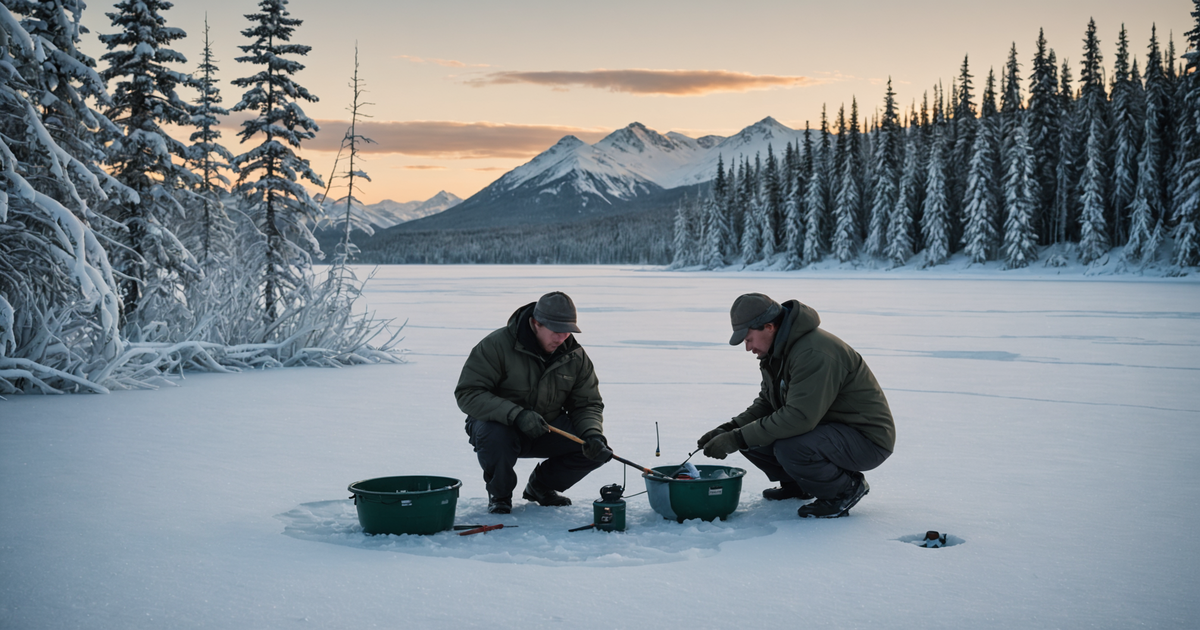
Ice fishing for pike in Alaska is a unique and exhilarating experience, offering anglers the chance to brave the frozen wilderness in search of one of North America’s fiercest predators. With vast icy landscapes and rich fishing grounds, Alaska is a prime destination for ice fishing enthusiasts looking to test their skills and patience against the northern pike. This guide will provide you with valuable insights on techniques, safety measures, and the benefits of booking a guided tour for an unforgettable ice fishing adventure. For more detail, see official guidance.
The Allure of Ice Fishing for Pike in Alaska
Understanding the Pike. For more detail, see further information.
Northern pike, known for their aggressive nature and formidable size, are a prized catch among anglers. These fish are found in abundance across Alaska’s lakes and rivers, making them an ideal target for ice fishing. Pike are ambush predators, often lurking beneath the ice in weedbeds and shallow waters, waiting for unsuspecting prey. Their sharp teeth and powerful bodies make them a thrilling catch, challenging even seasoned fishermen. For more detail, see detailed advice.
Optimal Timing for Ice Fishing. For more detail, see planning resources.
The ice fishing season for pike in Alaska typically runs from November through April, with peak conditions occurring in mid-winter when the ice is at its thickest. Understanding the seasonal dynamics can significantly enhance your fishing success. To learn more about the best times for other types of fishing in Alaska, check out our guide on when to halibut fish in Alaska for trophies. For more detail, see local insights.
Essential Ice Fishing Techniques
Ice fishing demands a unique set of skills distinct from traditional fishing. The following techniques are essential for a successful ice fishing trip:
- Drilling Holes: Use an auger to cut holes in the ice. The diameter should be large enough for the pike but not too large to compromise safety.
- Bait Selection: Live bait such as smelt or herring can be effective, while artificial lures mimicking prey fish work well for attracting pike.
- Setting Tip-Ups: These devices allow you to fish multiple holes simultaneously, increasing your chances of a catch.
- Jigging: This involves vertically moving the lure to mimic the movements of prey, enticing pike to strike.
Safety First: Ice Fishing Precautions
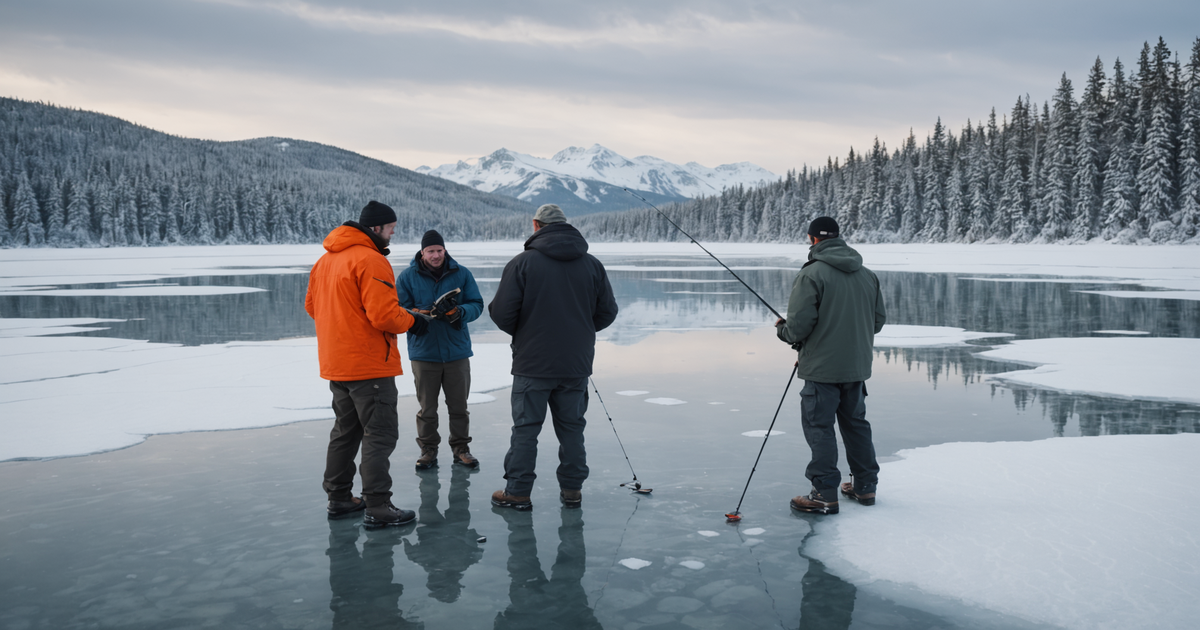
Safety is paramount when ice fishing in Alaska. The extreme cold and frozen conditions require careful preparation:
- Ice Thickness: Ensure the ice is at least 4 inches thick for walking and 8–12 inches for vehicles.
- Weather Awareness: Check local weather forecasts through reliable sources like NOAA to avoid storms or sudden temperature drops.
- Gear and Clothing: Dress in layers, wear waterproof boots, and carry safety equipment such as ice picks and ropes.
Guided Ice Fishing Tours: Why Choose a Guide?
Opting for a guided ice fishing tour in Alaska can significantly enhance your experience. Guides bring local expertise, ensuring you fish in the most productive areas while maintaining safety and adherence to regulations. They provide all necessary equipment, reducing the logistics and stress of planning. For more on guided fishing adventures, explore our article on guided salmon fishing in Alaska.
Environmental Responsibility
Alaska’s pristine wilderness requires conservation-minded anglers. Practicing catch and release and adhering to regulations is vital. For more on sustainable practices, visit our section on sustainable fishing.
Conclusion
Ice fishing for pike in Alaska is not just about the catch; it’s an adventure into the heart of the Alaskan wilderness. With the right preparation, techniques, and respect for the environment, it promises an unforgettable experience. Whether you’re an experienced angler or a curious beginner, the thrill of landing a northern pike under the ice is unparalleled.
FAQ
What is the best time for ice fishing pike in Alaska?
The best time for ice fishing pike in Alaska is typically from November to April, with peak conditions occurring in mid-winter when the ice is thickest.
How thick should the ice be for safe fishing?
For safe ice fishing, the ice should be at least 4 inches thick for walking and 8–12 inches for vehicles. Always verify ice thickness before venturing out.
What gear do I need for ice fishing?
Essential gear includes an ice auger, tip-ups or jigging rods, appropriate bait, a sled for transportation, and safety equipment like ice picks and ropes.
Are guided tours beneficial for ice fishing in Alaska?
Yes, guided tours offer local expertise, equipment, and increased safety, making them highly recommended for a successful and stress-free experience.
Can I fish for other species while ice fishing in Alaska?
Yes, Alaska offers diverse fishing opportunities. While targeting pike, you may also encounter other species. Learn more about trout and grayling fishing in Alaska.
How can I ensure environmentally responsible fishing?
Practice catch and release, follow local regulations, and choose guided tours that emphasize sustainable practices. For more information, visit our sustainable fishing practices page.
Where can I find more information about fishing regulations in Alaska?
Visit the Alaska Department of Fish and Game for comprehensive information on fishing regulations in the state.
What should I wear for ice fishing in Alaska?
Dress in layers with waterproof and insulated clothing, including gloves, hats, and boots. This will help you stay warm and dry in cold conditions.