
Introduction
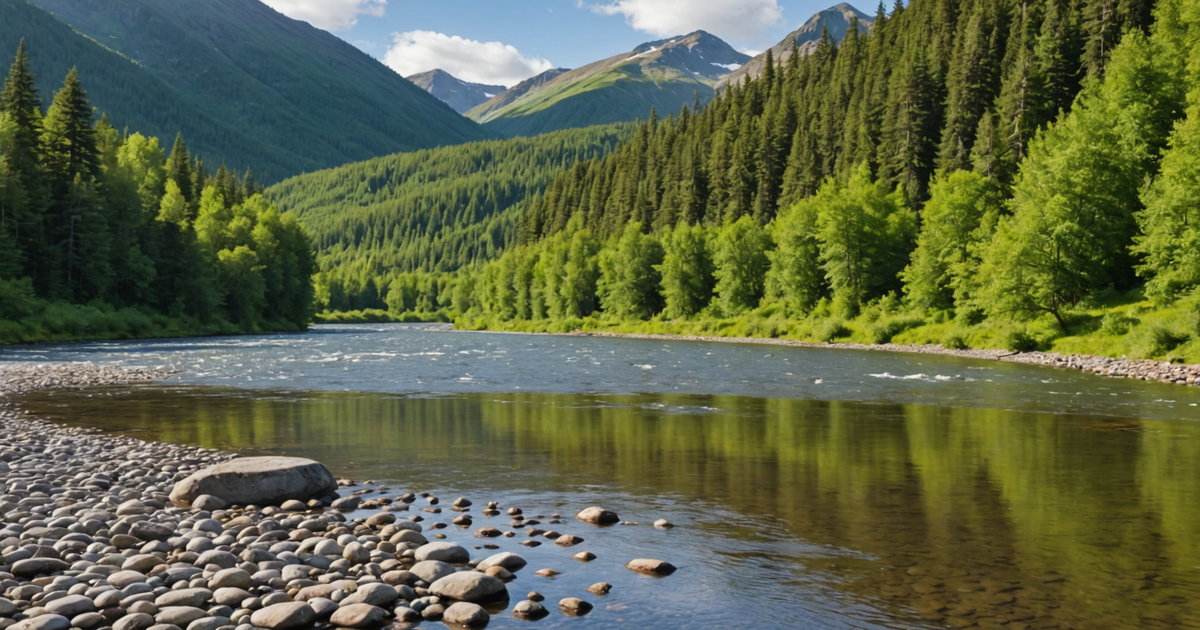
Fly fishing for northern pike in Alaska is an exhilarating experience that offers anglers the chance to catch one of the most aggressive freshwater predators in the world. Alaska, renowned for its breathtaking landscapes and bountiful wildlife, is the ultimate destination for fly fishing enthusiasts. Whether you are a seasoned angler or a novice looking to try your hand at this thrilling sport, Alaska provides unparalleled opportunities to connect with nature and test your skills against formidable fish. For more detail, see official guidance.
The Allure of Northern Pike
Northern pike are known for their ferocity and impressive size, making them a sought-after target for fly fishers. These toothy predators can grow up to 40 inches or more, and their powerful strikes offer an adrenaline-pumping challenge. In Alaska, the pristine rivers and lakes provide the perfect habitat for pike, ensuring that anglers have ample opportunities to land a trophy fish. For more detail, see further information.
Pike are ambush predators, often lurking in weed beds or submerged structures, waiting for unsuspecting prey. This behaviour makes fly fishing an ideal method for targeting them, as it allows for precise casting into these strategic locations. The visual appeal of fly fishing, combined with the explosive action of a pike strike, creates an unforgettable fishing experience. For more detail, see detailed advice.
Best Locations for Pike Fly Fishing in Alaska
Alaska is vast, and knowing where to go for the best pike fishing can make all the difference. The state’s interior regions, with their abundant lakes and slow-moving rivers, are prime hotspots for pike. For more detail, see planning resources.
Minto Flats. For more detail, see local insights.
Minto Flats, located in the interior of Alaska, is famous for its expansive wetlands and abundant pike population. The area is a haven for anglers seeking solitude and the thrill of catching large pike. The shallow waters and marshy landscape provide ideal conditions for fly fishing, allowing anglers to stalk their prey in a serene setting.
Yukon Flats
Another exceptional spot is Yukon Flats, which is renowned for its diverse fishery. The region offers a mix of rivers, lakes, and ponds teeming with northern pike. Fishing here provides an opportunity to explore the wilderness while enjoying the challenge of catching pike amidst stunning scenery.
Innoko River
The Innoko River is a lesser-known gem for pike fishing. Its remote location ensures a pristine environment and minimal fishing pressure. Anglers venturing to this area can expect to encounter healthy populations of pike, with the added bonus of breathtaking Alaskan landscapes.
Essential Gear for Pike Fly Fishing
When embarking on a fly fishing adventure for northern pike in Alaska, having the right gear is crucial. Here are some essentials to consider:
Fly Rods and Reels
A sturdy fly rod, typically in the 9 to 10 weight range, is recommended for pike fishing. This ensures that you have the power to cast large flies and handle the strength of these robust fish. Pair your rod with a reliable reel equipped with a strong drag system to manage the pike’s powerful runs.
Flies
Pike are aggressive predators and are often attracted to large, flashy flies. Patterns such as streamers, poppers, and deceivers in vibrant colours are effective in enticing strikes. It’s advisable to have a variety of flies to match the varying conditions you might encounter.
Leaders and Tippets
Given the pike’s sharp teeth, using a strong leader is essential. Many anglers opt for wire leaders to prevent bite-offs. A heavy monofilament or fluorocarbon tippet is also recommended to withstand the pike’s aggressive head shakes.
Hiring Professional Guides
For those new to fly fishing or unfamiliar with Alaska’s waterways, hiring a professional guide can significantly enhance your experience. Guides offer invaluable local knowledge and expertise, increasing your chances of success. They can provide insight into the best fishing spots, ideal fly patterns, and effective techniques.
Sustainable Practices
When fishing in Alaska, it’s crucial to adhere to sustainable practices. Responsible angling ensures that future generations can enjoy the same opportunities. This includes practising catch and release, respecting local regulations, and minimising environmental impact.
Conclusion
Fly fishing for northern pike in Alaska is not just about the catch; it’s an opportunity to immerse yourself in the stunning natural beauty of the region. From the thrill of the fight to the serenity of the surroundings, Alaska offers a unique and rewarding experience for anglers of all levels. Whether you’re navigating the tranquil waters of Minto Flats or exploring the remote Innoko River, the adventure and allure of pike fishing in Alaska are unparalleled.
FAQ
What is the best time of year for fly fishing northern pike in Alaska?
The prime time for pike fishing in Alaska is during the summer months, from June to August, when the waters are more accessible and the pike are most active.
Do I need a fishing licence to fish for pike in Alaska?
Yes, all anglers are required to obtain a valid fishing licence. You can find more information on licensing and regulations at the Alaska Department of Fish and Game.
What types of flies work best for northern pike?
Large, colourful streamers and poppers are particularly effective for attracting northern pike. Patterns that mimic baitfish or frogs are popular choices.
Can beginners try fly fishing for northern pike?
Absolutely! While pike fishing can be challenging, beginners are welcome. Hiring a professional guide can provide the necessary support and instruction for a successful outing.
Are there other fishing opportunities in Alaska?
Yes, Alaska is renowned for its diverse fishing opportunities, including salmon and trout.
How do I get to the best fishing spots in Alaska?
Access to remote locations often requires a combination of travel modes, including planes, boats, and hiking. Planning your fishing trip ahead of time and consulting with local outfitters can help you reach the best spots.
What should I pack for a fly fishing trip in Alaska?
In addition to fishing gear, pack appropriate clothing for variable weather, insect repellent, and safety equipment. Always prepare for the wilderness by bringing navigation tools and a first-aid kit.